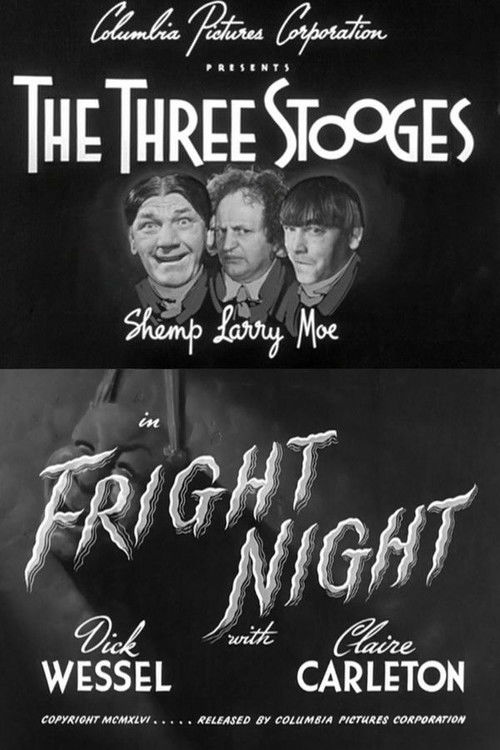
Fright Night
1947
No user ratings available yet
Representation score: 0.4 out of 10
Representation Score
Minimal
1934
NRDirector
Lou Breslow
Runtime
17 minutes
Average Rating
No ratings yetNew Showbiz Analysis
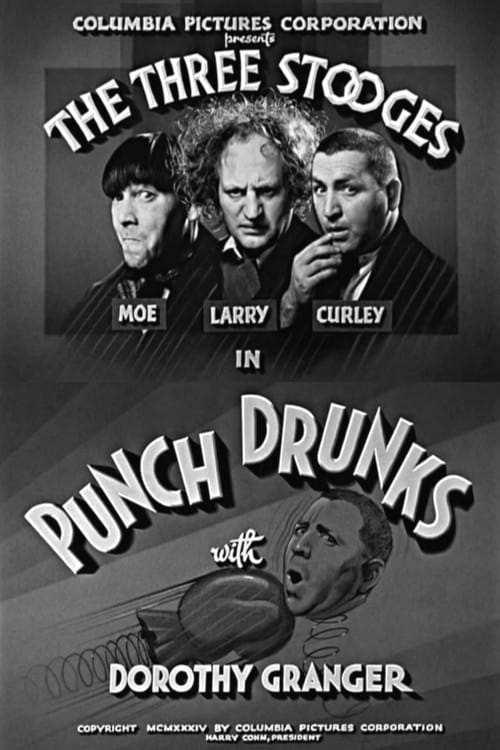
Punch Drunks exemplifies 1930s slapstick comedy, emphasizing physical gags and broad archetypes over character development. The narrative centers on a male-dominated comedic structure focused on the camaraderie and competition of the Three Stooges. The film does not intentionally address diverse representation or disrupt social hierarchies. Instead, it adheres to a conventional framework typical of mainstream studio productions from its era, offering limited exploration of nuanced social issues. Ultimately, the work serves as a foundational piece of vaudevillian comedy, emphasizing luck and physical prowess over more complex social themes.
Category Breakdown
There are no LGBTQ+ characters or non-cisgender identities in the film. It focuses on a traditional comedic trio known for physical slapstick.
The story is primarily male-focused, centered on the interactions between Moe, Larry, and Curly. Women are mostly absent from the main plot and have little influence over events.
The cast is uniform, reflecting the predominantly white comedic norms of 1930s American cinema. There is no evidence of racial diversity or non-white majority casting.
The storyline follows a straightforward path of success through physical strength. It upholds conventional social structures without engaging in cultural or anti-Western critiques.
The film uses slapstick humor that often involves physical clumsiness for laughs. This type of comedy frequently employs buffoonery that can mirror clichés related to physical capability.
Present on Screen
Limited or Absent
Official Synopsis
Moe discovers Curley's unknown boxing talent when he knocks out the Champ at a restaurant when Larry plays "Pop Goes the Weasal" on the violin. Moe becomes Curly's manager, and they win every fight, with the help of Larry. At the championship game, though, Larry's violin breaks. Curly is getting beat down bad when Larry makes his unexpected entrance and helps Curly prevail.
1947
1926
1939
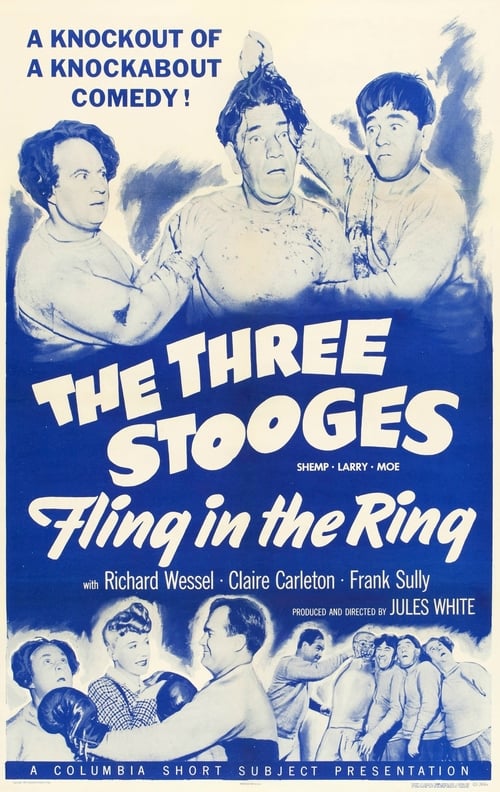
1955
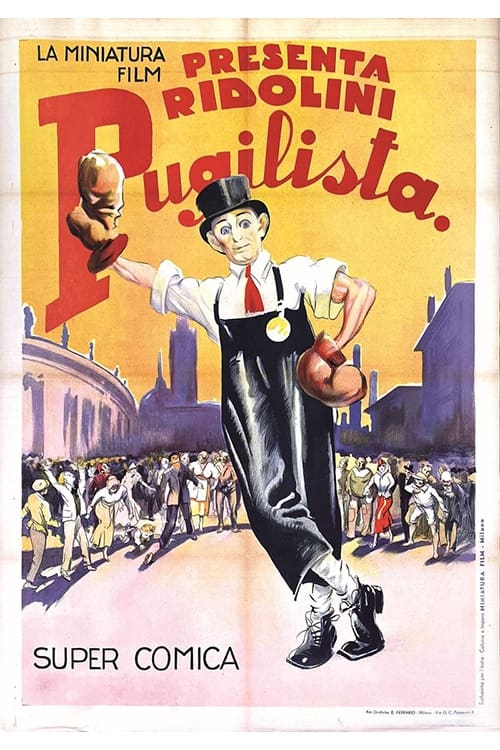
1923
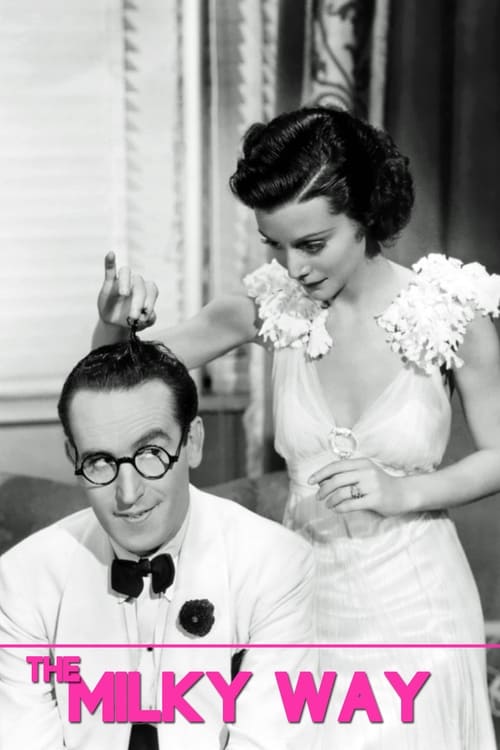
1936
1937
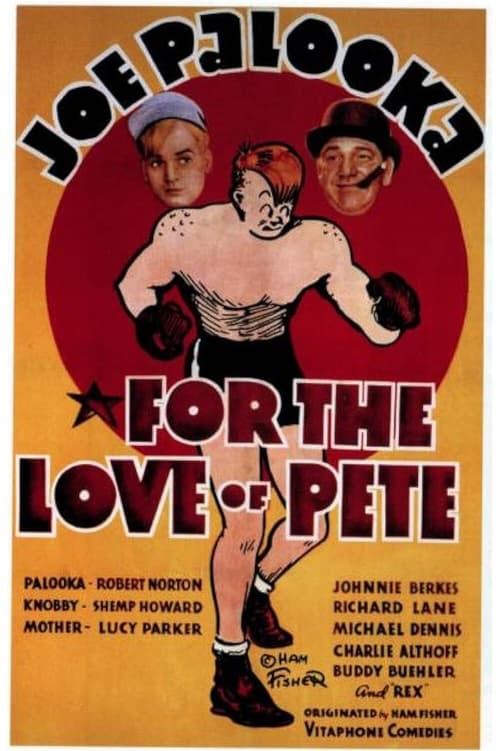
1936
No reviews yet. Be the first to share your thoughts on this movie!
Use the rating form above to leave a star rating and optional review.