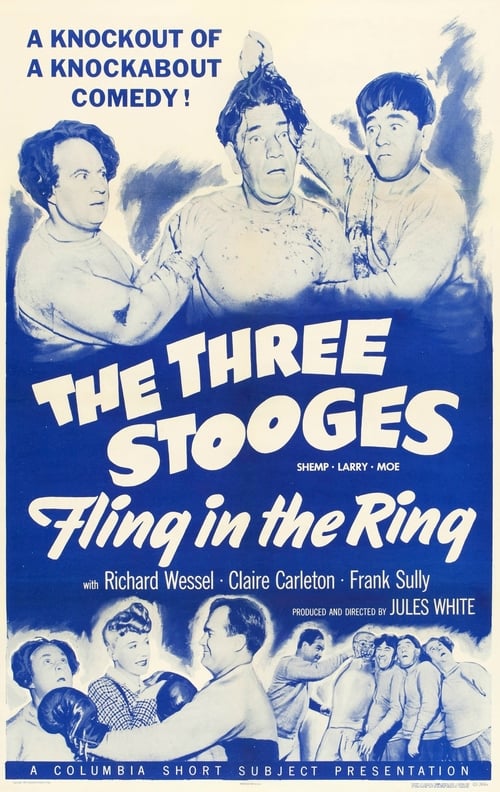
Fling in the Ring
1955
No user ratings available yet
Representation score: 0.5 out of 10
No Poster Available
Representation Score
Minimal
1937
ApprovedDirector
William Watson
Runtime
18 minutes
Average Rating
No ratings yetNew Showbiz Analysis
Hurray for Hooligan is a product of its era, prioritizing physical slapstick and standard comedic structures over social complexity. The narrative is almost exclusively male-focused, emphasizing the camaraderie and competition between Buster and Tom in the world of prizefighting. The film does not intentionally include diverse perspectives on race, gender, or LGBTQ+ identities. It adheres to the demographic norms of 1930s cinema, presenting a homogeneous environment. While the film uses chaos and the subversion of authority for laughs, it does not provide a structured critique of social institutions. It remains a traditional comedy focused on situational deception.
Category Breakdown
The film does not include any LGBTQ+ characters or stories that address non-traditional gender identities. It follows the social norms of the 1930s.
The story focuses on male protagonists and male-dominated settings such as boxing rings. There is no indication of women's ability to drive the story or challenges to gender hierarchies.
The setting seems homogeneous, focusing on comedic stereotypes without a diverse cast. It follows the typical demographic norms of 1930s American comedy.
Themes of deception and minor criminality are used for slapstick humor rather than a critique of societal issues. The film follows a traditional structure of situational comedy.
No characters are shown with visible or invisible disabilities. Physical comedy involves slapstick humor rather than the depiction of disability.
Present on Screen
Limited or Absent
Official Synopsis
Promoters Buster and Tom pick up a prizefighter with a knock-out punch but learn that he won't put up a fight unless he is mad, and the only thing that makes him mad is the sight of a bearded man. They arrange a fight with the world's champion and get great odds after the gamblers see their fighter's sparring partners slap him around unmercifully. The day of the fight arrives and Buster and Tom are full of confidence as they have hired a bearded man to set in the first row...but the man has shaved off his beard. But all is not lost as they steal a couple of toupees from ringside spectators and put them on as beards. Their fighter knocks out the champion, the referee, some policemen and himself before the mêlée is over.
1955
1926
1923
1947
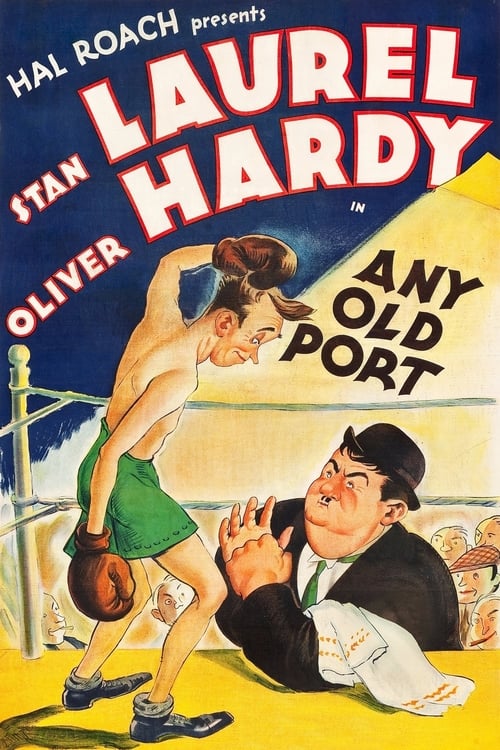
1932
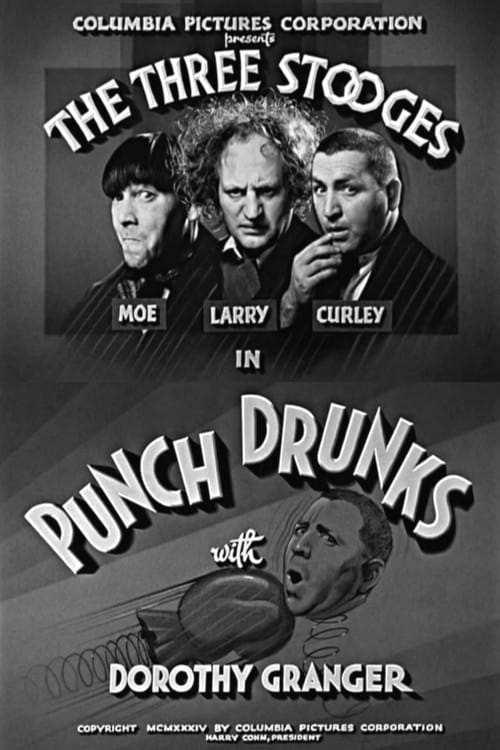
1934
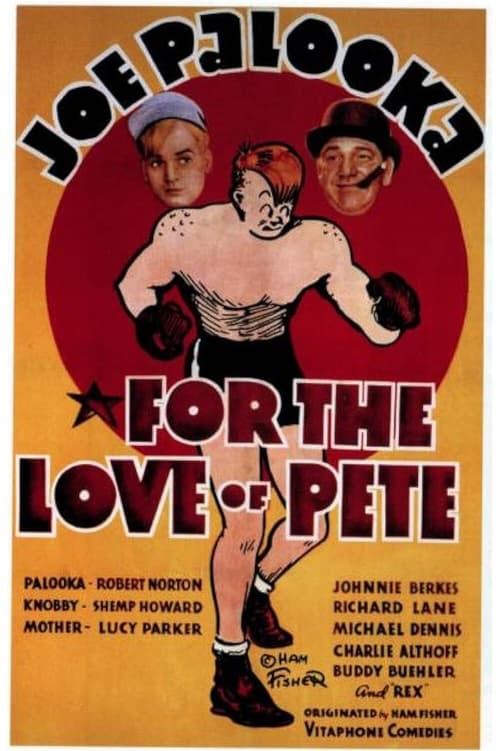
1936
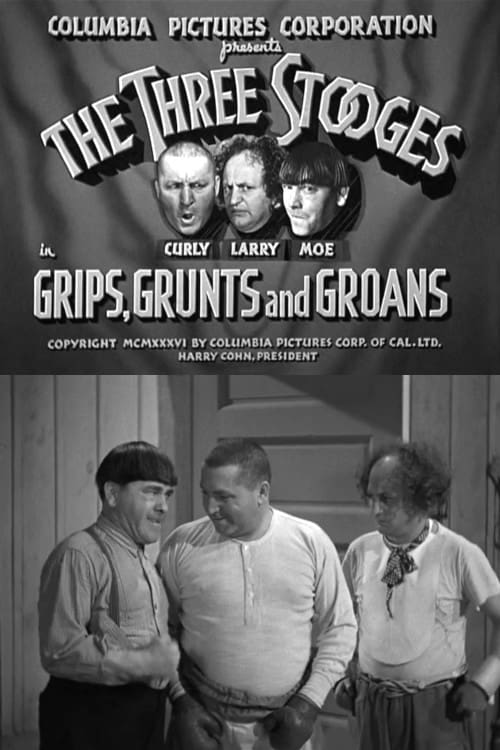
1937
No reviews yet. Be the first to share your thoughts on this movie!
Use the rating form above to leave a star rating and optional review.