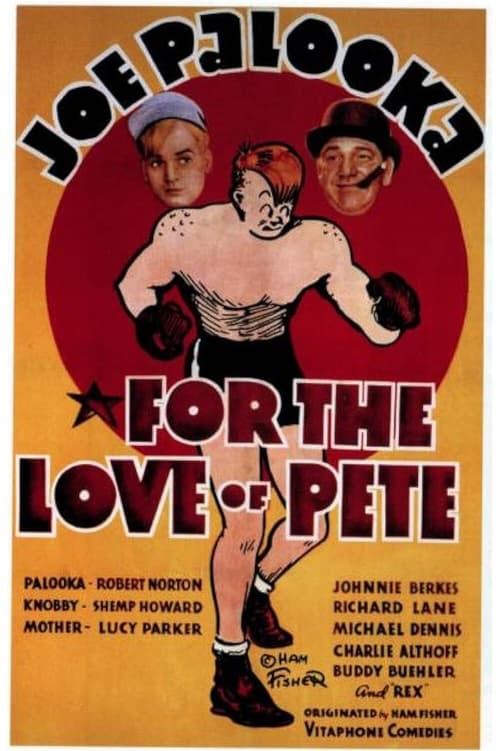
For the Love of Pete
1936
No user ratings available yet
Representation score: 0.9 out of 10
Representation Score
Minimal
1939
PassedDirector
Noel M. Smith
Runtime
17 minutes
Average Rating
No ratings yetNew Showbiz Analysis
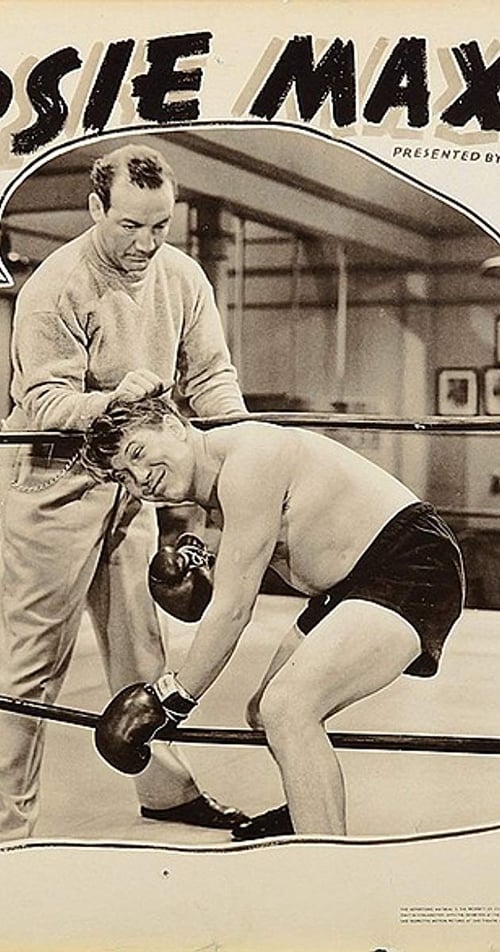
Slapsie Maxie's functions as a standard period piece, prioritizing physical slapstick and situational misunderstandings over character depth. While it offers a slight subversion of gender roles through a combative female lead, these dynamics serve comedic timing rather than meaningful ability to act. The film reinforces the social hierarchies of 1939 rather than challenging them. It lacks intentionality regarding multi-layered frameworks, focusing instead on the established vaudevillian clichés of the era. Ultimately, the work is a conventional comedic short that reflects the limited social and cinematic scope of its time, offering little in the way of diverse representation.
Category Breakdown
The film does not depict any LGBTQ+ identities. It stays within the traditional domestic settings of the 1930s.
The film uses a 'battle of the sexes' cliché to challenge traditional patriarchal depictions. It features a combative female lead and a henpecked male protagonist through slapstick comedy.
The film lacks significant racial diversity in its main cast. The narrative focuses on a setting that does not challenge homogeneous casting norms.
The story adheres to traditional comedic structures of the period. It avoids critiques of Western institutions or engagement with broader ideological or systemic themes.
There is no evidence of characters with visible or invisible disabilities being integrated into the narrative with significant roles.
Present on Screen
Limited or Absent
Official Synopsis
In this comedic short, when a waiter accidentally knocks out boxing champ Tiger Dorsey in Slapsie Maxie's restaurant, Maxie arranges a boxing match between the reluctant waiter and the champ.
1936
1926

1936

1923
1929

1934
1947
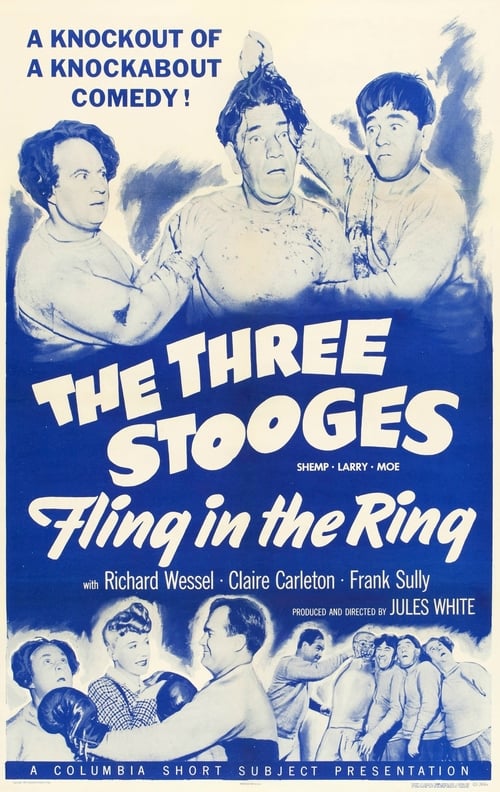
1955
No reviews yet. Be the first to share your thoughts on this movie!
Use the rating form above to leave a star rating and optional review.