Red Heart
2011
No user ratings available yet
Representation score: 3.4 out of 10
Representation Score
Fair
1975
Not RatedDirector
Jean-Pierre Dikongué-Pipa
Runtime
90 minutes
Average Rating
No ratings yetNew Showbiz Analysis
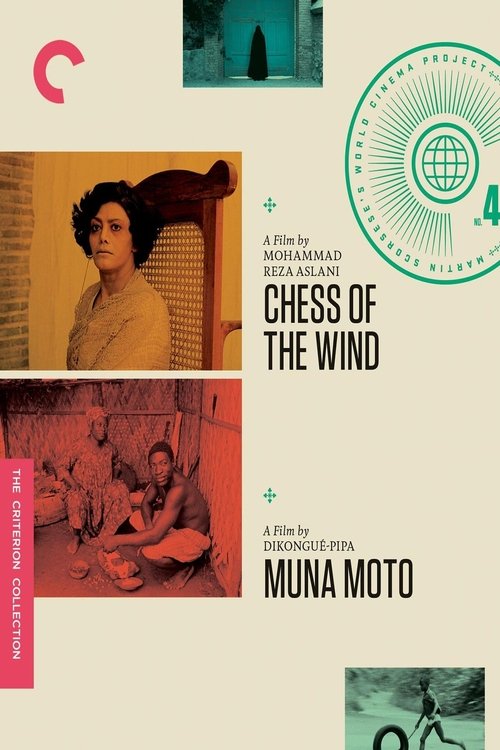
Muna Moto is a sophisticated piece of post-colonial cinema that prioritizes an African-centric perspective. It successfully deconstructs the intersection of gender, tradition, and the encroaching influences of Western modernity. The film's strength lies in its ability to challenge conventional romantic melodrama by focusing on systemic socioeconomic pressures. By highlighting the corruption of patriarchal figures and the commodification of women, the narrative offers a nuanced critique of social survival. While the film excels in cultural and racial authenticity, it remains strictly within traditional social frameworks, offering no representation for LGBTQ+ identities or disability.
Category Breakdown
The film focuses on romantic tensions within a traditional Cameroonian framework and does not include any queer narratives or non-cisgender identities.
The story centers on women's ability to act and the struggles they face within patriarchal structures. It explores the tension between communal expectations and individual autonomy regarding the dowry system.
This seminal work features an entirely Black Cameroonian cast. It avoids the Western gaze by presenting an authentic, non-Anglo-centric worldview centered on African identity.
The film provides a sharp post-colonial critique of how Western modernity impacts traditional social cohesion. It examines the friction between indigenous customs and external systemic pressures.
There are no prominent depictions of physical or neurodivergent disabilities driving the narrative arc.
Present on Screen
Limited or Absent
Official Synopsis
Ngando and Ndomé share an extremely perfect love. Yet, tradition demands a dowry for Ndomé’s hand that Ngando, an orphan, cannot afford. Forced to ask his uncle for assistance, Ngando finds himself at the mercy of his uncle’s lust and greed. How can Ngando and Ndomé find peace together? Their journey will be challenging and everyone will learn that not everything special can be saved.
2011
1973
1927
1965

1970
1965
1954

2015
No reviews yet. Be the first to share your thoughts on this movie!
Use the rating form above to leave a star rating and optional review.