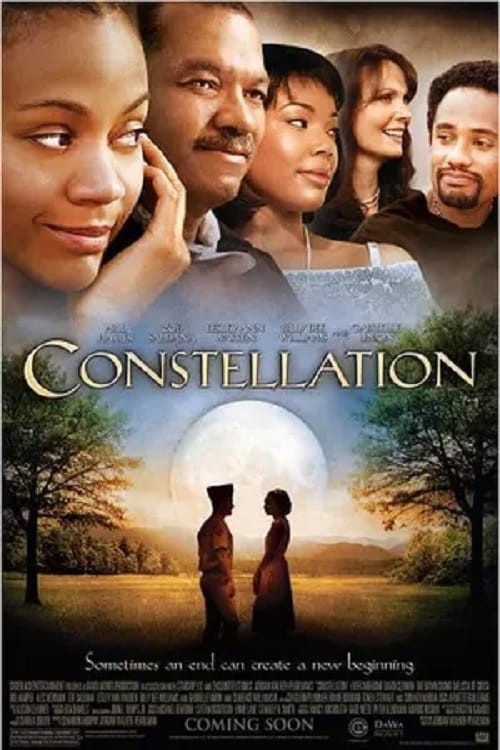
Constellation
2007
No user ratings available yet
Diversity score: 6.9 out of 10
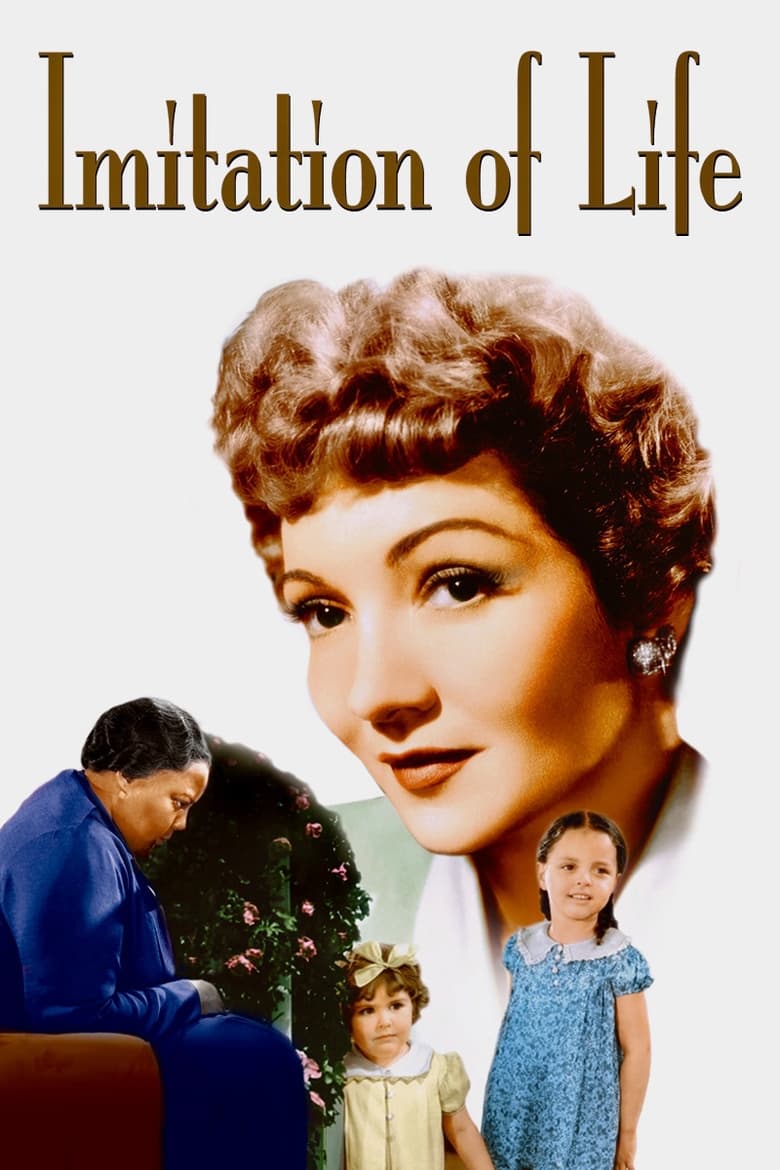
1934
ApprovedDirector
John M. Stahl
Runtime
111 minutes
Average Rating
No ratings yetSynopsis
A struggling widow and her daughter take in a black housekeeper and her fair-skinned daughter. The two women start a successful business but face familial, identity, and racial issues along the way.
Overall Score
Fair
Category Breakdown
LGBTQ+ Representation
The film contains no LGBTQ+ characters or narratives. Romantic arcs remain strictly within the traditional social structures of the early 20th century.
Gender Representation
The story prioritizes the agency and internal struggles of women. It focuses on the complexities of motherhood and the economic survival of female-led households.
Racial & Ethnic Diversity
The narrative centers on a light-skinned Black woman navigating the complexities of racial passing. This provides a sophisticated critique of systemic racial barriers and social mobility.
Religious & Cultural Diversity
The film explores the psychological toll of maintaining a racial facade. It portrays traditional social institutions as sources of profound individual suffering and moral complexity.
Disability Representation
No significant depictions of physical or neurodivergent disabilities are present in the primary narrative arc.
Strengths
Areas for Improvement
AI Analysis
Imitation of Life stands out for its advanced treatment of identity politics within a 1930s framework. By centering the plot on the phenomenon of racial passing, the film moves beyond standard white-centric storytelling to critique the systemic pressures of racial hierarchies. The film excels in its psychological depth, particularly regarding the emotional labor of its female protagonists. It uses skin color as a metaphor for the fragility of social constructs, offering a rare level of situational ethics for its era. However, the film remains limited by its historical context, lacking any LGBTQ+ representation or depictions of disability. While its focus on racial and gendered struggles is profound, these absences prevent a higher overall diversity score.
2007
1964
1932
1991

1920
1993

1931

1969
2001
1942
1991
1989
No reviews yet. Be the first to share your thoughts on this movie!
Use the rating form above to leave a star rating and optional review.