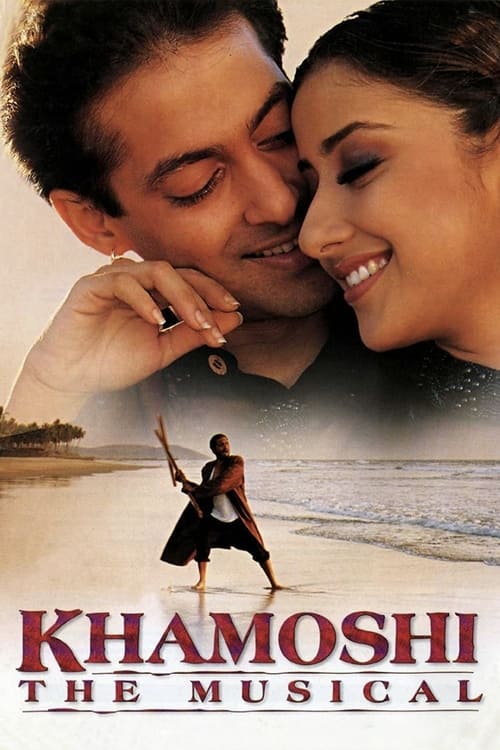
Khamoshi: The Musical
1996
No user ratings available yet
Representation score: 6.4 out of 10

Representation Score
Good
1980
Director
Sai Paranjape
Runtime
145 minutes
Average Rating
No ratings yetNew Showbiz Analysis
Sai Paranjape’s direction elevates this drama through nuanced, character-driven storytelling. The film treats disability as a facet of identity rather than a deficit, avoiding common clichés of inspiration porn. While the cast is ethnically homogeneous and lacks LGBTQ+ representation, the film challenges traditional gender hierarchies. The female lead maintains emotional autonomy, creating a partnership based on mutual intellectual companionship. Ultimately, the film succeeds as a work of social realism. It focuses on the dignity and autonomy of its protagonists within a grounded, authentic Indian setting.
Category Breakdown
The film follows a traditional heterosexual relationship. There are no identifiable LGBTQ+ characters or explorations of non-traditional gender identities.
The narrative centers the emotional journey of the female protagonist. She actively navigates her own grief and autonomy rather than acting as a passive observer.
The film offers an authentic depiction of middle-class urban Indian life. It provides culturally specific ability to act to its protagonists without an exoticized lens.
The story prioritizes a secular, humanist perspective over religious dogma. It values individual emotional experience and social utility over rigid traditionalism.
Visual impairment is treated as a lived reality rather than a tool for sentimentality. The protagonist possesses full ability to act and professional expertise.
Present on Screen
Limited or Absent
Official Synopsis
An independent visually impaired man who runs a school for blind children deals with troubles and triumphs of his profession and finds love when a withdrawn recent widow volunteers at the school.
1996

1991

2005

1965

2003

2005

2007

2010
No reviews yet. Be the first to share your thoughts on this movie!
Use the rating form above to leave a star rating and optional review.