
Stage Struck
1958
No user ratings available yet
Representation score: 2.1 out of 10
Representation Score
Good
1975
PGDirector
Berry Gordy
Runtime
109 minutes
Average Rating
No ratings yetNew Showbiz Analysis
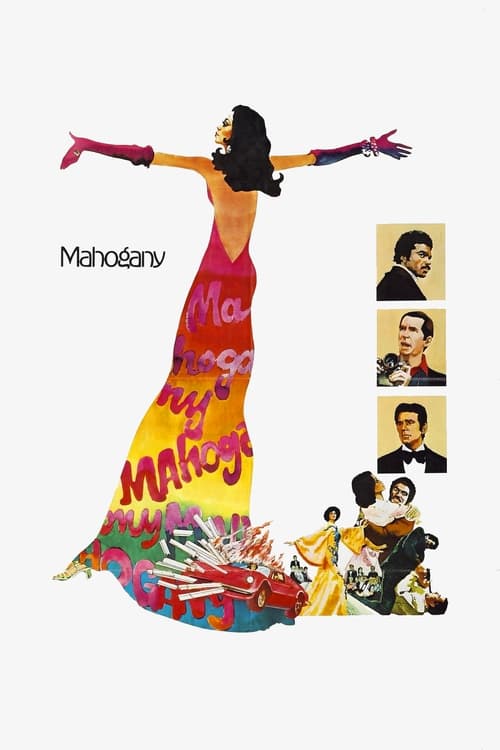
Mahogany stands out as a groundbreaking film from the mid-1970s by highlighting Black excellence in high-status professional circles. By casting Diana Ross and James Earl Jones, the film showcases Black identity through wealth, elegance, and industry leadership. The film also excels in portraying women's ability to drive the story, focusing on Tracy's career ambitions rather than a passive love story. However, the film lacks diversity in other areas, with no representation of LGBTQ+ identities or characters with disabilities.
Category Breakdown
The story focuses on a relationship between the protagonist and a photographer, assuming both are straight. There are no visible representations of non-binary or transgender identities, nor any critique of the assumption that everyone is straight.
Tracy is shown as a woman who is motivated by her career and creative success. The film challenges traditional gender roles by emphasizing her professional goals over family life.
The film breaks from 1970s cinema by featuring a Black protagonist in the world of high fashion. It portrays Black characters as sophisticated and skilled professionals.
The narrative criticizes the shallowness of the fashion industry and the emptiness of fame. It delves into the moral complexities of living in elite Western society.
The characters are portrayed as fully able-bodied. There are no significant depictions of physical or mental disabilities in the film.
Present on Screen
Limited or Absent
Official Synopsis
An aspiring designer from the slums of Chicago puts herself through fashion school in the hopes of becoming one of the world's top designers. Her ambition leads her to Rome spurring a choice between the man she loves or her newfound success.
1958
1965
1993

1973

2006

1961
1984
1955
No reviews yet. Be the first to share your thoughts on this movie!
Use the rating form above to leave a star rating and optional review.