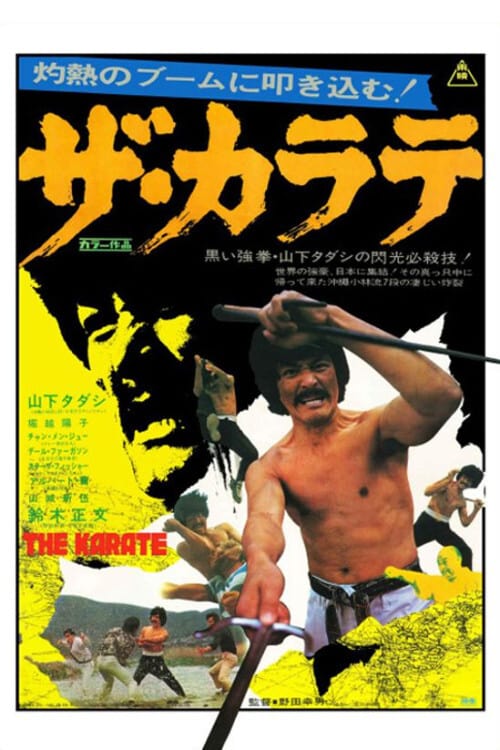
The Karate
1974
No user ratings available yet
Representation score: 2.0 out of 10

Representation Score
Limited
1965
Director
Seiichiro Uchikawa
Runtime
159 minutes
Average Rating
No ratings yetNew Showbiz Analysis
Sanshiro Sugata is a traditionalist martial arts drama that prioritizes the preservation of cultural discipline and social order. The film's structure upholds established hierarchies while avoiding Western-centric casting norms, maintaining historical authenticity. The narrative's strength lies in its refusal to rely on Western norms, staying true to its Japanese roots. However, it remains conservative in its exploration of period-specific social dynamics.
Category Breakdown
The film follows a traditional path centered on the protagonist's romance with a woman, without any queer subtext or non-cisgender identities.
Shuri Masato disrupts conventional clichés by acting as a highly skilled martial artist, showcasing female competence and ability to act.
The cast is culturally homogeneous, reflecting the 1930s Japanese setting without any whitewashing or Western-centric casting.
The story is deeply rooted in Japanese social structures and dojo ethics, reinforcing traditional values of hierarchy, discipline, and spiritual mastery.
The narrative contains no depictions of visible or invisible disabilities, with characters defined almost exclusively by their physical martial skills.
Present on Screen
Limited or Absent
Official Synopsis
Remake of Akira Kurosawa's films "Sanshiro Sugata and "Sanshiro Sugata Part II". A young man, Sanshiro Sugata, troubled by personal problems, takes up judo. His teacher, Shogoro Yano, is a devout man who has aroused the enmity of the local practitioners of jujitsu, the older and more accepted of the two sports. Sugata uses his newly learned prowess to gain a measure of respect from others; however, Shogoro insists that the sport has a spiritual side, a lesson Sugata has yet to learn. Eventually, in hand-to-hand combat with the father of a young woman he loves, he comes to understand the true meaning of judo.
1974
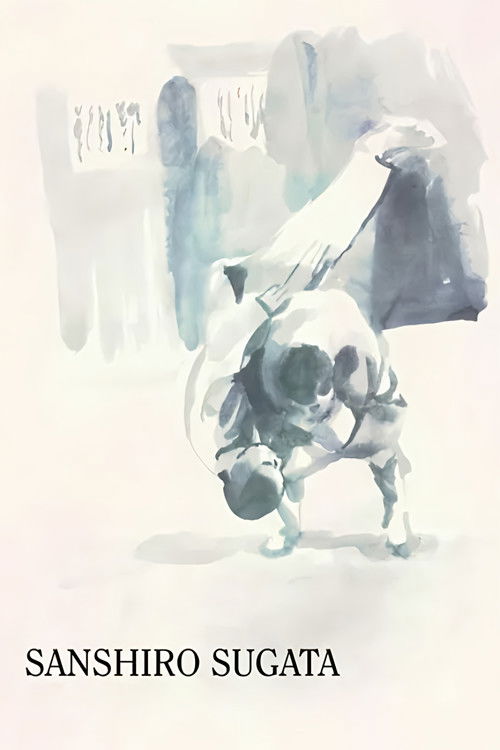
1943
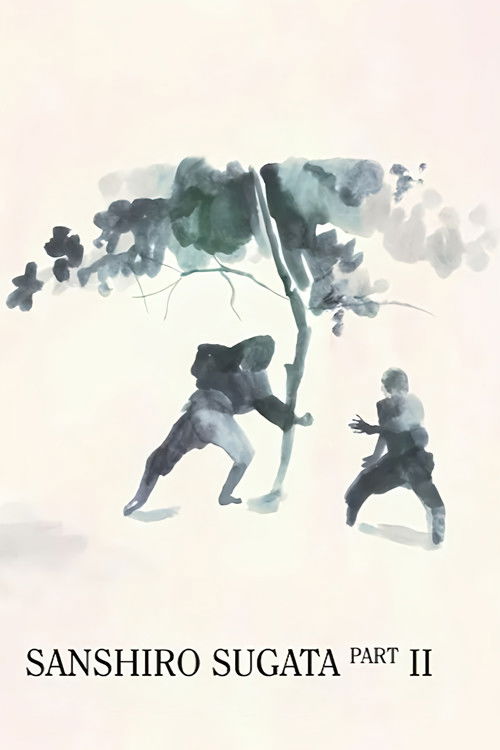
1945
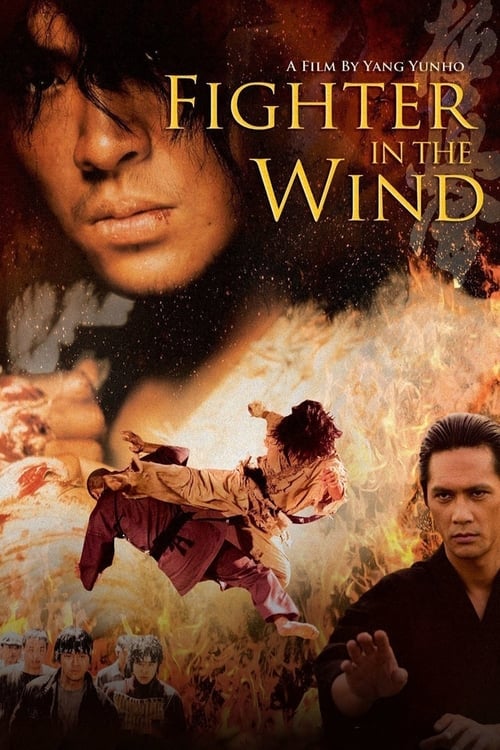
2004
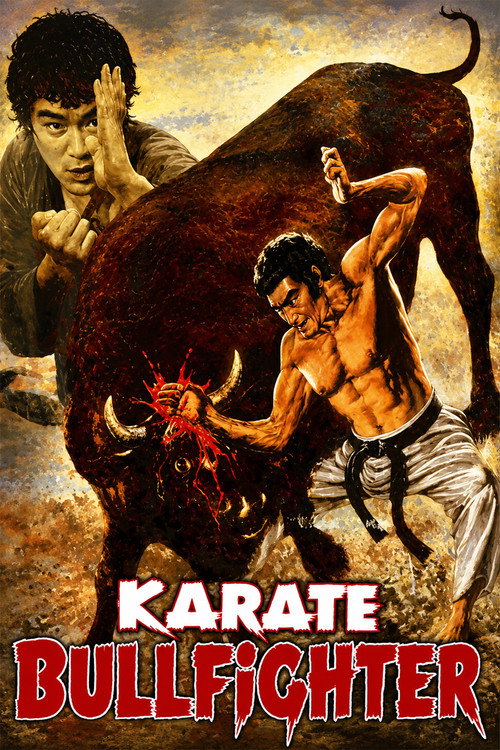
1975
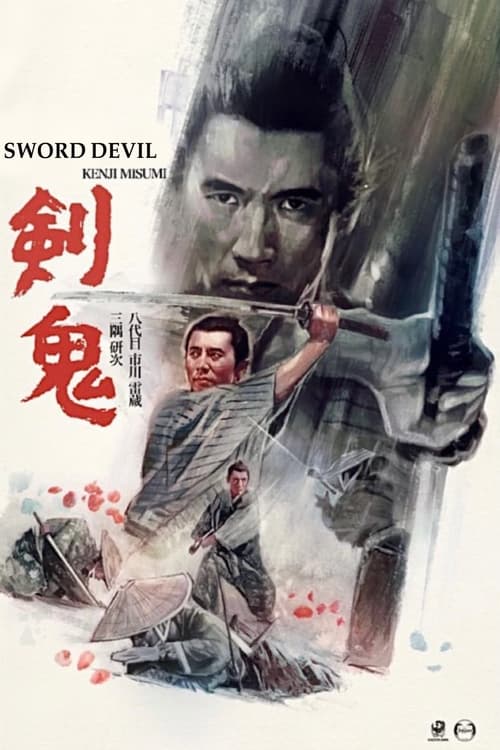
1965

1982
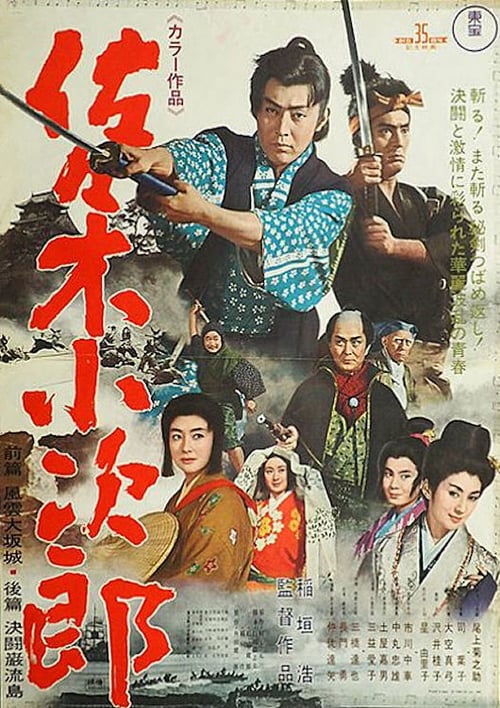
1967
No reviews yet. Be the first to share your thoughts on this movie!
Use the rating form above to leave a star rating and optional review.