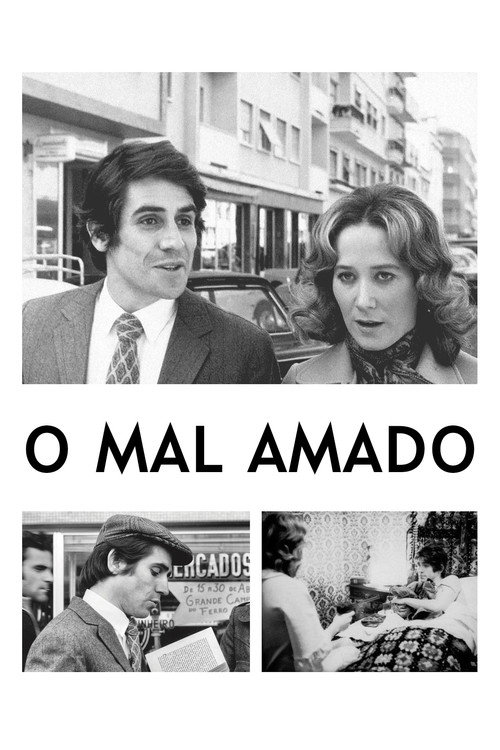
O Mal-Amado
1974
No user ratings available yet
Representation score: 3.9 out of 10
Representation Score
Limited
1963
Director
Paulo Rocha
Runtime
91 minutes
Average Rating
No ratings yetNew Showbiz Analysis
This film is a sophisticated examination of social tensions, emphasizing psychological empowerment and the dismantling of conventional structures. It excels in its cultural critique of mid-century Portuguese stagnation and the conflict between rural life and urban modernity. However, the work is constrained by the historical limitations of its time, lacking in racial and LGBTQ+ diversity. The homogeneous cast and absence of queer identities reflect the demographics of 1963 Portugal. Ultimately, the film's strength lies in its challenge to social hierarchies and its nuanced depiction of female empowerment, despite the absence of multi-layered demographic representation.
Category Breakdown
The film does not include any queer narratives or non-straight identities. The character dynamics focus solely on social status and class.
Ilda challenges traditional stereotypes by displaying strong confidence and playing a key role in the protagonist's personal growth, rather than being a passive figure.
The cast is primarily made up of actors representing the demographics of mid-century Portugal. The story centers on the social and economic differences between rural areas and urban Lisbon.
Rocha provides a powerful critique of the Estado Novo regime by highlighting the shift from agricultural traditions to urban modernity. The film emphasizes existential themes over religious morality.
There are no prominent portrayals of physical or neurological disabilities among the main characters.
Present on Screen
Limited or Absent
Official Synopsis
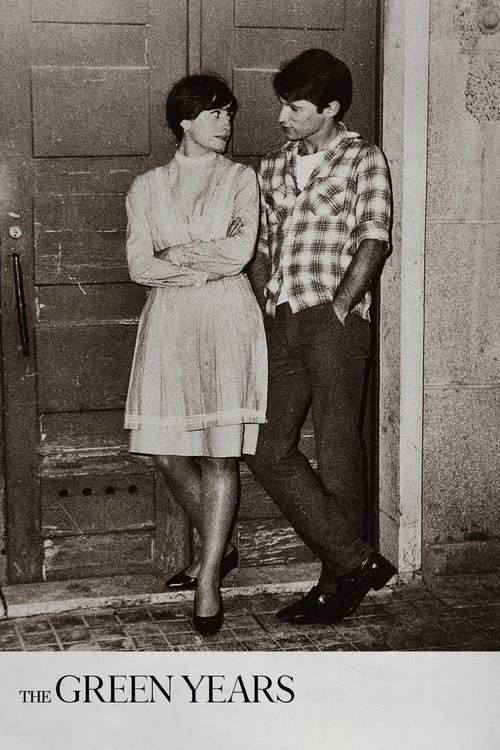
Nineteen-year-old Julio heads to Lisbon from the provinces and gets a job as a shoemaker for his uncle Raul. But when he meets Ilda, a confident young housemaid who becomes a regular shop visitor, his working-class values collide with the bourgeois trappings of modern life.
1974

1961

1967

1961
1965

1961
1960
1960
No reviews yet. Be the first to share your thoughts on this movie!
Use the rating form above to leave a star rating and optional review.