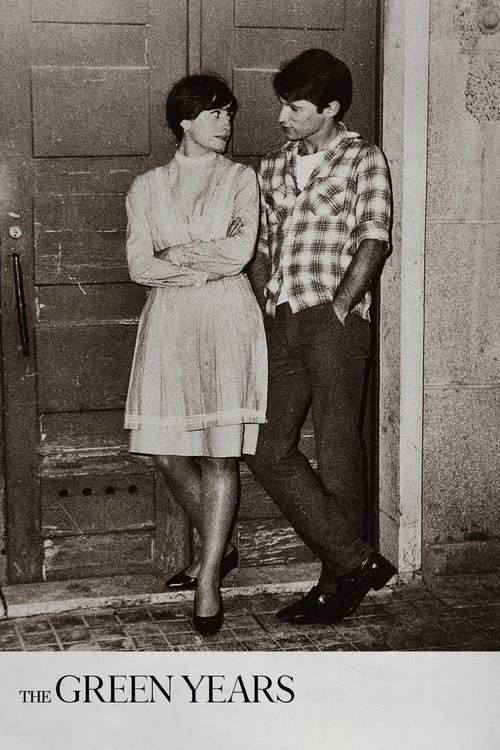
The Green Years
1963
No user ratings available yet
Representation score: 2.3 out of 10

Representation Score
Limited
1974
Director
Fernando Matos Silva
Runtime
100 minutes
Average Rating
No ratings yetNew Showbiz Analysis
O Mal-Amado serves as a social critique of the mid-1970s Portuguese upper class. It explores the tension between established class hierarchies and individualistic, non-conformist behavior through its protagonist, João. The film stands out by challenging traditional gender power dynamics and rejecting conventional economic paths. However, it lacks significant representation of racial or LGBTQ+ identities, focusing instead on internal class conflicts. Ultimately, the film examines alienation, positioning individuals as sites of political resistance against a backdrop of institutional stability.
Category Breakdown
The film doesn't show same-sex relationships or non-straight identities. It focuses on the main character's struggle to fit into a society that assumes everyone is straight and cisgender.
The film challenges traditional gender roles by showing a female boss who has both professional and sexual authority over the male protagonist, disrupting typical gender power dynamics.
The story is set in Lisbon and focuses on a specific socioeconomic class in Portugal. There is no indication of a diverse cast or non-Anglo-centric characters.
The film criticizes capitalist structures and the stability of the upper class through the protagonist's political involvement. It also questions the traditional family unit as a source of fulfillment.
There is no evidence of characters with physical or neurodivergent disabilities in the film.
Present on Screen
Limited or Absent
Official Synopsis
The Soares are a bourgeois couple, living in a good neighbourhood of Lisbon, but João, their son, is not integrating well in that pattern. He attends more political meetings than classes at the Faculty of Economy, and gets a job but that's short lived because his female boss makes him her lover. He longs for the coffee shops, and the companions of old, but he doesn't get true love from anyone.
1963
1971
1967

1961

1970
1961

1975

1979
No reviews yet. Be the first to share your thoughts on this movie!
Use the rating form above to leave a star rating and optional review.