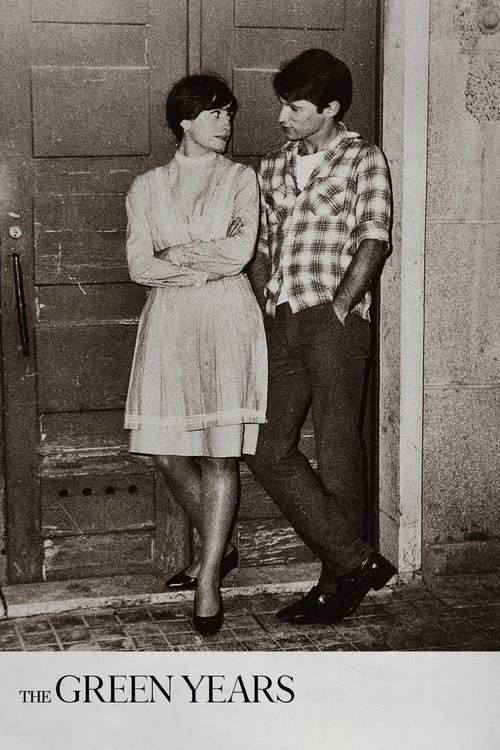
The Green Years
1963
No user ratings available yet
Representation score: 2.3 out of 10
Representation Score
Limited
1965
Director
Vicente Aranda, Román Gubern
Runtime
93 minutes
Average Rating
No ratings yetNew Showbiz Analysis
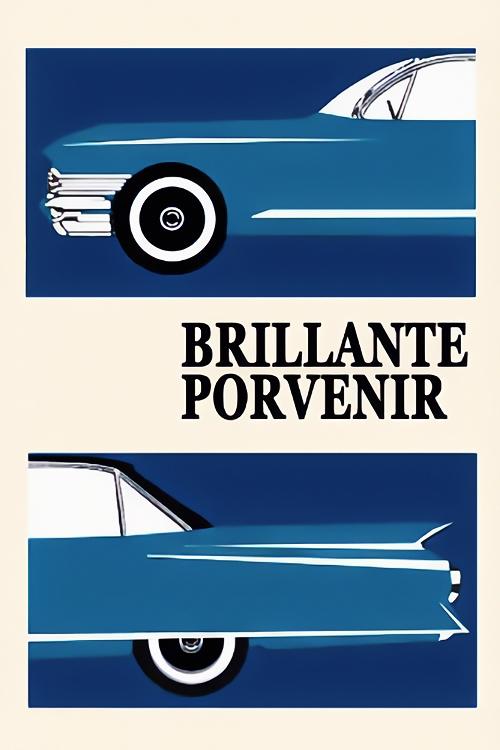
Brillante Porvenir is a period piece reflecting the social and demographic norms of 1960s Spanish cinema. The plot revolves around individual social advancement and the shift from rural life to urban complexity in Barcelona. The film adheres to conventional hierarchies, especially concerning gender and romantic structures. Although the director's background suggests an interest in human desires, this particular work remains anchored in the era's typical social frameworks. Ultimately, the film serves as a study of class and sophistication rather than a platform for diverse representation, mirroring the homogeneous context of its historical setting.
Category Breakdown
The story centers around Antonio's relationship with Lorenzo's sister, focusing on heterosexual bonds despite the close friendship between the two men. There is no depiction of queer intimacy.
The narrative emphasizes the male journey towards social and professional success. Women appear mainly as catalysts for male growth rather than as independent characters with their own roles.
Set in 1960s Spain, the film mirrors the demographic uniformity of its time. There is no indication of multi-ethnic casting or challenging Eurocentric norms.
The film delves into the contrast between rural simplicity and urban sophistication in Barcelona. It examines how individuals manage class and societal complexities in a modernizing environment.
The narrative does not include characters with visible or invisible disabilities.
Present on Screen
Limited or Absent
Official Synopsis
Antonio, a young man with a modest job in a small town, leads a monotonous existence until he is transferred to Barcelona to work in an architecture studio. From that moment, a new life opens before his eyes. He befriends Lorenzo, one of his classmates. Lorenzo is more experienced than Antonio and shows him a new, more sophisticated life in which Antonio feels out of place. Also, Antonio falls in love with Lorenzo's sister.
1963

1961
1960

1961

1963

1969
1964
1956
No reviews yet. Be the first to share your thoughts on this movie!
Use the rating form above to leave a star rating and optional review.