
Castle Under Fiery Skies
2009
No user ratings available yet
Representation score: 1.9 out of 10
Representation Score
Limited
2012
Director
Shinji Higuchi, Isshin Inudo
Runtime
144 minutes
Average Rating
No ratings yetNew Showbiz Analysis
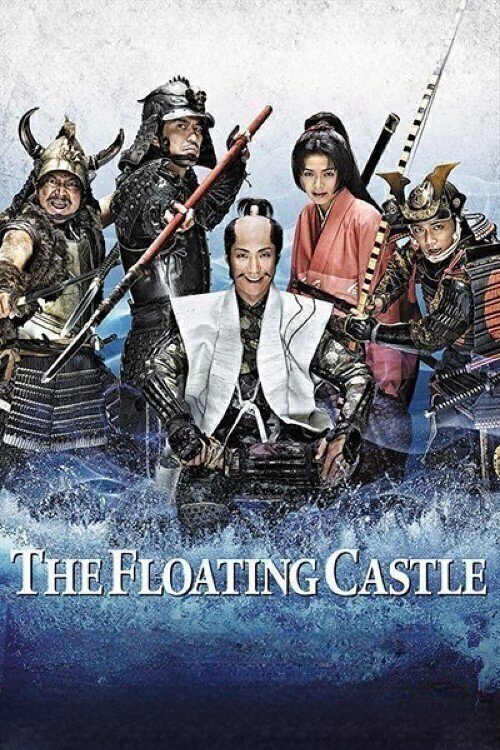
The Floating Castle is a traditional historical epic that prioritizes period accuracy over social subversion. It functions as a study of feudal duty and the survival of a community against overwhelming force. The narrative architecture is built upon the preservation of classical warrior archetypes and established social hierarchies. Because the film adheres to the historical realism of the Sengoku period, it maintains a conservative approach to representation. The storytelling focuses on the consequences of adhering to traditional systems of power and duty rather than challenging them. Ultimately, the film serves as a reinforcement of historical social structures, offering a singular ethnic and gendered perspective consistent with the era it depicts.
Category Breakdown
The film operates within a strictly straight-centered framework. There are no non-cisgender identities or same-sex narratives present in the story.
The narrative reinforces traditional gender roles through masculine warrior codes. Female characters remain largely within the domestic sphere, serving as supporting figures rather than political agents.
The cast is homogeneous, reflecting the historical reality of 16th-century Japan. The film avoids diverse casting to maintain a traditionalist view of the era.
The story emphasizes feudal authority and the rigid class structures of the Sengoku period. It focuses on the bushido code and traditional social hierarchies.
There is no significant focus on neurodivergence or physical disabilities. Characters are defined by martial utility rather than any lived experience with disability.
Present on Screen
Limited or Absent
Official Synopsis
In the year 1590, the mighty warlord Toyotomi Hideyoshi is close to fulfilling his ambition of unifying all of Japan under his banner when he comes across unexpected resistance in the form of a floating fortress known as Oshi Castle. Narita Nagachika, a frivolous hedonistic fellow and unlikely candidate for the position of rebel general, finds himself in charge of defending the castle. His odds? An army of 500 men to combat Toyotomi Hideyoshi's army of 20,000.
2009

1952
2023

2017

2017
1961

2023

2014
No reviews yet. Be the first to share your thoughts on this movie!
Use the rating form above to leave a star rating and optional review.