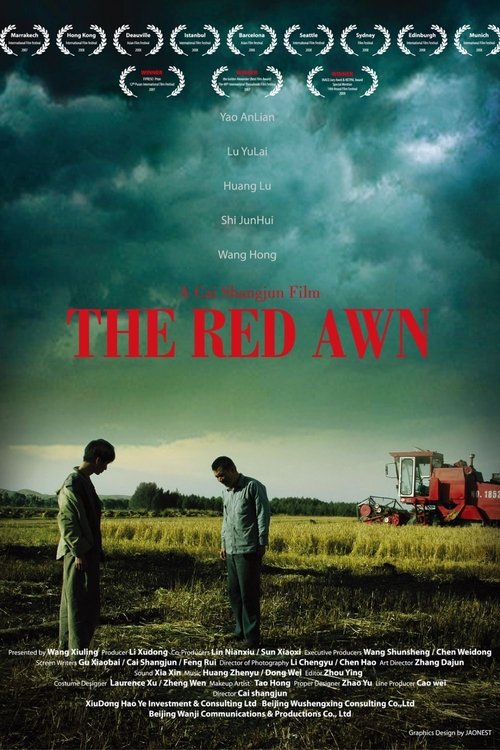
The Red Awn
2007
No user ratings available yet
Representation score: 4.3 out of 10
Representation Score
Fair
2010
Director
Wang Xiaoshuai
Runtime
110 minutes
Average Rating
No ratings yetNew Showbiz Analysis
Wang Xiaoshuai’s work uses social realism to challenge traditional social hierarchies. By focusing on the tension between individuals and the state, the film goes beyond simple melodrama to examine systemic structures. The narrative's strength lies in its challenge to the 'heroic father' archetype. Instead of portraying the provider as a stable figure, the film shows traditional masculine leadership as a cause of domestic fragmentation. While the film lacks explicit representation for LGBTQ+ or disability-related plot points, its critique of patriarchal stability and institutional power provides significant progressive value.
Category Breakdown
The film does not provide explicit information about the sexual orientation or gender identity of its characters. The story mainly revolves around paternal grief and the gap between generations.
The story centers on a male protagonist and his relationship with his deceased son. It challenges traditional patriarchal roles by showing the father's absence as a cause of familial alienation.
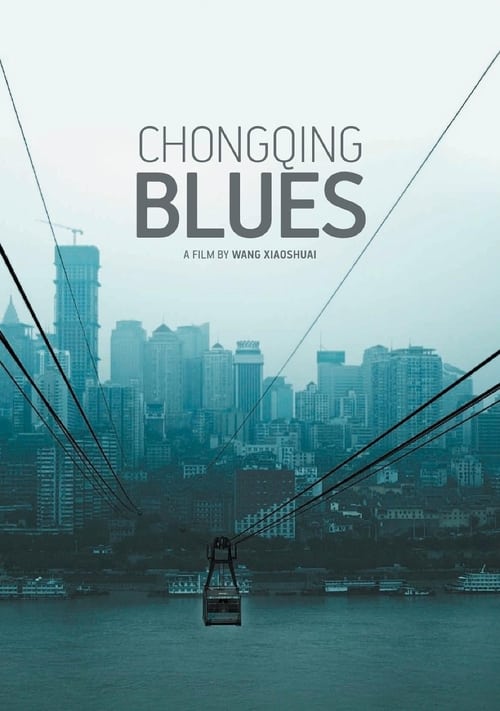
As a domestic Chinese production, the film offers a non-Western perspective. It explores regional identity and urban life through its setting in Chongqing.
The film critiques systemic power and state authority. It portrays the traditional family unit as a place where economic and systemic pressures lead to disconnection.
The film does not include any characters with physical or neurodivergent disabilities.
Present on Screen
Limited or Absent
Official Synopsis
Lin, a sea captain, returns from a 6 month journey when he is told that his 25-year-old son Lin Bo has been gunned down by the police. In his quest to understand what happened, he realizes he knew very little about his own son. He starts a journey back to Chongqin, a city he once lived. He will understand the impact of his paternal repeated absence on the life of his child.
2007

1997

2018

1997

2012
2009
2023
2012
No reviews yet. Be the first to share your thoughts on this movie!
Use the rating form above to leave a star rating and optional review.