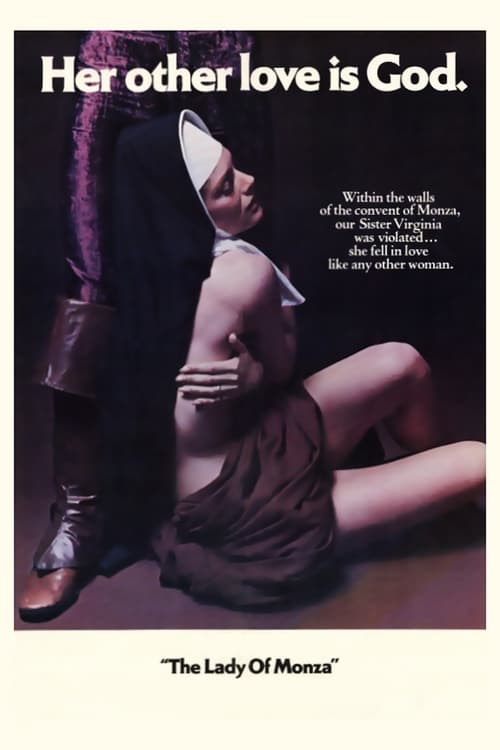
The Lady of Monza
1969
No user ratings available yet
Representation score: 5.2 out of 10
Representation Score
Good
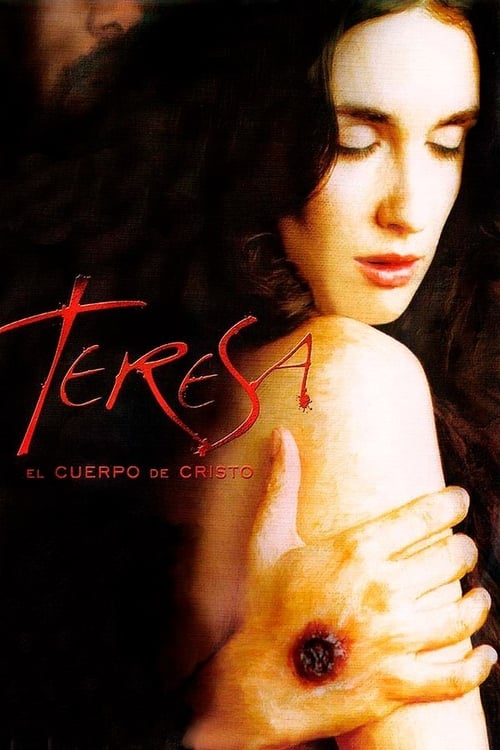
2007
PG-13Director
Ray Loriga
Runtime
101 minutes
Average Rating
No ratings yetNew Showbiz Analysis
Ray Loriga’s drama dismantles institutional authority through a strong female lead. By highlighting a woman's intellectual and spiritual dominance, the film challenges the patriarchal norms of its historical setting. The narrative uses the monastic environment to explore the conflict between individual autonomy and systemic religious control. This creates a nuanced subtext about bodily ability to act and unconventional intimacy. While the period setting restricts racial diversity to the Mediterranean demographic, the film offers a rich cultural critique. It transcends simple historical reenactment to explore how rigid social hierarchies suppress the individual.
Category Breakdown
The film examines the tension between spiritual devotion and physical desire. It challenges the assumption that everyone is straight or cisgender by focusing on a woman's struggle with bodily autonomy and unconventional intimacy.
The story overturns traditional hierarchies by centering a female protagonist who gains spiritual authority. She navigates and challenges the patriarchal structures of 16th-century Spanish nobility and religious institutions.
The casting reflects the social constraints of 16th-century Spain, with a predominantly Mediterranean/Iberian cast. The focus is on the intersection of class and spiritual status rather than ethnic variety.
The film critiques traditional Western institutions by showing the convent and nobility as restrictive systems of control. It emphasizes subjective spiritual truth over rigid institutional dogma.
There is no discernible evidence regarding the portrayal of physical or neurodivergent disabilities within the narrative.
Present on Screen
Limited or Absent
Official Synopsis
In the 16th century, the daughter of a Spanish nobleman joins a convent and becomes a spiritual leader.
1969
1967

2022

1943

2024
2014

2023
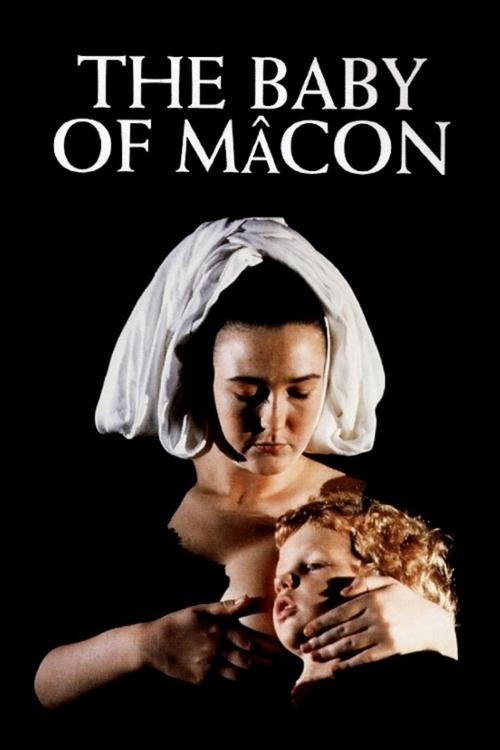
1993
No reviews yet. Be the first to share your thoughts on this movie!
Use the rating form above to leave a star rating and optional review.