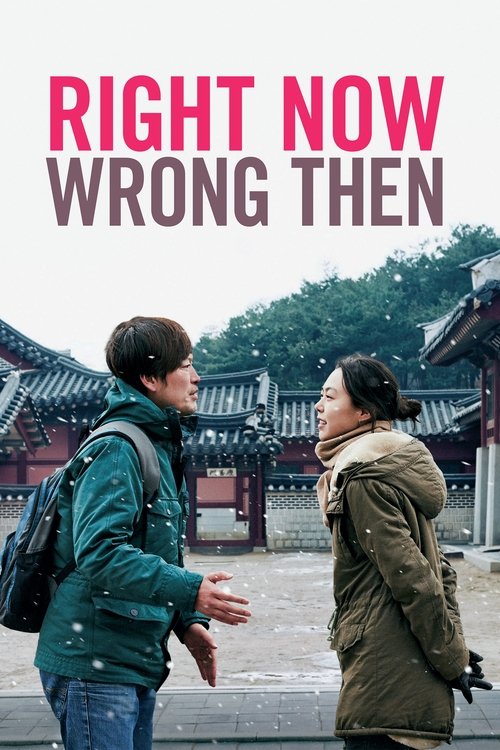
Right Now, Wrong Then
2015
No user ratings available yet
Representation score: 3.9 out of 10

Representation Score
Good
2004
Not RatedDirector
Hong Sang-soo
Runtime
88 minutes
Average Rating
No ratings yetNew Showbiz Analysis
Hong Sang-soo’s film is a sophisticated postmodern work that prioritizes intellectual exploration over broad demographic representation. It successfully challenges traditional gender hierarchies and the stability of moral truths. Although the film lacks explicit LGBTQ+ representation and racial diversity, these absences seem to arise from its specific geographical focus and traditional romantic framework rather than a desire to uphold particular social norms. The film’s strength lies in its rejection of didactic storytelling. Ultimately, the work achieves progressive value through its relative perspective on human interaction. It questions Western storytelling conventions by focusing on the awkward, everyday realities of social connections.
Category Breakdown
The film follows a traditional romantic storyline without highlighting non-cisgender identities or using queer characters to question assumptions about straight relationships.
It challenges traditional gender roles by emphasizing the intellectual and psychological independence of female characters, rather than portraying them as passive figures.
The cast primarily features actors from a similar cultural background, reflecting a specific South Korean context. While it doesn't blend different ethnicities, it offers an authentic depiction of Korean social interactions.
The film employs a fragmented narrative to question absolute truths in favor of personal experiences. It highlights everyday social rituals over strict religious or institutional practices.
The film does not focus on characters with visible or hidden disabilities. Instead, it portrays characters within typical social norms of mental and physical health.
Present on Screen
Limited or Absent
Official Synopsis
As the first snow falls in Seoul, two old friends reunite; one is a successful college professor, and the other, a struggling filmmaker recently returned from the United States. After their reminiscences, they finally decide to go in search of the young woman each had romanced years earlier.
2015
2012
1998

2006
2017
2010

2009

2013
No reviews yet. Be the first to share your thoughts on this movie!
Use the rating form above to leave a star rating and optional review.