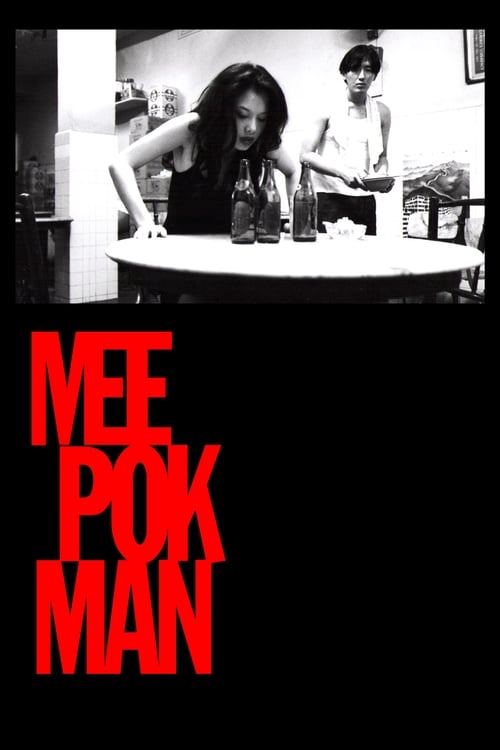
Mee Pok Man
1996
No user ratings available yet
Representation score: 8.9 out of 10

Representation Score
Excellent
2006
NRDirector
Tsai Ming-liang
Runtime
118 minutes
Average Rating
No ratings yetNew Showbiz Analysis
Tsai Ming-liang’s work dismantles traditional social structures and capitalist norms. By focusing on the underrepresented and isolated, the film provides a sophisticated critique of how modern urban systems lead to social alienation. The film stands out for its refusal to rely on conventional romantic or patriarchal clichés. It uses the backdrop of a modernizing Taipei to explore the intersection of ethnicity, poverty, and systemic neglect, offering a nuanced perspective on the immigrant experience. However, the film does not explicitly address specific identity-based political issues or recognized disabilities. Its focus on systemic symptoms rather than the ability to act of specific underrepresented groups limits its impact in these areas.
Category Breakdown
The film examines intimacy through unconventional relationships and the fluid nature of attraction. Although it doesn't explicitly address LGBTQ politics, it challenges traditional assumptions about relationships by highlighting personal isolation.
Characters are defined by their struggle for survival and independence rather than traditional gender roles. The film emphasizes bodily autonomy and casual physical interactions, which challenge idealized romantic notions.
The narrative focuses on the immigrant experience in Taipei, particularly those on the socioeconomic margins, such as a Bangladeshi immigrant. It avoids presenting a uniform majority and instead highlights diverse experiences.
The film criticizes the dehumanizing effects of urban architecture and late-stage capitalism. It portrays social non-conformity and sex work as systemic responses to isolation, rather than moral failures.
The film depicts pervasive psychological isolation caused by the modern environment. These conditions are shown as symptoms of urban decay rather than specific individual traits.
Present on Screen
Limited or Absent
Official Synopsis
Rawang, an immigrant from Bangladesh living in awful conditions, takes pity on a Chinese man, Hsiao-kang, who is beaten up and left in the street. Rawang lovingly nurses him on a mattress he found. When he is almost healed, Hsiao-kang meets the waitress Chyi. His love for Rawang is put to the test.
1996

1996

2002

1995

1997

1987
1999

2001
No reviews yet. Be the first to share your thoughts on this movie!
Use the rating form above to leave a star rating and optional review.