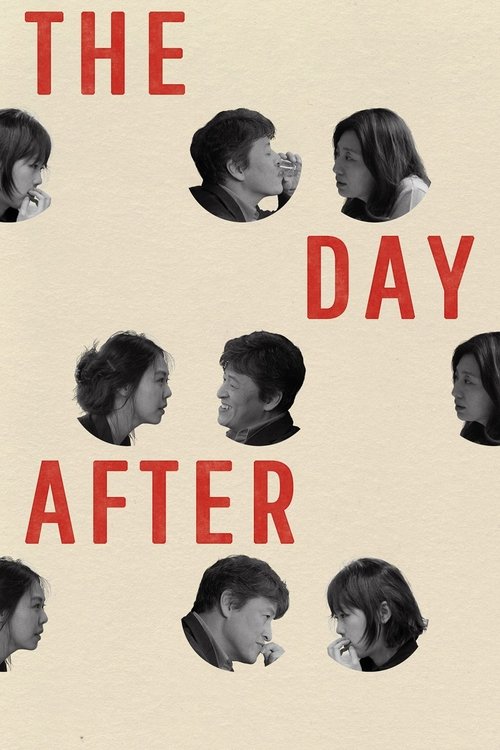
The Day After
2017
No user ratings available yet
Representation score: 6.8 out of 10
Representation Score
Limited
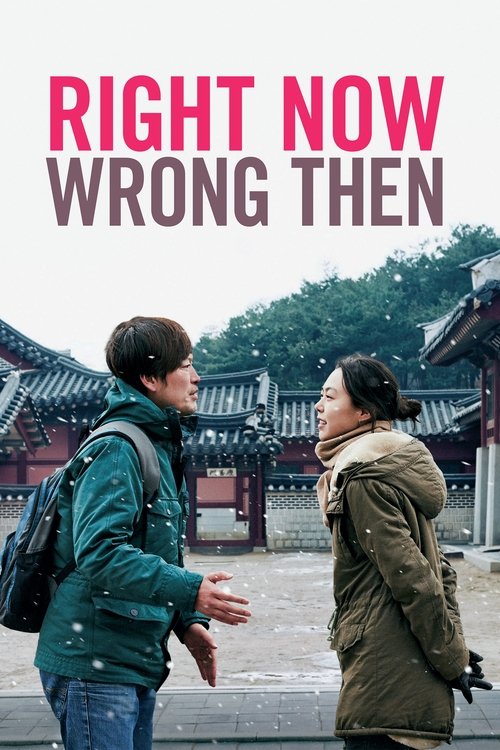
2015
Not RatedDirector
Hong Sang-soo
Runtime
121 minutes
Average Rating
No ratings yetNew Showbiz Analysis
Hong Sang-soo’s work is a sophisticated exercise in postmodern storytelling that prioritizes philosophical inquiry over demographic representation. The film disrupts narrative expectations through its bifurcated structure and minimalist approach to human interaction. However, the film remains conservative in its casting and its focus on a specific, homogeneous social class. It does not challenge systemic power structures or promote identity politics, opting instead for an examination of interpersonal psychology. Ultimately, the work is intellectually progressive in its formal qualities but traditional in its social and demographic composition, resulting in a narrow scope of representation.
Category Breakdown
The film centers on heterosexual relationships and traditional courtship. There is no depiction of non-binary gender identities or same-sex intimacy.
Female characters play significant roles and navigate the emotional labor of male-dominated social cues. However, the narrative remains centered around the male protagonist's perspective.
As a localized South Korean production, the film features a culturally homogeneous cast. It explores specific cultural etiquettes without blending different racial backgrounds.
The narrative emphasizes secular social interactions and situational ethics over religious frameworks. It deconstructs objective truth through a lens of moral relativism and subjective human connections.
The characters are portrayed within the standard range of neurotypical and able-bodied professional life. No visible or invisible disabilities are depicted within the narrative.
Present on Screen
Limited or Absent
Official Synopsis
By mistake, film director Ham Chunsu arrives in Suwon a day early. With time to kill before his lecture the next day, Chunsu stops by a restored, old palace and meets an artist named Yoon Heejung. Together, they go to Heejung's workshop to look at her paintings, have Sushi with Soju for dinner, and get close. Later, they go to another café and have more drinks with Heejung's acquaintances. When asked if he is married, Chunsu is forced to reveal the fact that he is, and Heejung gets deeply disappointed...
2017
2006

2004

2012
1998
2010

2006
2010
No reviews yet. Be the first to share your thoughts on this movie!
Use the rating form above to leave a star rating and optional review.