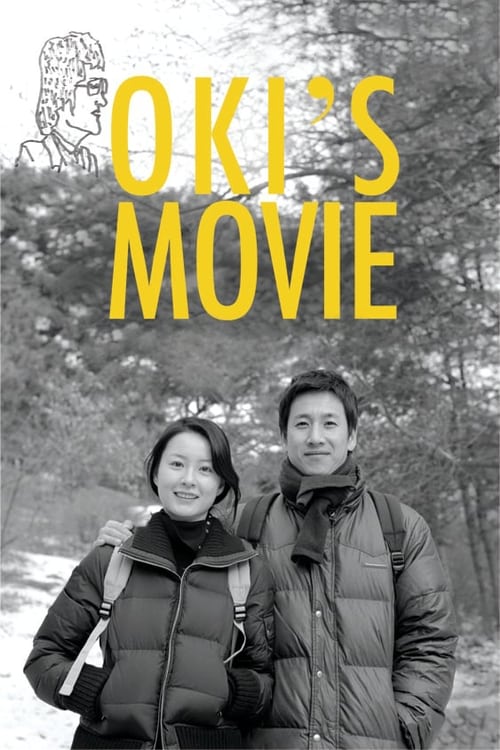
Oki's Movie
2010
No user ratings available yet
Representation score: 4.8 out of 10
Representation Score
Fair
2010
Director
Hong Sang-soo
Runtime
116 minutes
Average Rating
No ratings yetNew Showbiz Analysis
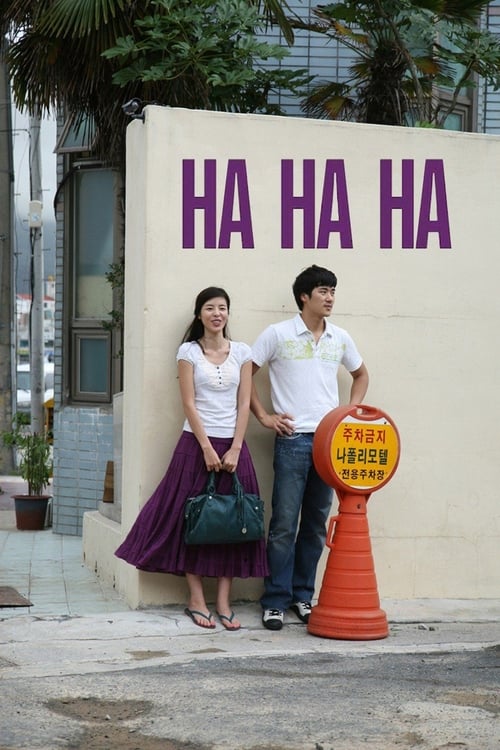
Hong Sang-soo’s *Ha Ha Ha* is a sophisticated, minimalist exploration of memory and human connection. It prioritizes structural experimentation over demographic representation, using a fragmented narrative to challenge the concept of objective truth. The film’s strength lies in its intellectual disruption of conventional storytelling. By deconstructing the traditional romantic lead and favoring a decentralized approach to character development, it offers a nuanced critique of social structures. However, the film remains within traditional demographic boundaries. It lacks representation for LGBTQ+ identities, diverse racial backgrounds, and visible disabilities, focusing instead on a homogeneous, localized social portrait.
Category Breakdown
The film centers on heterosexual relationships and does not include any non-cisgender gender identities or same-sex intimacy. There is no depiction of LGBTQ+ characters or themes.
The narrative disrupts typical gender roles by focusing on the awkwardness of gendered social interactions and failed courtship attempts.
The film features a cast that reflects a single cultural background, specifically Korean. It does not seek to include diverse racial or ethnic backgrounds.
The film explores moral ambiguity by presenting truth as a subjective construct. Characters operate within a secular, middle-class context, emphasizing interpersonal complexity over religious doctrine.
There are no prominent depictions of physical or cognitive disabilities. Character struggles are primarily social and psychological, centered around communication issues rather than visible disabilities.
Present on Screen
Limited or Absent
Official Synopsis
Over drinks, two friends agree to swap fond memories of their recent trips to the same seaside town. As the stories unfold in flashback, it becomes evident their accounts take place at the same time and with the same people.
2010

2015

2016

2012

2013

1990

2000

2004
No reviews yet. Be the first to share your thoughts on this movie!
Use the rating form above to leave a star rating and optional review.