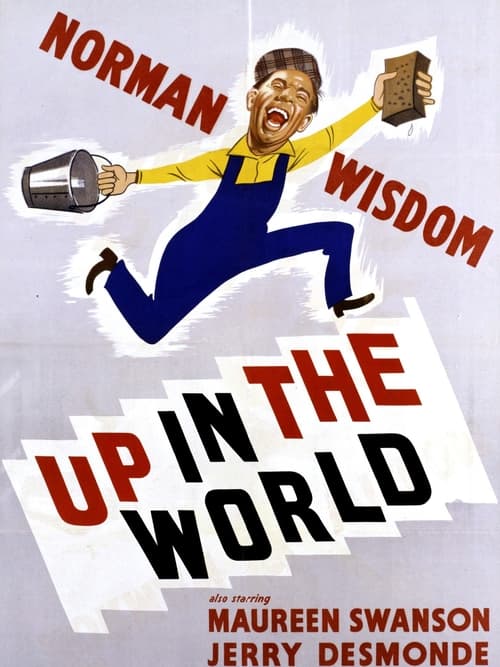
Up in the World
1956
No user ratings available yet
Diversity score: 2.6 out of 10
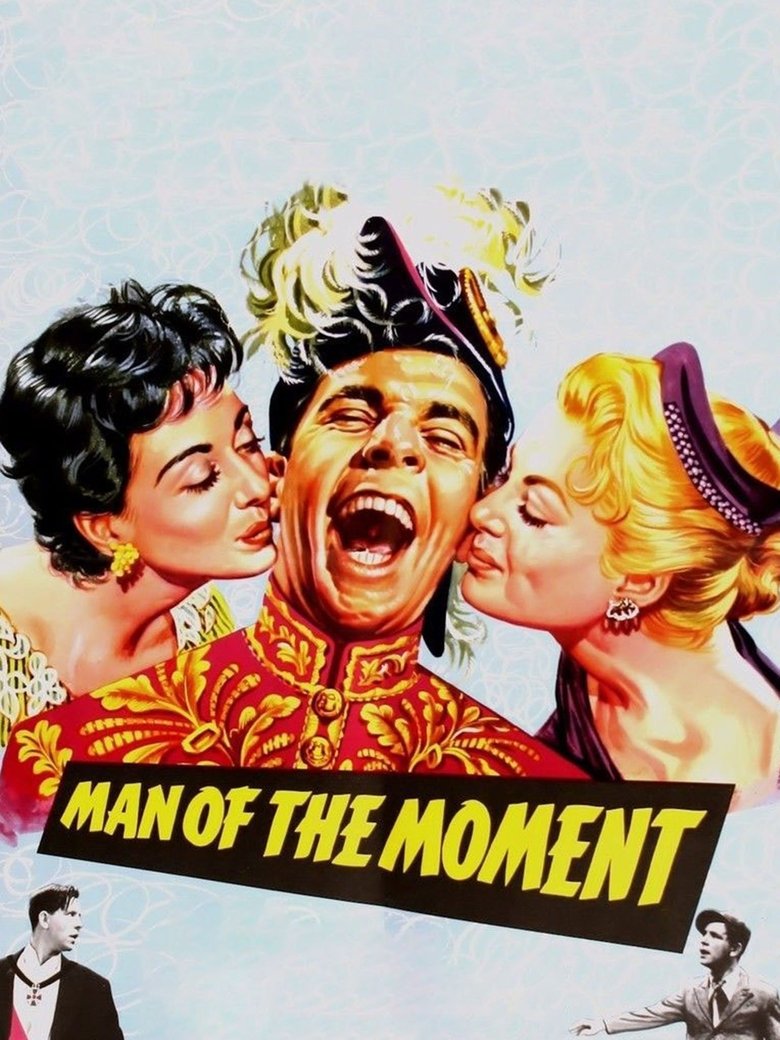
1955
Director
John Paddy Carstairs
Runtime
85 minutes
Average Rating
No ratings yetSynopsis
Norman is a file clerk who accidentally becomes a British delegate to a diplomatic conference, befriends the queen of a remote island, and winds up a knight. Norman leaves rooms in shambles, tailors in shreds, and diplomats in bandages. Chased by gunmen and assassins of foreign powers, Norman finds himself running through active TV studio sets and interrupts various programs and performances in progress
Overall Score
Limited
Category Breakdown
LGBTQ+ Representation
The film lacks any evidence of non-heteronormative identities or same-sex intimacy. It appears to adhere to the heteronormative social standards typical of 1955 British comedy.
Gender Representation
The story focuses heavily on Norman's male-centric journey from clerk to knight. While a female queen is mentioned, she likely serves as a plot device rather than a subversion of gender roles.
Racial & Ethnic Diversity
International settings like a remote island suggest potential for ethnic diversity. However, non-Anglo-Saxon characters appear secondary to the central British comedic narrative without significant agency.
Religious & Cultural Diversity
The narrative operates within a traditional Western framework centered on British diplomacy. It celebrates Western institutional validation and social hierarchies through a lens of comedic chaos.
Disability Representation
There is no evidence of characters with physical or neurodivergent disabilities being included or portrayed in the film.
Strengths
Areas for Improvement
AI Analysis
Man of the Moment is a mid-century farce that prioritizes slapstick and the 'accidental hero' trope over social critique. The plot follows a low-status clerk thrust into high-status diplomatic circles, reinforcing traditional class mobility patterns. The film's structure relies on conventional social hierarchies and Western institutional symbols, such as knighthood. While it touches on international themes, these elements serve the comedy rather than exploring deep cultural or post-colonial identities. Ultimately, the production reflects the era's standard cinematic norms, offering very little in the way of intersectional representation or the subversion of established social or gendered power structures.
1956
1952

1963
1949
1957
1964
1951
1966
1950
1969
1967
1960
No reviews yet. Be the first to share your thoughts on this movie!
Use the rating form above to leave a star rating and optional review.