
Happy Ever After
1954
No user ratings available yet
Representation score: 1.4 out of 10

Representation Score
Minimal
1951
NRDirector
Mario Zampi
Runtime
97 minutes
Average Rating
No ratings yetNew Showbiz Analysis
Laughter in Paradise is a conventional mid-century comedy that adheres strictly to the social and cultural norms of its era. The film focuses on a traditional inheritance plot driven by an eccentric character's will. The production lacks intentionality regarding disrupting social hierarchies. It operates within a framework of traditional Western values, focusing on property and family legacy rather than exploring diverse identities or systemic critiques. Ultimately, the film serves as a time capsule of 1951 British studio filmmaking, prioritizing established comedic archetypes over representation or narrative subversion.
Category Breakdown
The film does not include any LGBTQ+ characters or narratives that challenge the assumption that everyone is straight or cisgender. It follows the standard social constraints and romantic clichés typical of 1951 British cinema.
Featuring the debut of Audrey Hepburn, the film relies on traditional gender roles. Women do not drive the plot through intellectual or physical strength.
The casting reflects the homogeneous norms of post-war British comedy. The narrative focuses on a traditional Western social circle without significant racial or ethnic diversity.
The plot uses Western clichés of inheritance and family legacy. It operates within a traditional framework of property and eccentric individuals rather than critiquing Western institutions.
There is no mention of characters with visible or invisible disabilities. These themes do not appear to be central to the narrative.
Present on Screen
Limited or Absent
Official Synopsis
When an eccentric practical joker dies, he divides his fortune among four heirs. But before they can collect the cash they must each do something which goes completely against their nature. NB: This is the film which introduced Audrey Hepburn.
1954

1934
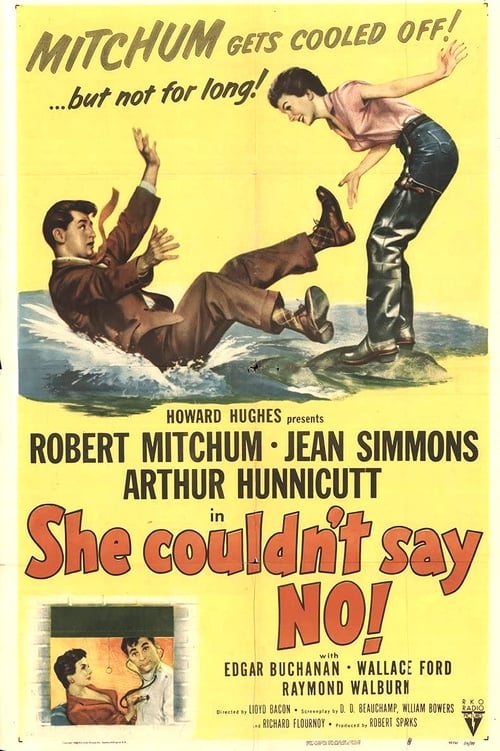
1954
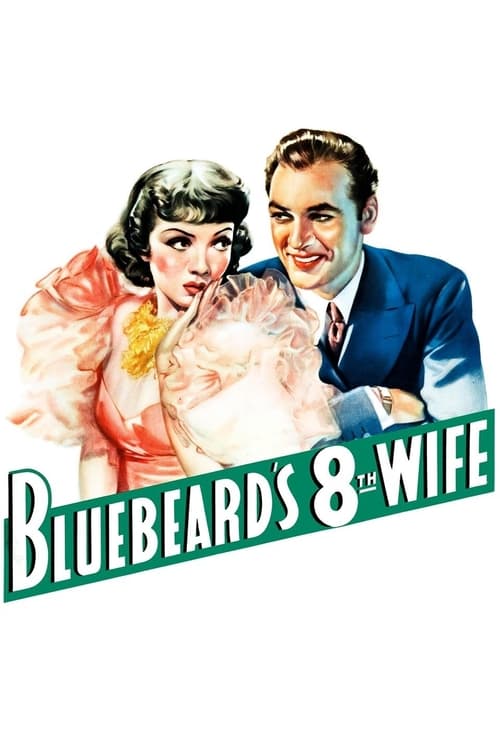
1938
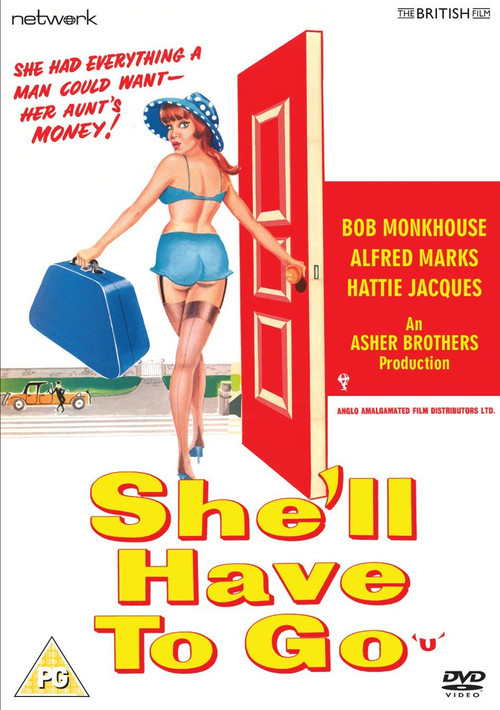
1962
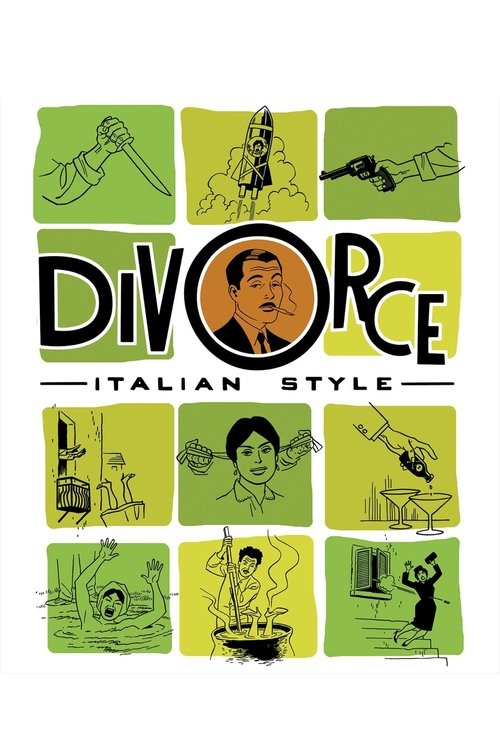
1961
1961
1958
No reviews yet. Be the first to share your thoughts on this movie!
Use the rating form above to leave a star rating and optional review.