The Blonde Stayed On
1946
No user ratings available yet
Representation score: 1.1 out of 10
Representation Score
Minimal
1945
ApprovedDirector
Harry Edwards
Runtime
17 minutes
Average Rating
No ratings yetNew Showbiz Analysis
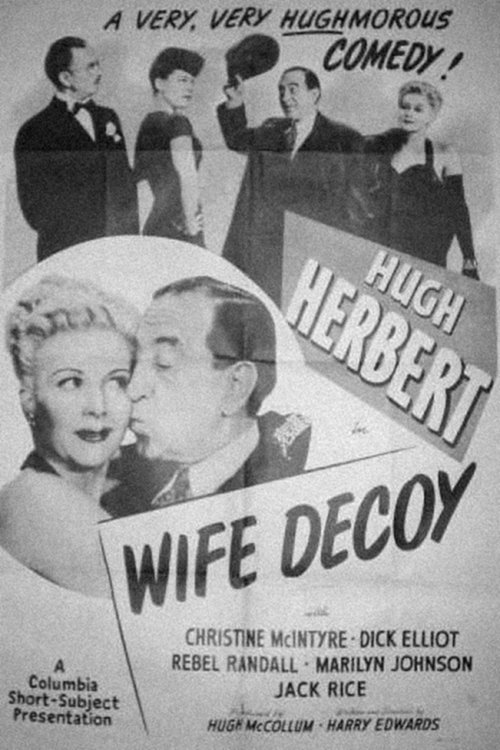
Wife Decoy operates within the constraints of its time, focusing on a narrow, heterosexual premise involving a husband failing to recognize his wife due to a change in hair color. The comedy is built on a traditional setup that reinforces existing social norms rather than challenging them. The film lacks intentionality in addressing identity-based hierarchies and focuses on conventional domestic misunderstandings.
Category Breakdown
The film revolves around a misunderstanding in a heterosexual marriage. There are no representations of LGBTQ+ identities or critiques of the assumption that everyone is straight or cisgender.
The plot hinges on a domestic misunderstanding where a wife's appearance changes. The story relies on conventional gender stereotypes without challenging traditional gender roles.
The setting suggests a typical mid-century comedic environment. There is no indication of a diverse cast or ethnic representation.
The premise fits within the traditional Western comedic style of the era. The nightclub and marital dynamics reinforce mid-century social norms without questioning them.
The film does not include any characters with visible or invisible disabilities.
Present on Screen
Limited or Absent
Official Synopsis
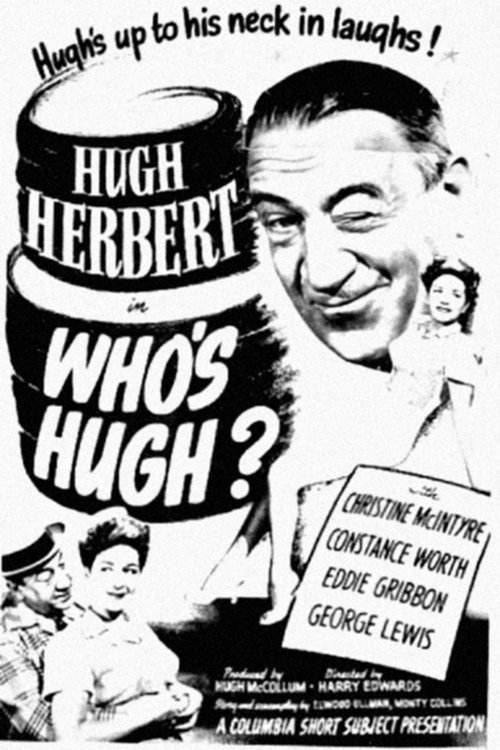
While in a nightclub, Hugh doesn't recognize his wife, who has recently changed her hair color to blonde.
1946
1944
1928

1940
1944
1946
1943
1943
No reviews yet. Be the first to share your thoughts on this movie!
Use the rating form above to leave a star rating and optional review.