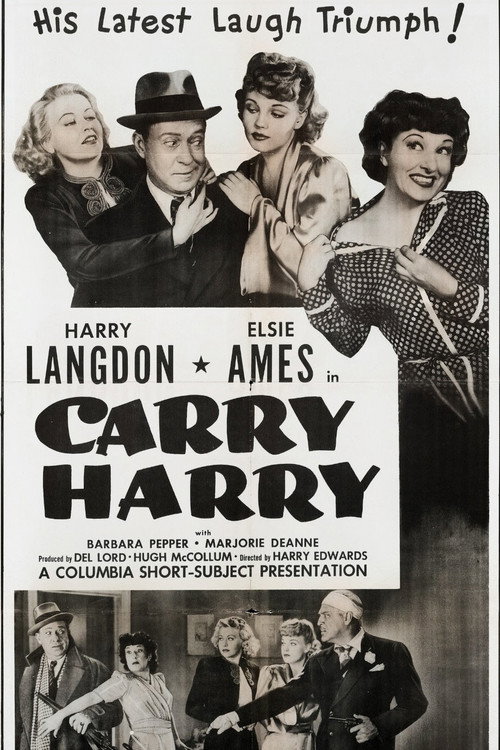
Carry Harry
1942
No user ratings available yet
Representation score: 0.4 out of 10
No Poster Available
Representation Score
Minimal
1944
ApprovedDirector
Harry Edwards
Runtime
16 minutes
Average Rating
No ratings yetNew Showbiz Analysis
Strife of the Party is a product of its time, strictly following the comedic styles of the mid-1940s. The narrative centers on domestic stability and traditional social hierarchies, avoiding any subversion or storytelling that reflects multiple aspects of identity. The film’s focus on a central female character does not translate to progressive gender empowerment, as the plot remains tied to male-centric social structures. Additionally, the absence of diverse casting or cultural critique indicates a homogeneous production. Overall, Strife of the Party operates as a conventional domestic comedy that upholds the societal norms of its era rather than challenging them.
Category Breakdown
The film does not include any representation of LGBTQ+ identities or non-binary gender roles. It focuses on domestic misunderstandings that reinforce the idea that everyone is straight and cisgender.
Vera Vague is the main comedic character, but her role is centered around her relationships within a male-dominated social structure. She does not have much independence outside of her interactions with others.
The film does not show any signs of diverse ethnic backgrounds or casting actors from different racial backgrounds. It follows the typical Anglo-Saxon demographics of mid-century American comedies.
The story emphasizes the social norms and etiquette of mid-century Western communities. It upholds traditional community standards without questioning them.
There is no mention of characters with physical or cognitive differences. The film does not provide enough information to assess its portrayal of disabilities.
Present on Screen
Limited or Absent
Official Synopsis
Vera Vague (Barbara Jo Allen) locks herself in her garage and has to be freed by her neighbor. Later, she discovers that the wife of her husband's boss has lost a necklace, and Vera suspects the neighbor.
1942
1942
1945
1944
1946
1945
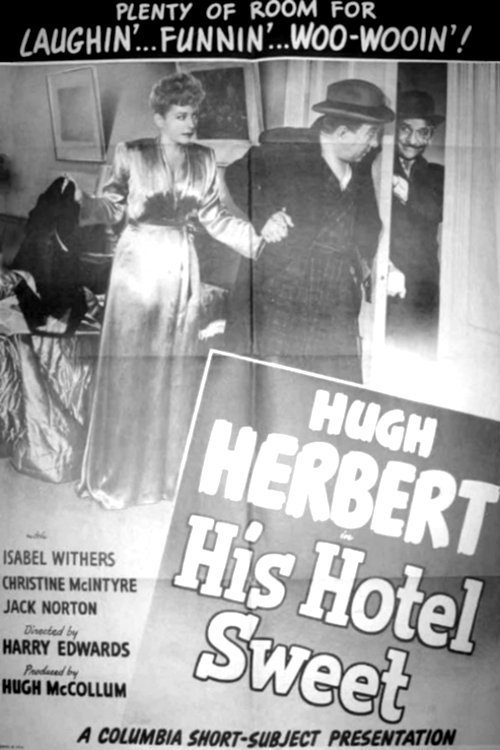
1944
1943
No reviews yet. Be the first to share your thoughts on this movie!
Use the rating form above to leave a star rating and optional review.