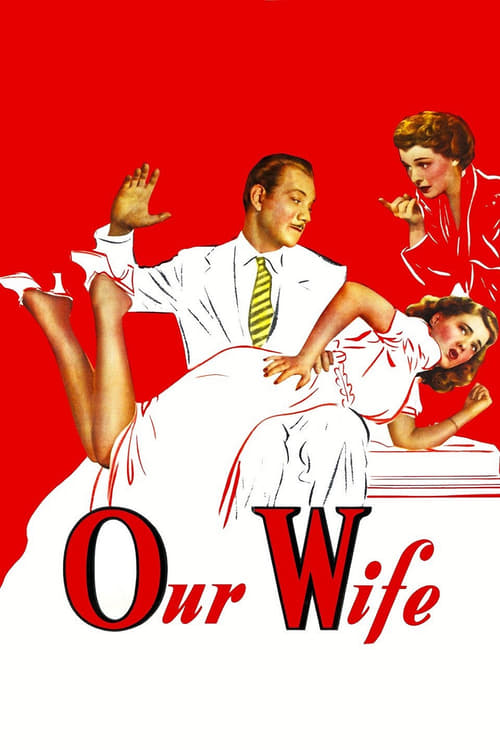
Reno-Vated
1946
No user ratings available yet
Representation score: 0.6 out of 10
Representation Score
Fair
1941
ApprovedDirector
John M. Stahl
Runtime
92 minutes
Average Rating
No ratings yetNew Showbiz Analysis
Our Wife operates within the conventional social hierarchies and moral frameworks of the 1940s, adhering to the standard romantic comedy structure. The narrative focuses on a musician's romantic pursuit and domestic reconciliation, following traditional clichés and social norms. The film does not disrupt or subvert established norms, instead relying on familiar patterns that prioritize traditional relationships and Western-centric social structures. Ultimately, it reflects the cinematic conventions of the mid-20th century, emphasizing romantic stability and established social roles.
Category Breakdown
The film does not include any non-straight or non-cisgender identities. The story focuses on traditional romantic relationships and gender roles common in the 1940s.
The plot revolves around a woman trying to win back her husband, which emphasizes traditional romantic competition. Her actions are largely defined by her relationship to the man’s success and stability.
The film depicts a predominantly white, middle-class society typical of its time. There is no indication of diverse casting or characters from different racial backgrounds.
The story centers on individual romantic success within traditional social structures. It aligns with mid-century ideals of romantic fulfillment rather than challenging Western cultural norms.
There are no characters with visible or invisible disabilities in the film. Disability is not a key part of the story.
Present on Screen
Limited or Absent
Official Synopsis
A musician's ex-wife wants him back after he finds love and success.
1946
1938
1937
1933
1934
1948
1941
1934
No reviews yet. Be the first to share your thoughts on this movie!
Use the rating form above to leave a star rating and optional review.