Black Eyes and Blues
1941
No user ratings available yet
Representation score: 0.3 out of 10
Representation Score
Minimal
1943
ApprovedDirector
Harry Edwards
Runtime
18 minutes
Average Rating
No ratings yetNew Showbiz Analysis
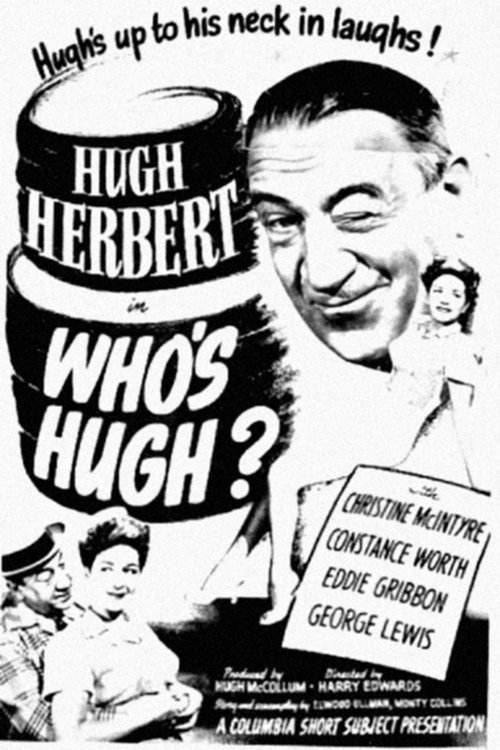
Who's Hugh? functions as a typical mid-century domestic comedy. The plot follows a traditional trajectory where a husband attempts to prevent his wife from finalizing a divorce, aiming to restore the existing domestic order. While the wife's decision to relocate to Palm Springs offers a glimpse of women's ability to drive the story, the narrative ultimately leans toward reinforcing conventional social bonds. The film reflects the era's preoccupation with maintaining the sanctity of the nuclear family. Without evidence of multi-layered casting or subversive themes, the work remains a product of its historical period, focusing on traditional marital dynamics.
Category Breakdown
The film does not include any characters with non-straight sexual orientations or non-cisgender identities. The central conflict revolves around a heterosexual marriage and the effort to reconcile.
The wife initiates a divorce and seeks independence by moving to Palm Springs. However, the plot centers on the husband's efforts to restore traditional marital hierarchies.
No specific casting details are available, but the 1943 production context suggests a likely homogeneous cast. There is no evidence of diverse racial representation.
The story operates within traditional Western social structures, emphasizing the preservation of the nuclear family and conventional social stability.
There is no mention of characters navigating physical, sensory, or neurodivergent experiences within the narrative.
Present on Screen
Limited or Absent
Official Synopsis
Hugh's wife goes to Palm Springs to file for a divorce, and Hugh follows her to try to talk her out of it.
1941

1934

1934

1948

1938

1939
1946

1942
No reviews yet. Be the first to share your thoughts on this movie!
Use the rating form above to leave a star rating and optional review.