
Van Gogh
1991
No user ratings available yet
Representation score: 2.7 out of 10
Representation Score
Fair
1987
Director
Paul Cox
Runtime
105 minutes
Average Rating
No ratings yetNew Showbiz Analysis
Paul Cox's animation is a focused biographical work that delves into psychological complexity rather than broad demographic representation. By presenting masculinity as sensitive and vulnerable, it challenges conventional masculine stereotypes. However, the film's adherence to a historically homogeneous cast and a traditional family structure limits its broader impact. The narrative remains firmly grounded in the social realities of the 19th century. Overall, the film excels in its respectful treatment of mental health but falls short in representing diverse racial and gendered perspectives.
Category Breakdown
The film highlights the strong bond between Vincent and Theo, focusing on their emotional connection without explicitly addressing queer themes or challenging assumptions about straight relationships.
The story centers around the male perspective, emphasizing the protagonist's vulnerabilities. Female characters play important roles but are primarily portrayed as catalysts for the male protagonist's emotional journey rather than as individuals with their own goals and motivations.
The film features a predominantly white cast reflecting the historical context of 19th-century France. It stays true to the period's social dynamics.
The story emphasizes the artist's personal truth and inner experiences rather than institutional or religious authority. It serves more as a character study than a broader sociopolitical critique.
The film provides a thoughtful look at neurodivergence and mental health issues. It portrays Vincent's psychological struggles with respect and dignity, integrating them into his creative process.
Present on Screen
Limited or Absent
Official Synopsis
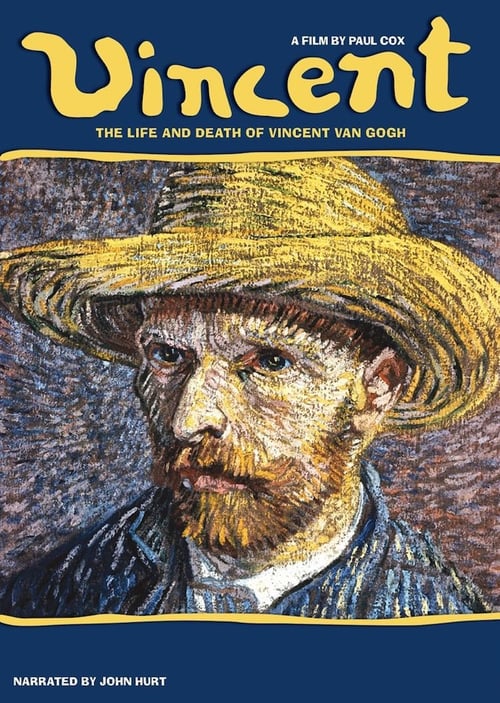
A biography of Vincent van Gogh using only images and the letters he wrote to his brother Theo.
1991

2011

2019

2017
1990
2007

2016

2009
No reviews yet. Be the first to share your thoughts on this movie!
Use the rating form above to leave a star rating and optional review.