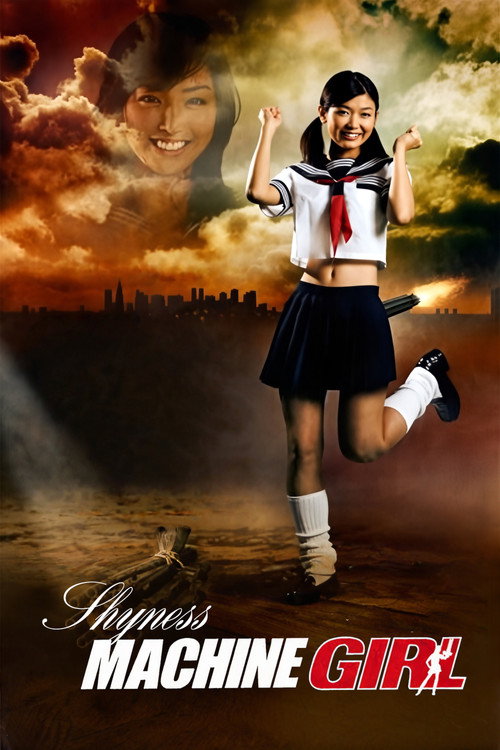
Shyness Machine Girl
2009
No user ratings available yet
Representation score: 7.7 out of 10
Representation Score
Good
2008
Not RatedDirector
Noboru Iguchi
Runtime
96 minutes
Average Rating
No ratings yetNew Showbiz Analysis
The film operates within the extreme aesthetics of Japanese splatter exploitation, prioritizing genre subversion over social commentary. It lacks broad diversity but disrupts conventional gender power dynamics through hyper-violence. While the cast is ethnically homogeneous and lacks queer representation, the protagonist's journey provides a unique form of empowerment. The narrative replaces the 'damsel in distress' cliché with a mechanically augmented force of kinetic violence. Ultimately, the work uses body horror to explore themes of reclamation and individual empowerment. It challenges societal structures by centering a revenge fantasy that bypasses traditional moral or legal frameworks.
Category Breakdown
The film does not include any documented LGBTQ+ characters or non-straight relationships. The story focuses solely on the protagonist's physical transformation and her quest for vengeance.
The narrative challenges traditional gender roles by showing a female lead with superior combat skills. Takemura transitions from a vulnerable state to one of absolute physical dominance and narrative control.
The film features a predominantly Japanese cast set in a localized urban environment. It emphasizes cultural specificity rather than a diverse ethnic mix.
The story presents lethal, anti-social violence as a form of personal justice and liberation. It challenges traditional legal systems by depicting vigilantism as a powerful response to trauma.
Limb loss serves as the central plot driver and catalyst for the protagonist's transformation. The integration of technology offers a violent reinterpretation of bodily autonomy and control.
Present on Screen
Limited or Absent
Official Synopsis
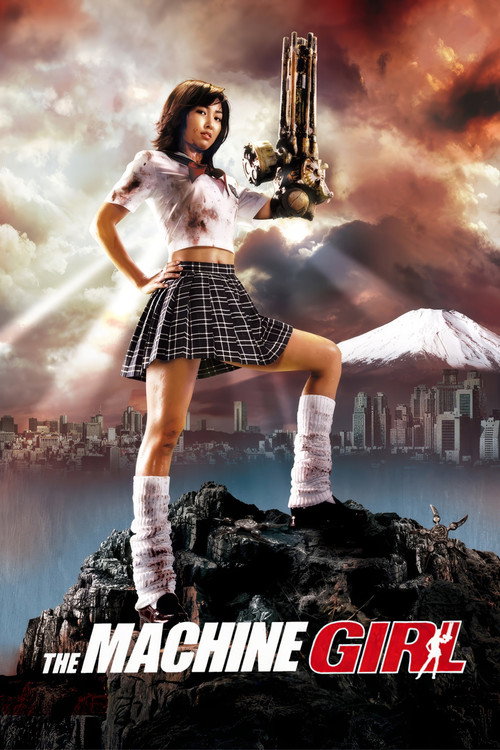
The life of a young, Japanese schoolgirl is destroyed when her family is killed by a Ninja-Yakuza family. Her hand cut off, she replaces it with various machines-of-death, and seeks revenge.
2009

2007

2009
1992

2012
2011

2009
1997
No reviews yet. Be the first to share your thoughts on this movie!
Use the rating form above to leave a star rating and optional review.