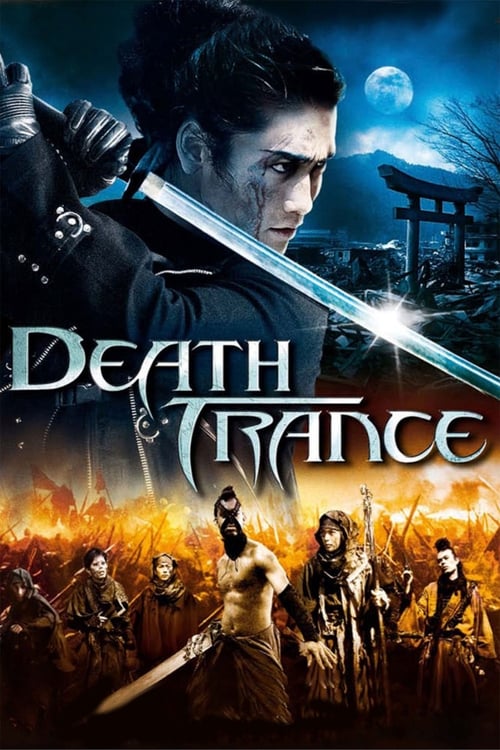
Death Trance
2005
No user ratings available yet
Representation score: 1.5 out of 10
Representation Score
Limited
2011
TV-14Director
Tak Sakaguchi, Yudai Yamaguchi
Runtime
105 minutes
Average Rating
No ratings yetNew Showbiz Analysis
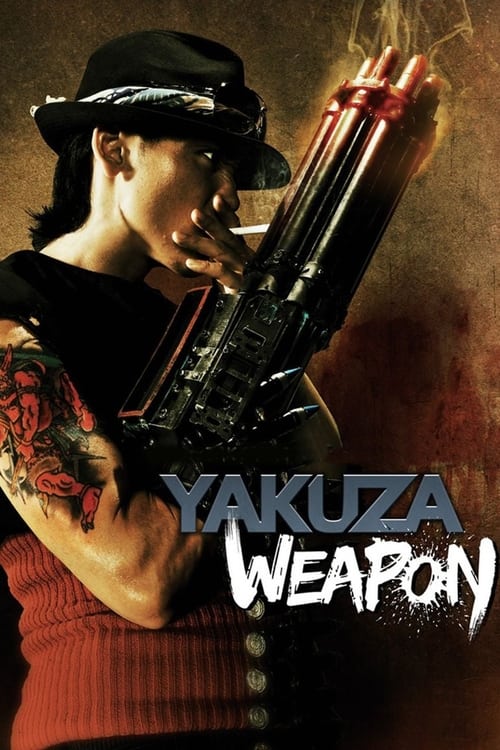
Yakuza Weapon is a hyper-stylized action film that emphasizes kinetic spectacle and martial choreography over social commentary. The narrative is centered around traditional male clichés and a localized setting that engages minimally with diverse identities. While the film employs postmodern, hyper-violent aesthetics, it does not use these elements to challenge social hierarchies. The focus remains on the individual's capacity for combat and revenge within a specialized cinematic niche. Ultimately, the film operates as a genre exercise. It lacks nuanced representation and does not engage with systemic social critiques, focusing instead on the visceral storytelling of a personal vendetta.
Category Breakdown
The film does not include any LGBTQ+ characters or explore non-straight relationships. It centers on physical conflict within a traditional action-thriller format.
The story is dominated by male characters, emphasizing hyper-masculine combat and physical strength. Female characters have minor roles and do not significantly influence the plot.
The cast is primarily Japanese, reflecting the local setting. While it avoids whitewashing, it does not aim to disrupt ethnic homogeneity or promote color-blind casting.
The film delves into a morally ambiguous underground world but does not critically examine religion or capitalism. It serves as a genre exercise focused on survival rather than ideological critique.
The protagonist's limbs are replaced with heavy weaponry, but these are treated as sci-fi gadgets. The film portrays these changes through technological empowerment rather than addressing lived experiences.
Present on Screen
Limited or Absent
Official Synopsis
After four years overseas, Shozo returns to Japan to avenge his yakuza boss who was assassinated by his own treacherous top man, Kurawaki. The resulting battle leaves both men severely injured, and Shozo awakens in a mysterious medical facility to find his arm replaced with an M61 Vulcan cannon and his leg replaced with a rocket launcher. Meanwhile, Kurawaki has been fitted with mechanical augmentations of his own. Get ready for the second round.
2005
1992
1997
2014
2004

1990

2007
2009
No reviews yet. Be the first to share your thoughts on this movie!
Use the rating form above to leave a star rating and optional review.