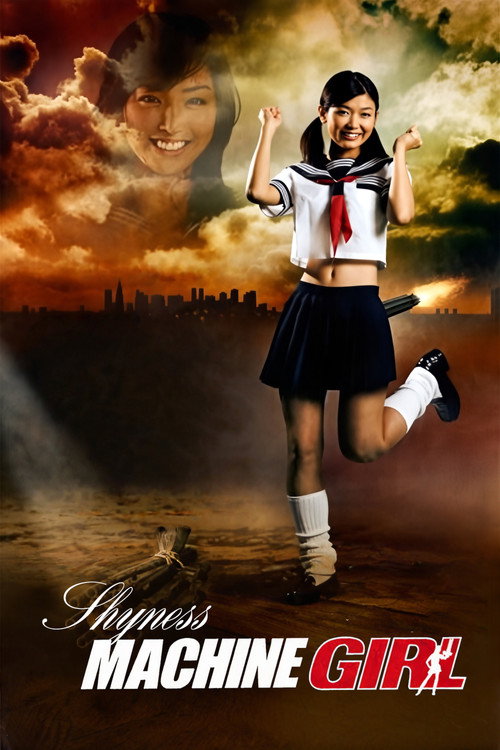
Shyness Machine Girl
2009
No user ratings available yet
Representation score: 7.7 out of 10

Representation Score
Fair
2009
TV-MADirector
Noboru Iguchi
Runtime
102 minutes
Average Rating
No ratings yetNew Showbiz Analysis
RoboGeisha is a genre-defying work of postmodernism that prioritizes aesthetic disruption over social representation. While it grants female characters combat roles, the heavy reliance on hyper-sexualized exploitation clichés limits its impact on gender diversity. The film's primary contribution lies in blending traditional Japanese cultural motifs with science fiction. However, it lacks the intentionality required to address multiple aspects of identity or provide a meaningful critique of systemic social structures. Ultimately, the film functions as a stylized exercise in body horror and 'splatterstick' absurdity, focusing on spectacle rather than nuanced social commentary.
Category Breakdown
The film does not include any noticeable stories about non-straight or non-cisgender identities. The character interactions focus on mechanical changes rather than exploring queer theories or questioning the assumption that everyone is straight or cisgender.
Female characters Yoshie and Kikue have significant physical strength and play key roles in combat. However, the film uses hyper-sexualized exploitation clichés, which creates a tension between their roles as warriors and their objectified presentation.
The film features a predominantly Japanese cast and uses traditional Geisha motifs. It reinterprets these ethnic aesthetics through a futuristic, cyberpunk lens rather than pursuing diverse casting that reflects multiple aspects of identity.
The narrative focuses on a surreal, lawless cyberpunk environment. It serves as a genre exercise in postmodern pastiche rather than offering a critique of religion, capitalism, or systemic power structures.
Cyborg transformations explore themes of bodily autonomy and physical change. These changes serve as plot devices for hyper-violence and spectacle rather than providing nuanced depictions of lived disability experiences.
Present on Screen
Limited or Absent
Official Synopsis
Sisters Yoshie and Kikue are two Geisha who are abducted by a mysterious organization to be transformed into murderous cyborg assassins.
2009
1992

2012
2007
2008

2009

2012

2008
No reviews yet. Be the first to share your thoughts on this movie!
Use the rating form above to leave a star rating and optional review.