
Yakuza Weapon
2011
No user ratings available yet
Representation score: 3.0 out of 10
Representation Score
Good
1997
Director
Takashi Miike
Runtime
102 minutes
Average Rating
No ratings yetNew Showbiz Analysis
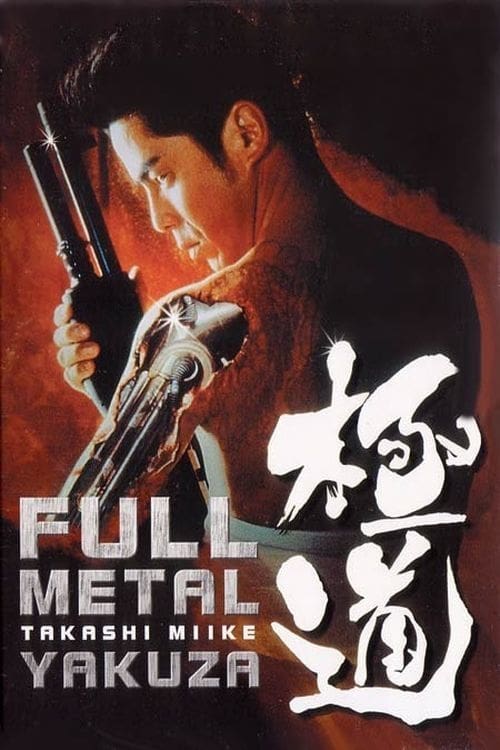
Full Metal Yakuza uses the transgressive lens of body horror to explore identity and social disruption. By transforming a murdered man into a cyborg, the film examines the boundaries of the self beyond traditional demographic representation. The narrative excels at using speculative fiction to critique social structures and the concept of biological purity. It provides a unique perspective on physical alteration, granting the protagonist ability to act through his mechanical reconstruction. However, the film remains limited by its focus on traditional male clichés of vengeance. It lacks explicit representation of LGBTQ+ identities or diverse ethnic casting, relying instead on metaphorical 'otherness' through science fiction.
Category Breakdown
The film focuses on vengeance and body horror rather than explicit LGBTQ+ identities. While the protagonist's transformation into a cyborg blurs biological boundaries, there is no depiction of same-sex intimacy or specific LGBTQ+ character arcs.
The story centers on a male protagonist's journey of retribution. While the sci-fi elements challenge traditional masculine archetypes through his loss of humanity, the plot remains anchored in male clichés of violence.
The cast is ethnically homogeneous, centering on Japanese Yakuza subculture. However, the protagonist's transformation into a hybrid entity serves as a metaphor for challenging notions of pure or natural identity.
The narrative critiques institutional stability by framing rebirth through a mad scientist and gang violence. It rejects traditional legal or religious codes in favor of a chaotic, subjective morality.
The protagonist's transition to a robot-human hybrid explores neuro-mechanical integration. The film treats his altered physical state as a source of power and ability to act rather than a deficit to be cured.
Present on Screen
Limited or Absent
Official Synopsis
After being brutally murdered in a gangster-style execution, Kensuke Hagane finds himself brought back to life by a mad scientist and rebuilt as a robot-human hybrid with a serious thirst for vengeance and the tools to carry it out.
2011
1992

2004

2000
2010
2002

2008

1999
No reviews yet. Be the first to share your thoughts on this movie!
Use the rating form above to leave a star rating and optional review.