
Sukeban Boy
2006
No user ratings available yet
Representation score: 5.8 out of 10
Representation Score
Fair
2012
Director
Noboru Iguchi
Runtime
8 minutes
Average Rating
No ratings yetNew Showbiz Analysis
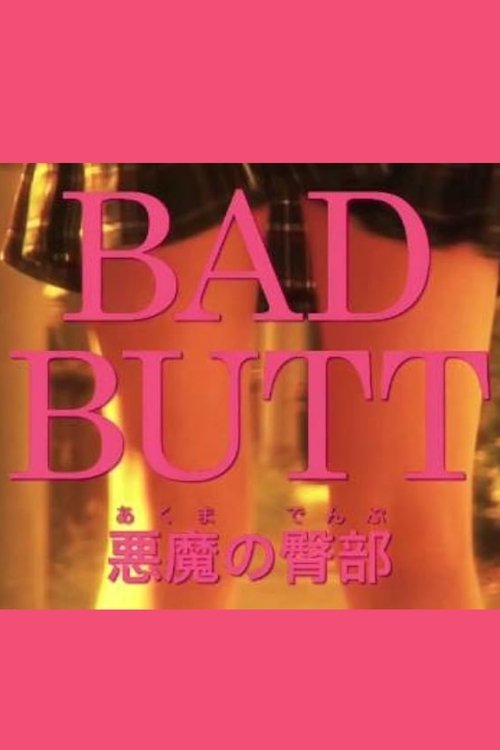
Noboru Iguchi’s *Bad Butt* is a work of cult cinema that prioritizes genre-specific subversion over social commentary. It uses the 'ero-guro' tradition to deconstruct bodily sanctity, but this disruption is rooted in surrealist horror rather than progressive representation. The film's focus on physical abnormality and grotesque sexuality serves the splatter aesthetic. While it challenges traditional social decorum and biological norms, it does not intentionally engage with systemic identity politics or demographic diversity. Ultimately, the film functions as a culturally specific piece of Japanese media. It explores the boundaries of the human form through absurdity, but lacks the nuanced development required for meaningful representation of underrepresented identities.
Category Breakdown
The film does not explicitly depict LGBTQ+ identities or narratives. However, it includes elements that disrupt traditional romantic structures through absurdist horror, rather than through intentional queer identity politics.
Gender roles are portrayed through exaggerated caricatures and surreal explorations. While the film challenges traditional ideas of femininity, the characters often have limited control over their actions, serving mainly as vessels for physical dysfunction.
The film features a predominantly homogeneous Japanese cast set in a contemporary context. There is no significant inclusion of diverse ethnic identities.
The narrative challenges social norms through absurdity and grotesque behavior. However, it lacks a specific ideological framework to deepen its critique of societal order.
Physical differences are treated as sites of horror and slapstick humor. While the film explores bodily otherness, it focuses on the grotesque rather than offering nuanced representations of lived experiences.
Present on Screen
Limited or Absent
Official Synopsis
The story of a high school girl and a certain part of her body that has turned into a monster. A horrifying and erotic story from the mad mind of Noboru Iguchi (THE MACHINE GIRL, KARATE ROBO-ZABORGAR).
2006
2007
2014

2008
2004
2009
2008

2009
No reviews yet. Be the first to share your thoughts on this movie!
Use the rating form above to leave a star rating and optional review.