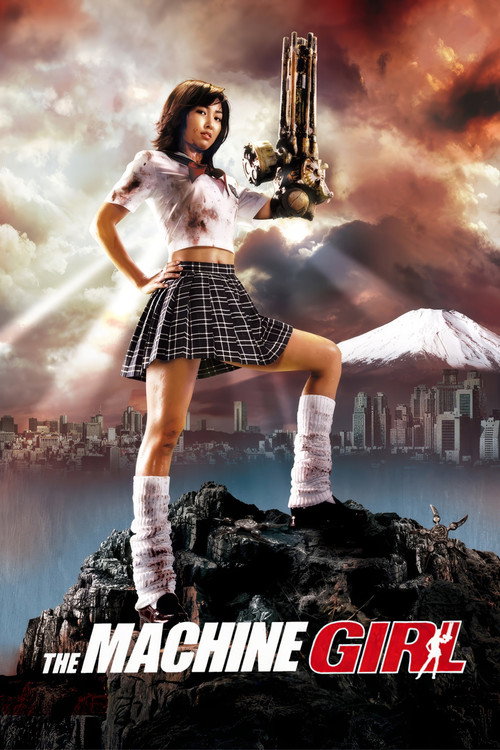
The Machine Girl
2008
No user ratings available yet
Representation score: 6.4 out of 10
Representation Score
Good
2009
Director
Noboru Iguchi
Runtime
22 minutes
Average Rating
No ratings yetNew Showbiz Analysis
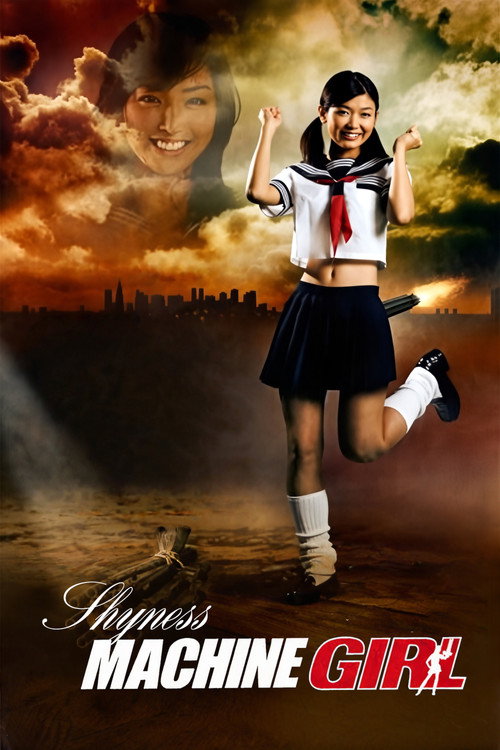
Shyness Machine Girl (2009) is a transgressive genre piece that excels in subverting gender norms. By transforming female characters into hyper-violent, augmented agents, it rejects traditional depictions of femininity and the 'damsel in distress' archetype. However, the film remains culturally and racially homogeneous, reflecting its specific Japanese production context without broader multi-layered reach. The lack of explicit LGBTQ+ identities also keeps that metric in a moderate range. Ultimately, the film's strength lies in its exploration of bodily autonomy and individual ability to act. It uses stylized physical transformations to challenge conventional social and physical limitations.
Category Breakdown
The film emphasizes female-centric violence and bodily autonomy rather than explicit same-sex relationships. While it avoids traditional damsel-in-distress clichés, it doesn't clearly depict same-sex intimacy or diverse gender identities.
The narrative disrupts traditional gender hierarchies by centering female protagonists as technologically enhanced agents of vengeance. It highlights female strength, often portraying male antagonists as targets for overwhelming female retribution.
As a Japanese production, the cast is largely uniform. While it avoids Western-centric racial hierarchies, the lack of multi-layered racial diversity limits the scope of representation.
The story critiques traditional social order through vigilante empowerment and moral relativism. It prioritizes individual ability to act and survival over established religious or cultural cohesion through its focus on mechanical modification.
Themes of cyborg existence and radical physical modification can be viewed through the lens of disability. Characters transform perceived physical limitations into sources of superhuman ability to act to navigate a hostile world.
Present on Screen
Limited or Absent
Official Synopsis
Ami's friend, Yoshie, was murdered and desecrated by the Kimura Gang. She was saved and, like Ami in the previous film, received modifications from the same mechanics. Remembering her past, Yoshie decides to avenge herself and Ami.
2008
1992

2009

2012

2009

2012
1997
2018
No reviews yet. Be the first to share your thoughts on this movie!
Use the rating form above to leave a star rating and optional review.