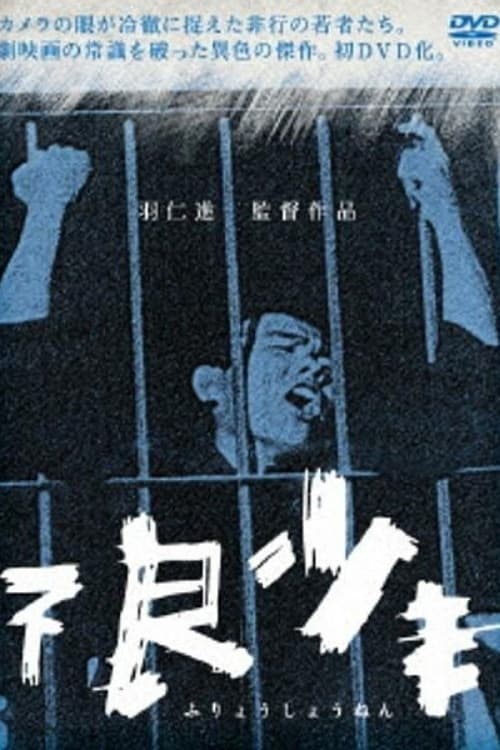
Bad Boys
1961
No user ratings available yet
Diversity score: 3.8 out of 10

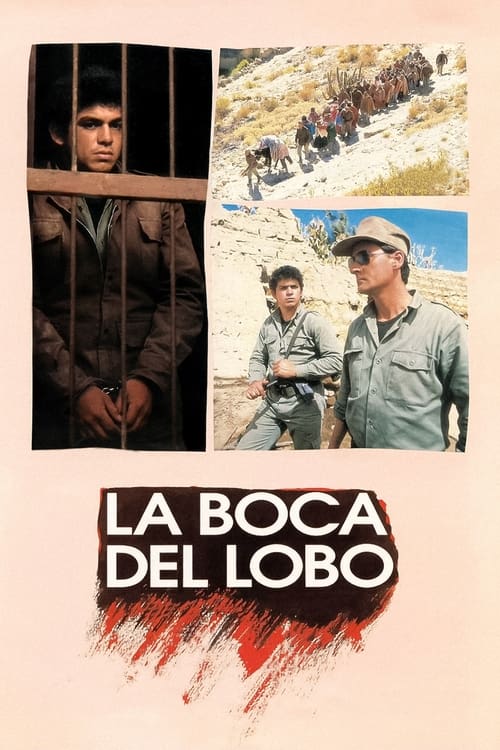
1985
UnratedDirector
Francisco J. Lombardi
Runtime
135 minutes
Average Rating
No ratings yetSynopsis
Four angry cadets have formed an inner circle in an attempt to beat the system and ward off the boredom and stifling confinement of the military academy, set off a chain of events that starts with a theft and leads to murder.
Overall Score
Fair
Category Breakdown
LGBTQ+ Representation
The film operates within a strictly heteronormative, all-male environment. There is no explicit depiction of non-cisnormative identities or same-sex intimacy.
Gender Representation
The narrative is centered entirely on a male-dominated hierarchy. Women are largely absent from the primary setting, focusing instead on the toxicity of masculine structures.
Racial & Ethnic Diversity
The cast reflects the demographic reality of 1980s Peru with a predominantly Mestizo ensemble. It uses diverse socioeconomic backgrounds to highlight class friction within the academy.
Religious & Cultural Diversity
The film excels by critiquing traditional Western-style institutions and disrupting patriotic myths. It portrays the academy as a corrupt microcosm of state authority.
Disability Representation
There is no significant focus on visible or invisible disabilities. Psychological trauma is presented as a byproduct of systemic cruelty rather than a lived identity.
Strengths
Areas for Improvement
AI Analysis
The film is a profound institutional critique that deconstructs state power through the lens of a Peruvian military academy. It succeeds by challenging nationalistic myths and exploring the friction between individual agency and systemic corruption. However, the setting limits demographic breadth. The all-male environment results in low scores for gender and LGBTQ+ representation, as the narrative focuses almost exclusively on hyper-masculine conflict. Ultimately, the work finds its strength in cultural and socioeconomic complexity. It uses the varied backgrounds of the cadets to provide a sophisticated look at class and institutional decay.
1961
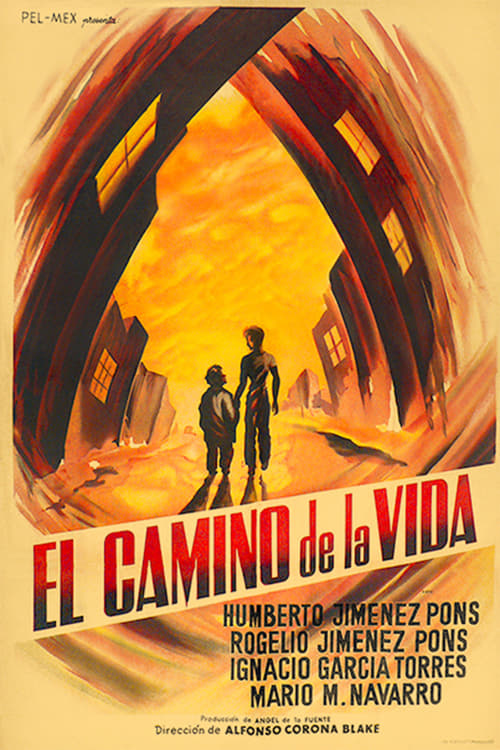
1956
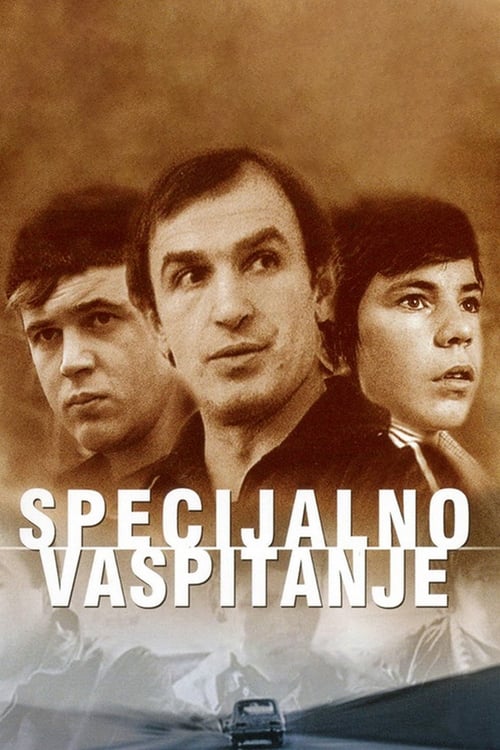
1977
1988

1986

1994
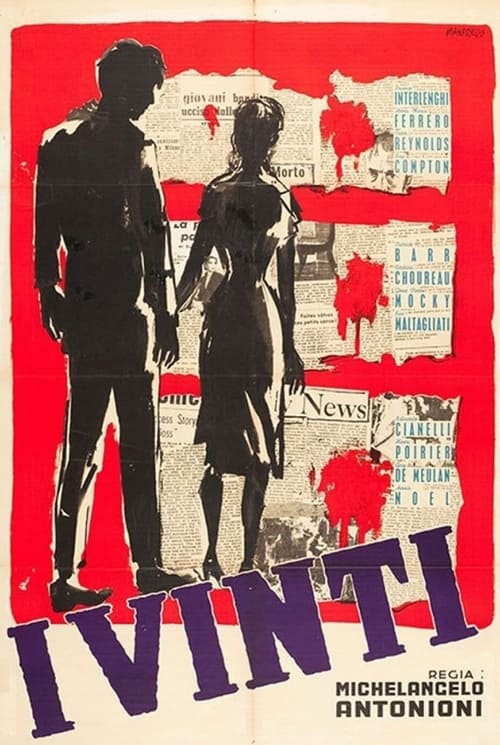
1953
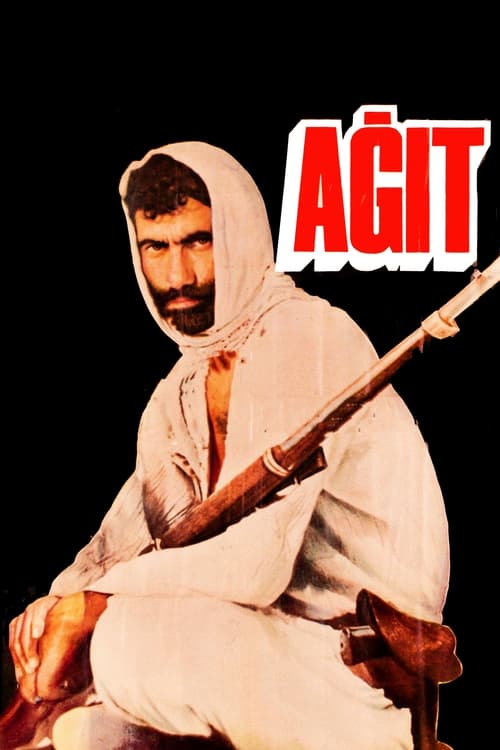
1972

1996
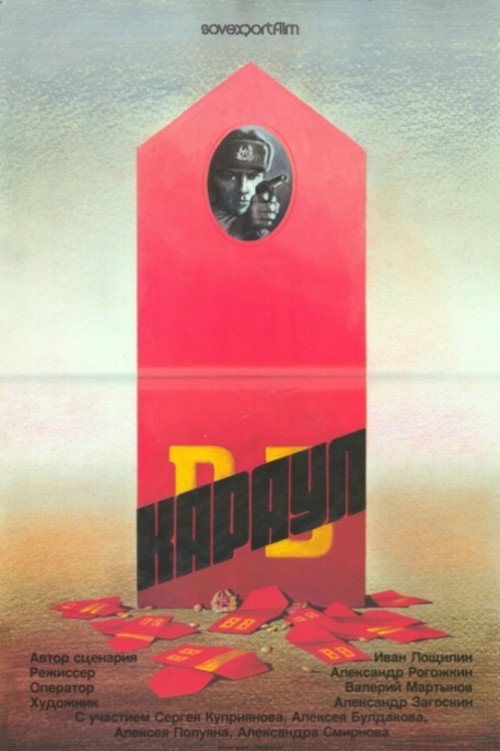
1990
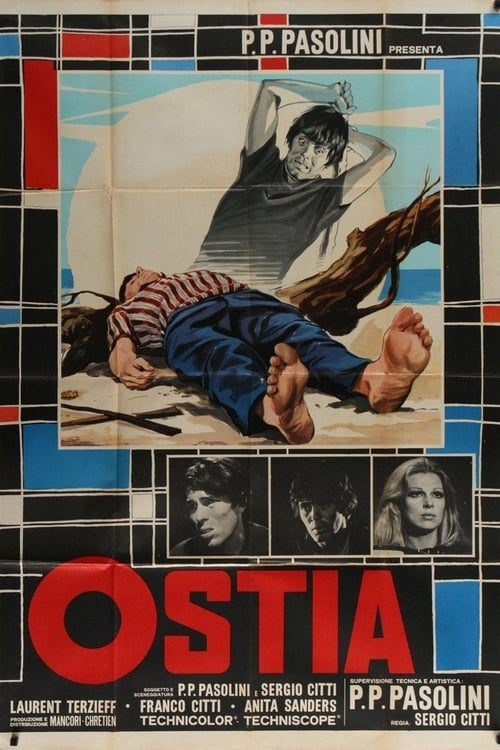
1970

2020
No reviews yet. Be the first to share your thoughts on this movie!
Use the rating form above to leave a star rating and optional review.