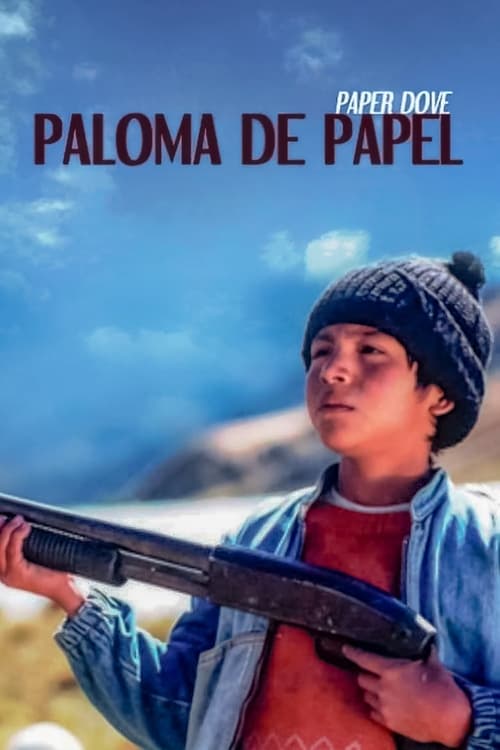
Paper Dove
2003
No user ratings available yet
Representation score: 6.0 out of 10
Representation Score
Fair
1988
TV-MADirector
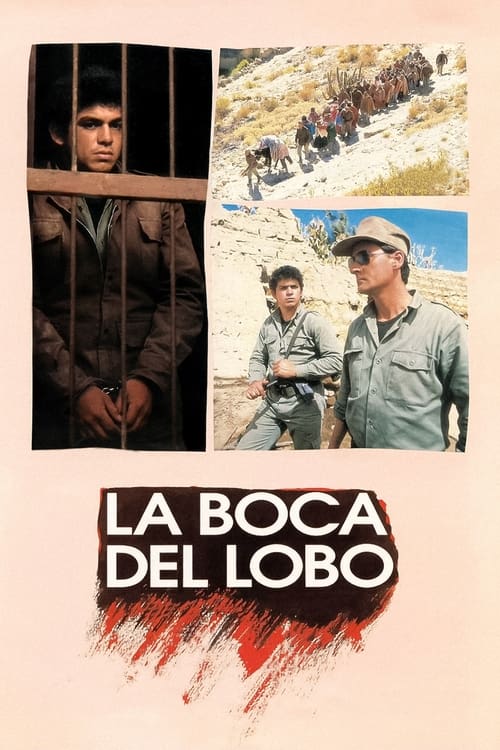
Francisco J. Lombardi
Runtime
123 minutes
Average Rating
No ratings yetNew Showbiz Analysis
Mouth of the Wolf is a sophisticated exploration of psychological attrition and systemic violence. It dismantles the heroic soldier myth, focusing instead on the moral decay caused by institutional warfare. Though the film lacks diverse representation of LGBTQ+ identities, it offers substantial social commentary through its critique of state power. By focusing on specific ethnic and class tensions in Peru, it transcends conventional war narratives. Ultimately, the film’s strength lies in its refusal to offer simple solutions, compelling viewers to grapple with the ethical complexities between state law and personal conscience.
Category Breakdown
The film highlights a hyper-masculine military setting where LGBTQ+ identities are not explicitly represented, reflecting the rigid stereotypes typical of wartime dramas.
The story unfolds within a patriarchal military structure, challenging traditional gender roles by depicting the commanding officer as a destructive figure rather than a protector.
The narrative explores tensions between the state military and indigenous rural populations, emphasizing the empowerment of underrepresented communities within the context of the Peruvian conflict.
The film critically examines institutional power and state-driven nationalism, prioritizing the survival of the village community over the corrupt directives of the military.
There is no significant depiction of physical or neurodivergent disabilities in the narrative.
Present on Screen
Limited or Absent
Official Synopsis
The military anti-terrorist army takes control of "Chuspi", an unknown and faraway small village, isolated by the terrorist group "Sendero Luminoso" (Shining Path). A soldier called Vitin Luna, and other young soldiers face an invisible, perhaps superior force. Their unit is commanded by a brutal lieutenant who declares the entire village guilty of treason. In the face of this crisis, Vitin must choose between blind obedience and his own conscience.
2003

2011
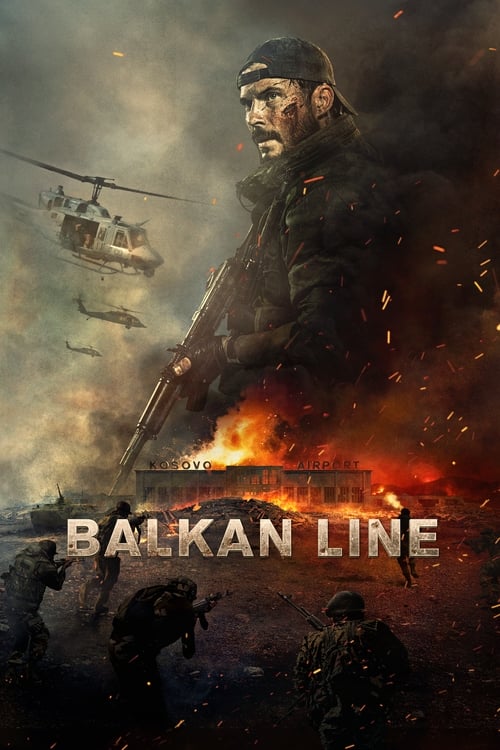
2019
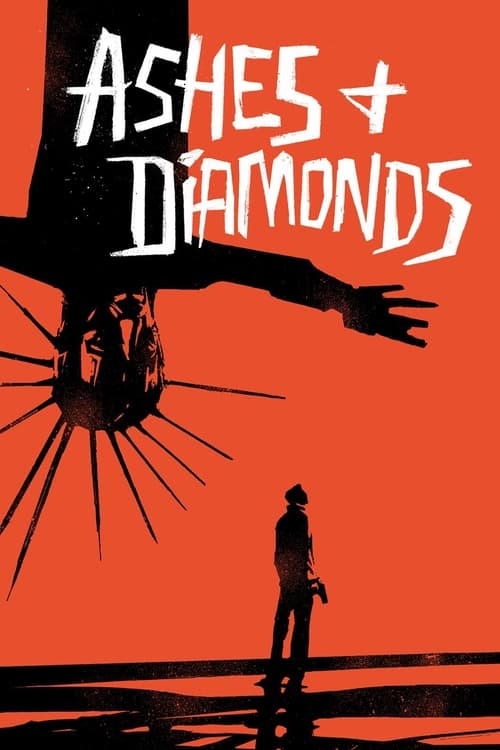
1958
1985
1965
2005
1988
No reviews yet. Be the first to share your thoughts on this movie!
Use the rating form above to leave a star rating and optional review.