Chekist
1992
No user ratings available yet
Diversity score: 3.8 out of 10
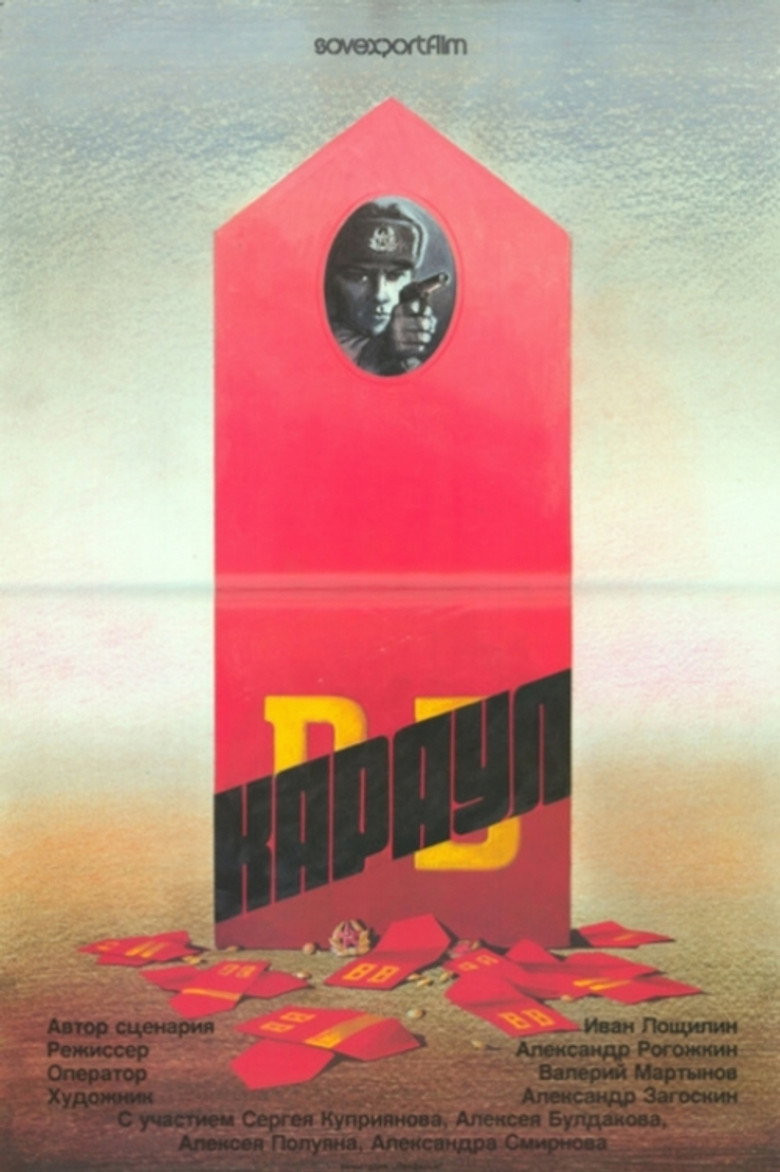
1990
Director
Aleksandr Rogozhkin
Runtime
96 minutes
Average Rating
No ratings yetSynopsis
Young soldiers in the Soviet Internal Troops are subjected to systematic abuse during their dedovshchina (hazing). The plot unfolds primarily aboard a prisoner transport rail car guarded by a unit of paramilitary conscripts.
Overall Score
Limited
Category Breakdown
LGBTQ+ Representation
The film lacks explicit LGBTQ+ characters or narratives. It operates within a rigid, hyper-masculine military environment that adheres to strict heteronormative codes.
Gender Representation
The story is centered on male-dominated spaces and paramilitary conscripts. It reinforces traditional patriarchal hierarchies through the power dynamics between soldiers and prisoners.
Racial & Ethnic Diversity
The cast reflects the multi-ethnic reality of the late-Soviet era, featuring Slavic and Central Asian backgrounds. This diversity serves as a microcosm of the Soviet Union's ethnic tapestry.
Religious & Cultural Diversity
The film follows a secular, state-centric worldview typical of late-Soviet social realism. It critiques internal systemic failures rather than engaging in modern political or religious debates.
Disability Representation
There is no significant focus on physical or neurodivergent disabilities. Character struggles are primarily centered on psychological trauma and systemic institutional abuse.
Strengths
Areas for Improvement
AI Analysis
The Guard is a gritty social drama that prioritizes the deconstruction of institutional abuse over identity politics. Its primary focus is the psychological toll of military hazing and systemic cruelty. While the film achieves moderate ethnic diversity by reflecting the multi-ethnic composition of the Soviet Union, it remains anchored in traditional masculine hierarchies. The narrative environment is heavily male-dominated and lacks representation of LGBTQ+ identities or disabilities. Ultimately, the film's value lies in its unflinching look at institutional dysfunction rather than its demographic breadth.
1992

2019
1987

1989
1977
2012

1983
1983

2012
1997
1990

2008
No reviews yet. Be the first to share your thoughts on this movie!
Use the rating form above to leave a star rating and optional review.