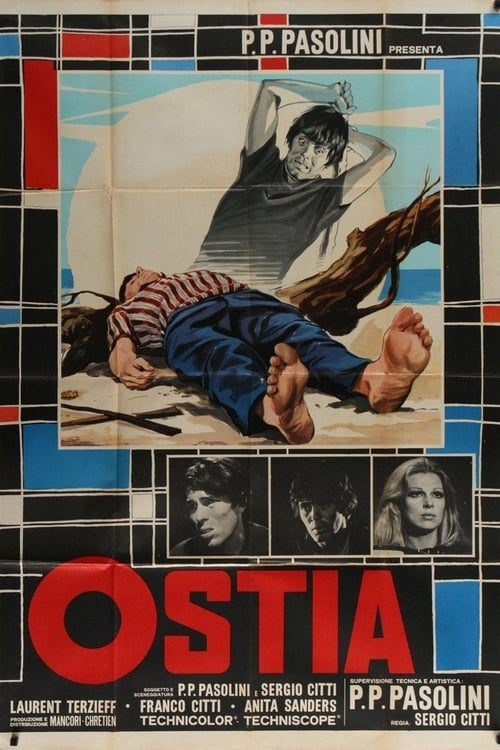
Ostia
1970
No user ratings available yet
Diversity score: 4.1 out of 10
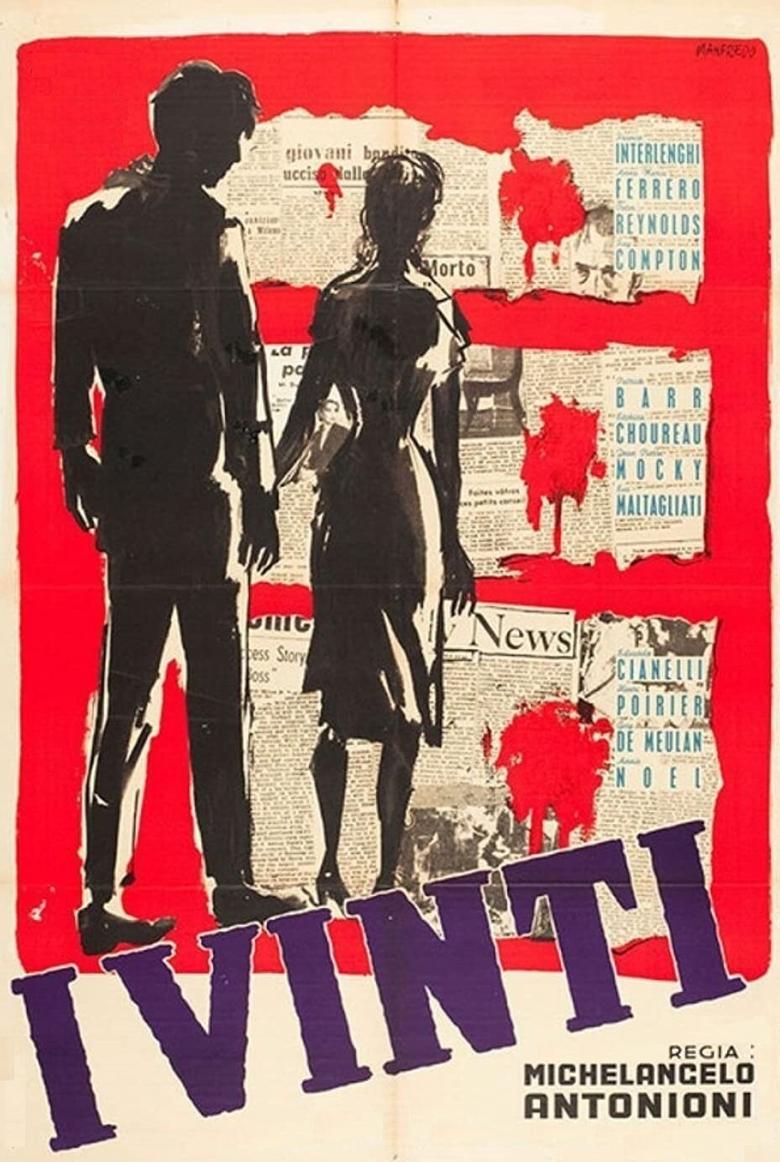
1953
Director
Michelangelo Antonioni
Runtime
113 minutes
Average Rating
No ratings yetSynopsis
A trilogy of stories of well-off youths who commit murders. In the French episode, a group of high school students kill one of their colleagues for his money. In the Italian episode, a university student's involved in smuggling cigarettes. In the English episode, a lazy poet finds the body of a woman on the downs, and tries to sell his story to the press.
Overall Score
Limited
Category Breakdown
LGBTQ+ Representation
The film lacks explicit depictions of LGBTQ+ identities or same-sex intimacy. The narrative focus on individual isolation precludes the development of queer-coded subplots.
Gender Representation
Gender is portrayed through a lens of shared existential detachment rather than empowerment. While it avoids traditional masculine leadership, it lacks high-agency female characters.
Racial & Ethnic Diversity
The cast reflects the Italian setting and post-war demographic realities. The film prioritizes the shared human condition of displacement over intentional racial blending.
Religious & Cultural Diversity
The film excels by depicting the collapse of religious and familial certainties. It explores a landscape defined by moral relativism and existential nihilism.
Disability Representation
There are no prominent depictions of physical or neurodivergent disabilities. Character struggles remain centered on psychological and existential themes.
Strengths
Areas for Improvement
AI Analysis
Antonioni’s work serves as a profound study of social and moral deconstruction. The film succeeds in its cultural critique, effectively illustrating the erosion of traditional Western institutions and the vacuum left by collapsed certainties. However, the film lacks demographic breadth. It offers almost no representation for LGBTQ+ identities, disabilities, or diverse racial backgrounds, focusing instead on a specific post-war European landscape. Ultimately, the film trades identity-based diversity for thematic depth. It replaces traditional social structures with a study of fragmentation, making it a masterpiece of existentialism but a narrow window for demographic representation.
1970
1960

1960
1993
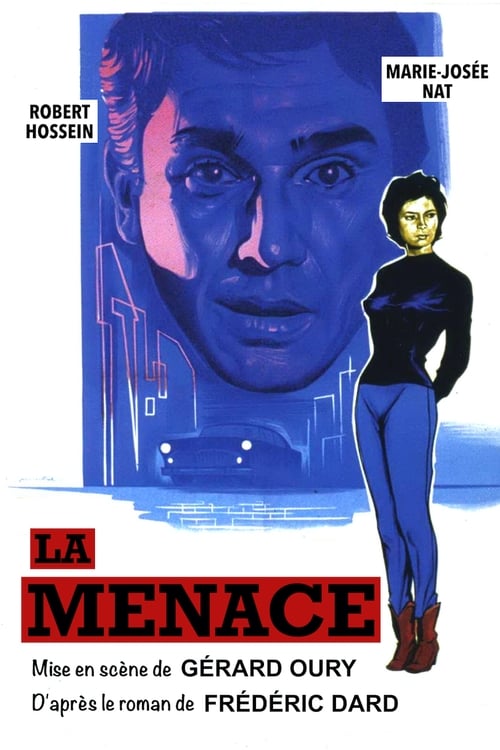
1961
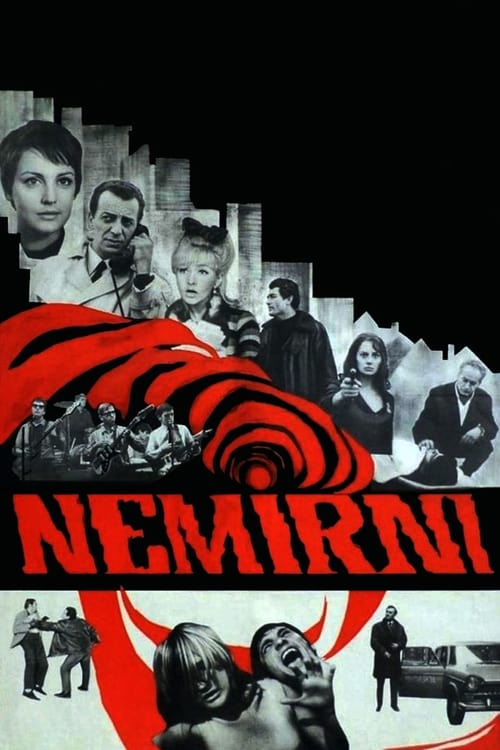
1967

1963

1955
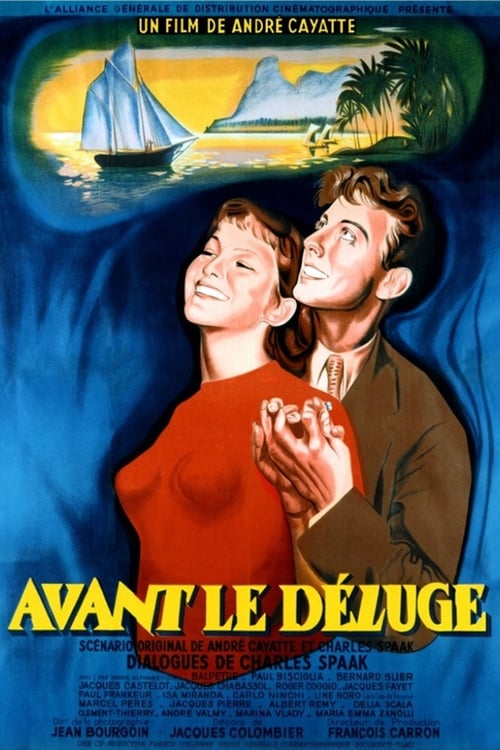
1954
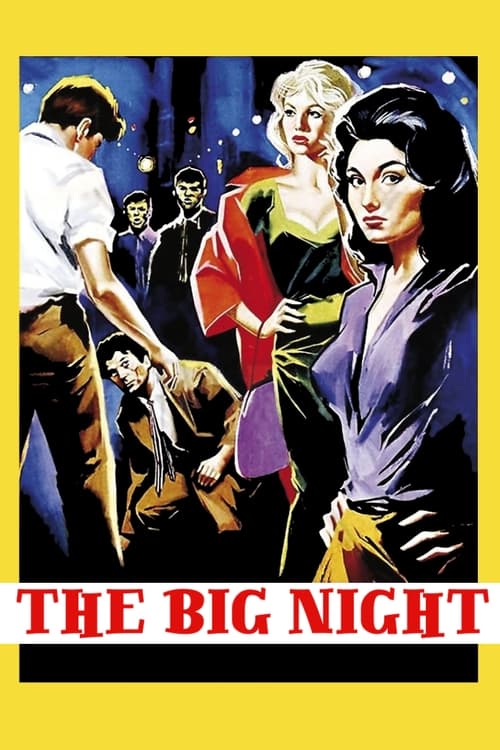
1959

1956

1966
No reviews yet. Be the first to share your thoughts on this movie!
Use the rating form above to leave a star rating and optional review.