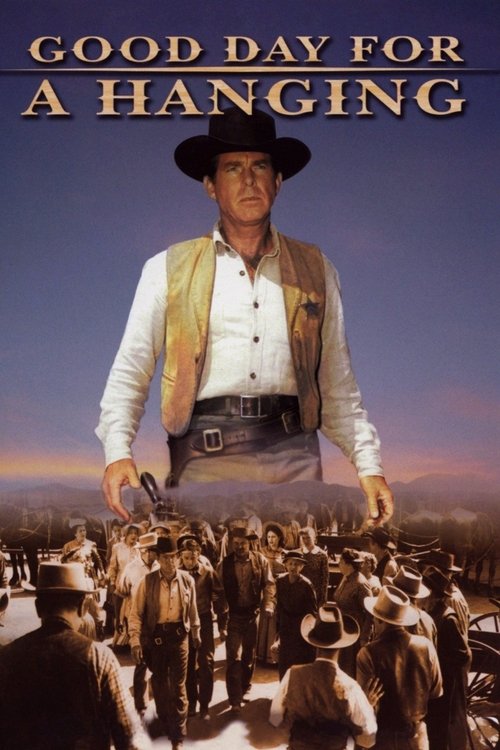
Good Day for a Hanging
1959
No user ratings available yet
Diversity score: 2.4 out of 10
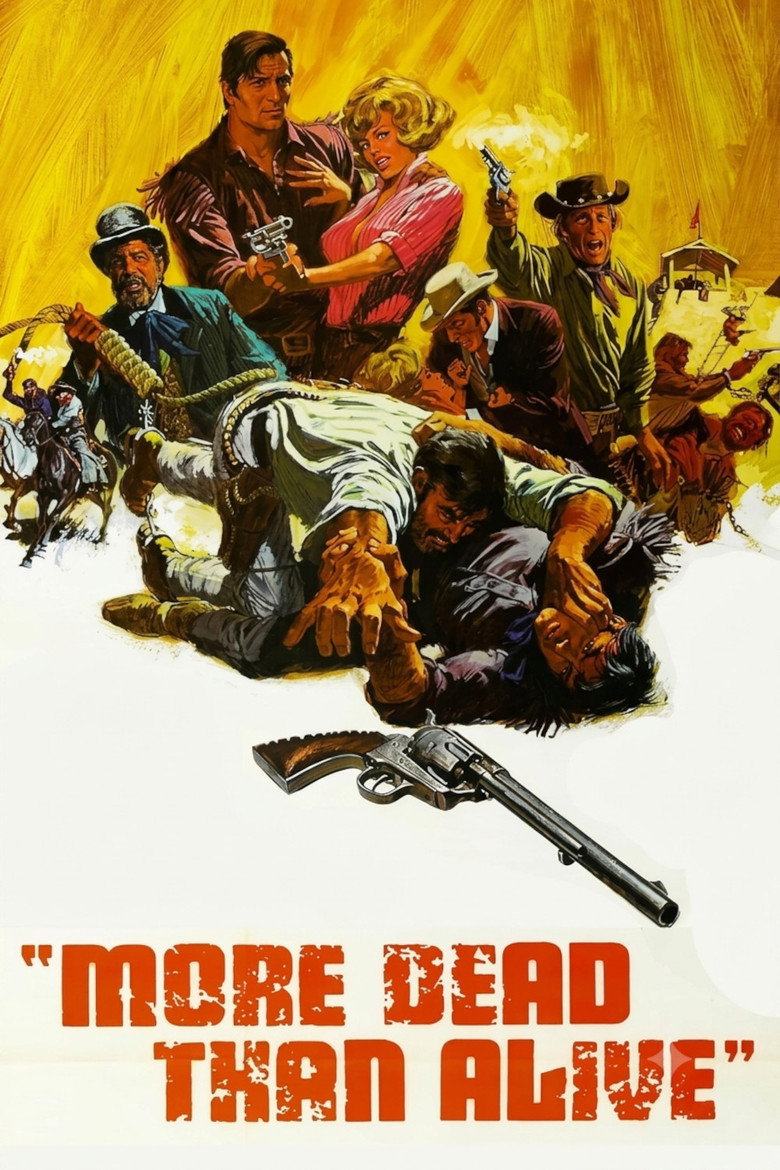
1969
RDirector
Robert Sparr
Runtime
101 minutes
Average Rating
No ratings yetSynopsis
When the multiple murderer Cain is released from prison after 18 years, he wants to settle down as a rancher and never touch a gun again. But his former life haunts him; not only that nobody wants to give him a job, some villains also want to pay him back. So he has to accept the offer of showman Ruffalo to perform as "Killer Cain" in his traveling shooting show. However after 18 years without practice even Ruffalo's young assistant Billy shoots better than Cain.
Overall Score
Limited
Category Breakdown
LGBTQ+ Representation
The film focuses on a traditional masculine arc of redemption. There is no evidence of non-cisnormative identities or same-sex intimacy.
Gender Representation
Power dynamics and agency are concentrated among male characters like Cain and Ruffalo. The narrative reinforces conventional gender hierarchies through its focus on masculine struggles.
Racial & Ethnic Diversity
The setting follows homogeneous casting patterns typical of the late 1960s Western. There is no indication of a diverse cast or characters of color with high agency.
Religious & Cultural Diversity
The story explores individual redemption within traditional Western morality. It focuses on personal integration into social structures rather than institutional critiques.
Disability Representation
There is no evidence regarding the portrayal of physical or neurodivergent disabilities in this production.
Strengths
Areas for Improvement
AI Analysis
More Dead than Alive is a conventional 1969 Western that adheres strictly to the genre tropes of its era. The narrative centers on a male protagonist's struggle to escape a violent past, prioritizing traditional masculine themes of redemption and skill. The film lacks intentionality regarding intersectional representation. It operates within the heteronormative and homogeneous social structures common to mid-century action cinema, offering little deviation from established Western archetypes. Ultimately, the production functions as a standard genre piece. It does not attempt to disrupt social hierarchies or provide meaningful visibility for marginalized groups.
1959
1956
2009
1966
1954

1953
1958
1987
2008
1968
1970
1948
No reviews yet. Be the first to share your thoughts on this movie!
Use the rating form above to leave a star rating and optional review.