Today We Kill, Tomorrow We Die!
1968
No user ratings available yet
Representation score: 1.3 out of 10
Representation Score
Minimal
1970
Not RatedDirector
Antonio Margheriti
Runtime
101 minutes
Average Rating
No ratings yetNew Showbiz Analysis
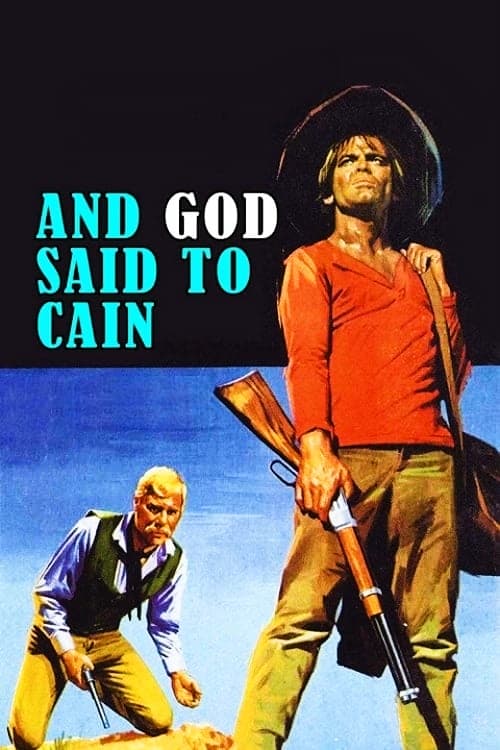
And God Said to Cain is a classic example of the Spaghetti Western genre, emphasizing traditional themes of vengeance and survival. The film centers on male-dominated violence and traditional patriarchal structures. While it explores the lawlessness of the frontier, these themes support the plot's momentum without challenging cultural or religious institutions. The film sticks to the standard practices of 1970s Italian genre cinema, maintaining a homogeneous cast and avoiding diverse representations. It does not aim to challenge social hierarchies or provide layered diversity.
Category Breakdown
The film follows traditional masculine storylines typical of the Spaghetti Western genre. There are no representations of LGBTQ+ identities or same-sex relationships.
The story focuses heavily on male-driven action and revenge. Women play minor roles and have little influence over the plot.
The casting follows the homogeneous traditions of the Spaghetti Western genre. There are no diverse racial representations.
The themes of justice and revenge come from genre conventions rather than a critical look at religion or Western institutions. The morality revolves around personal revenge.
There are no characters with visible or invisible disabilities given significant roles or central narrative importance.
Present on Screen
Limited or Absent
Official Synopsis
An innocent man sentenced to ten years in prison for a crime he did not commit, is released from jail, promising to seek revenge on the guilty.
1968
1966
1967
1968
1981
1967
1958
1968
No reviews yet. Be the first to share your thoughts on this movie!
Use the rating form above to leave a star rating and optional review.