
Doc West
2009
No user ratings available yet
Diversity score: 2.3 out of 10
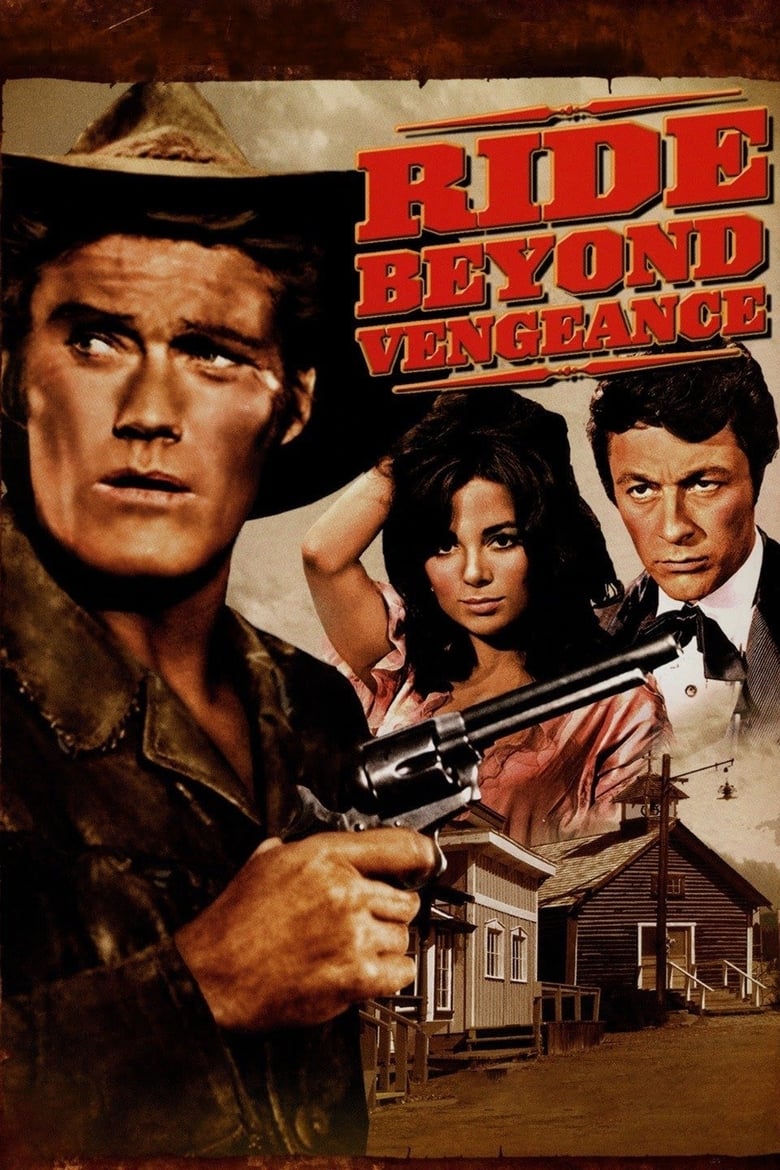
1966
PGDirector
Bernard McEveety
Runtime
101 minutes
Average Rating
No ratings yetSynopsis
Jonas Trapp falls in love with the beautiful Jessie, a wealthy girl out of his humble class. Against the wishes of her snobbish aunt, she marries him, later faking a pregnancy to win her aunt's consent. But Jonas tires of living off of his wife's family, and eventually deserts her to become a buffalo hunter. 11 years later, with his self-made fortune, he sets out to return home, only to be set upon by three sadistic marauders, who steal his money and leave him for dead. Rescued by a farmer who nurses him back to health, Jonas becomes consumed by the desire for revenge. As fate would have it, all three men live close to Jonas' former home. Matters quickly get worse when Jonas reunites with his wife, only to discover that she is now engaged to Renne.
Overall Score
Limited
Category Breakdown
LGBTQ+ Representation
The film operates within a strictly heteronormative framework. The central plot revolves around a traditional marriage and its dissolution, offering no presence of non-cisnormative identities.
Gender Representation
Gender roles follow traditional hierarchies. While Jessie shows agency through her marriage choices, Jonas Trapp remains the primary driver of action, wealth, and physical vengeance.
Racial & Ethnic Diversity
The narrative focuses on a homogeneous social structure. Conflict is driven by class distinctions rather than racial or ethnic intersectionality, adhering to standard 1960s Western tropes.
Religious & Cultural Diversity
The story emphasizes Western values like individualism and vigilantism. The protagonist's rise to wealth reinforces capitalist ideals of meritocracy and personal honor.
Disability Representation
Physical vulnerability is used as a plot device to facilitate the protagonist's transition to a quest for revenge. There is no nuanced portrayal of long-term disability.
Strengths
Areas for Improvement
AI Analysis
Ride Beyond Vengeance is a conventional mid-century Western that prioritizes individualistic heroism over demographic complexity. The narrative reinforces established social hierarchies and traditional gender roles, centering the plot on a male protagonist's journey of wealth and vengeance. The film lacks intersectional depth, focusing instead on class struggles and personal honor. It adheres to the era's standard archetypes, offering little subversion of the genre's typical Anglo-centric and heteronormative structures. Ultimately, the work functions as a standard genre piece. It relies on familiar tropes of the self-made man and domestic female anchors rather than challenging cultural norms.
2009
1956
1958
1982
2008

1968

1963
1968

1968
1968
1956
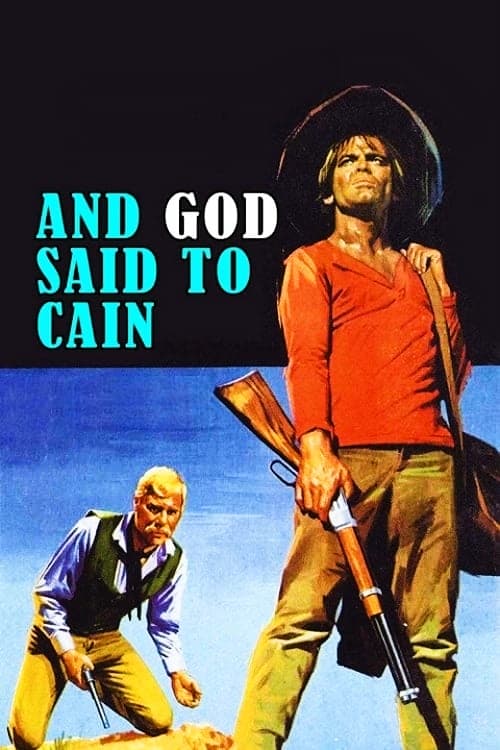
1970
No reviews yet. Be the first to share your thoughts on this movie!
Use the rating form above to leave a star rating and optional review.