
Hate Thy Neighbor
1968
No user ratings available yet
Representation score: 1.7 out of 10
Representation Score
Minimal
1968
Not RatedDirector
Ferdinando Baldi
Runtime
92 minutes
Average Rating
No ratings yetNew Showbiz Analysis
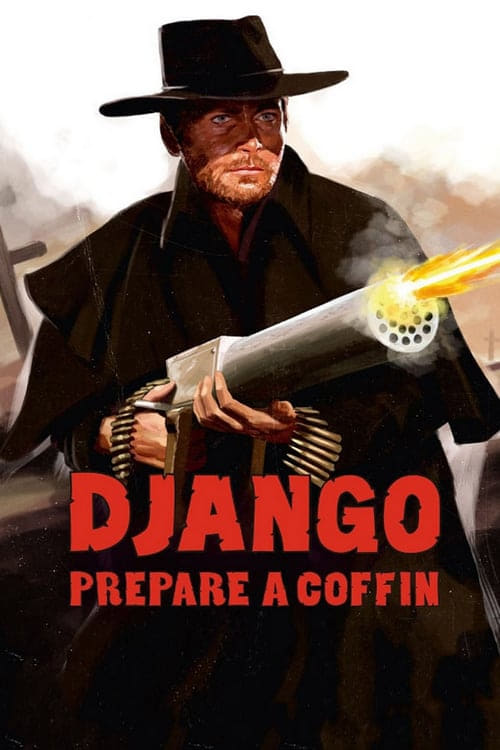
Django, Prepare a Coffin is a classic Spaghetti Western that emphasizes the mechanics of a revenge thriller over social commentary. The narrative focuses on a lone strongman archetype, concentrating ability to act in a single, highly masculine figure. While the protagonist uses deception to challenge a corrupt official, this serves as an individual rebellion rather than a broader critique of institutional oppression. The film adheres to the established formulas of its era. Overall, the work maintains a traditional approach to casting and character roles, offering limited complexity in representing diverse identities.
Category Breakdown
The film does not include any LGBTQ+ characters or explore non-straight identities. Relationships focus on traditional male bonds and heterosexual motivations.
The story centers around a patriarchal structure where female characters mainly act as catalysts for the male lead’s actions or as victims, lacking independent roles.
The cast is mostly white, focusing on Anglo-centric frontier stories. There are no characters of color with significant roles or ability to act.
The film critiques corruption through a crooked political boss, but frames this as a personal vendetta rather than a broader societal issue.
There are no prominent depictions of physical or cognitive disabilities. Characters are defined by their violent and survival-focused traits, not by disability.
Present on Screen
Limited or Absent
Official Synopsis
A mysterious gunfighter named Django is employed by a local crooked political boss as a hangman to execute innocent locals framed by the boss, who wants their land. What the boss doesn't know is that Django isn't hanging the men at all, just making it look like he is, and using the men he saves from the gallows to build up his own "gang" in order to take revenge on the boss, who, with Django's former best friend, caused the death of his wife years before.
1968

1976

1987
1966
1971
1968
1963
1968
No reviews yet. Be the first to share your thoughts on this movie!
Use the rating form above to leave a star rating and optional review.