More Dead than Alive
1969
No user ratings available yet
Diversity score: 2.5 out of 10
1959
NRDirector
Nathan Juran
Runtime
85 minutes
Average Rating
No ratings yetSynopsis
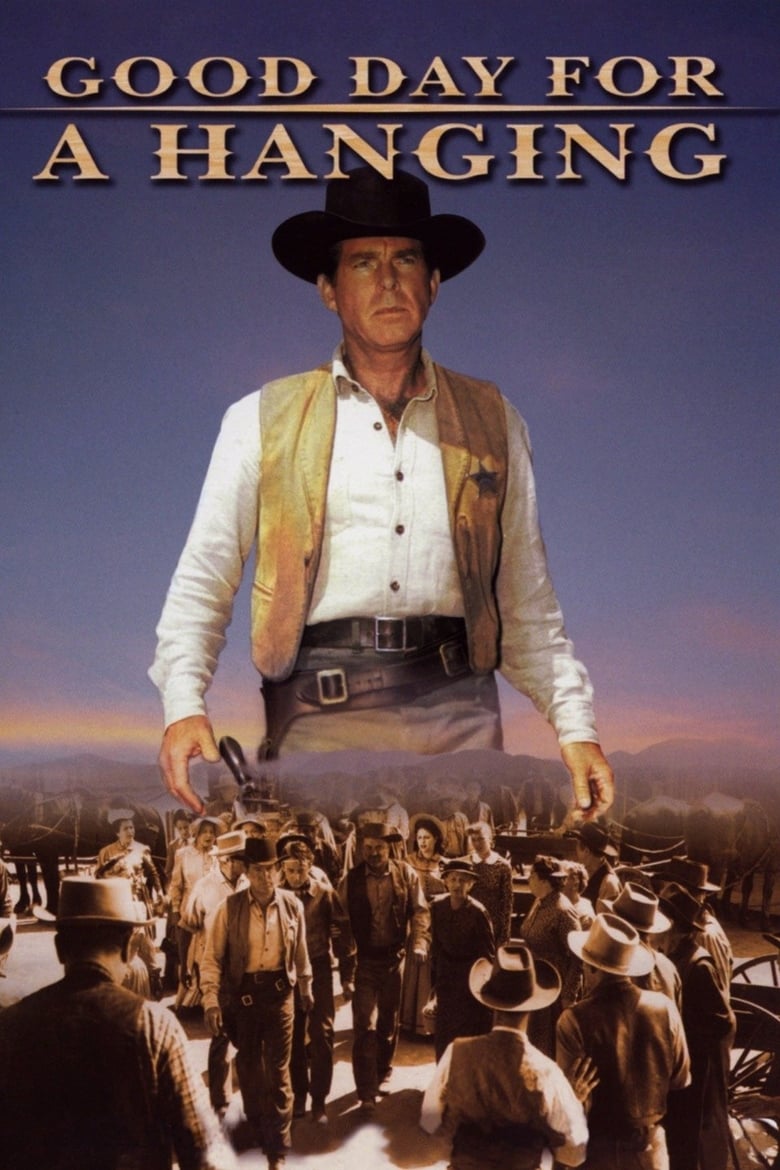
When the local sheriff is killed after a bank robbery, ex-lawman Ben Cutler collars the apparent killer, Eddie Campbell. Because of his background as a local youth who spent time living with the Cutlers, Eddie gets the benefit of the doubt from Ben's daughter and his wife-to-be. Ben is firm in his belief that Eddie is guilty, and as the matter is debated in a divisive court battle, it will soon become clear whether he's right.
Overall Score
Limited
Category Breakdown
LGBTQ+ Representation
The film focuses on traditional courtship and familial bonds. There is no evidence of non-cisnormative identities or narratives that critique heteronormativity.
Gender Representation
Women occupy domestic and emotional roles, acting as mediators for the male protagonists. Central agency remains with the men and male-dominated legal institutions.
Racial & Ethnic Diversity
The narrative likely adheres to the era's standard demographic norms. There is no specific evidence of diverse casting or non-Anglo-Saxon depictions of frontier life.
Religious & Cultural Diversity
The story reinforces traditional Western values regarding law and the family unit. It frames conflict through institutional justice rather than critiquing these structures.
Disability Representation
There is no mention of characters navigating physical, sensory, or neurodivergent conditions within the narrative.
Strengths
Areas for Improvement
AI Analysis
This 1959 Western operates strictly within the conventional social hierarchies of its era. The plot centers on a legal and moral conflict between men, utilizing a standard mid-century framework of justice and individual culpability. The film prioritizes established genre tropes over social subversion. Character agency is divided along traditional lines, with men driving the legal and physical action while women manage interpersonal tensions. Ultimately, the film offers a homogeneous view of frontier life. It reinforces the status quo of the 1950s rather than challenging the era's demographic or gendered norms.
1969
1956
2009
1944
2018

1953
1958
1948
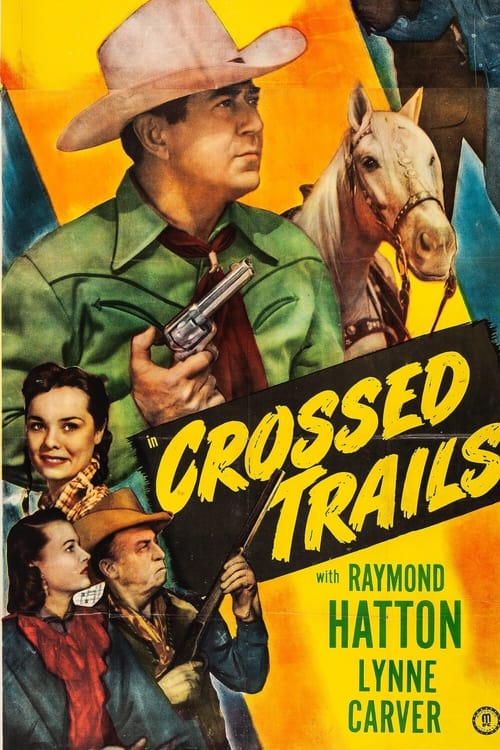
1948
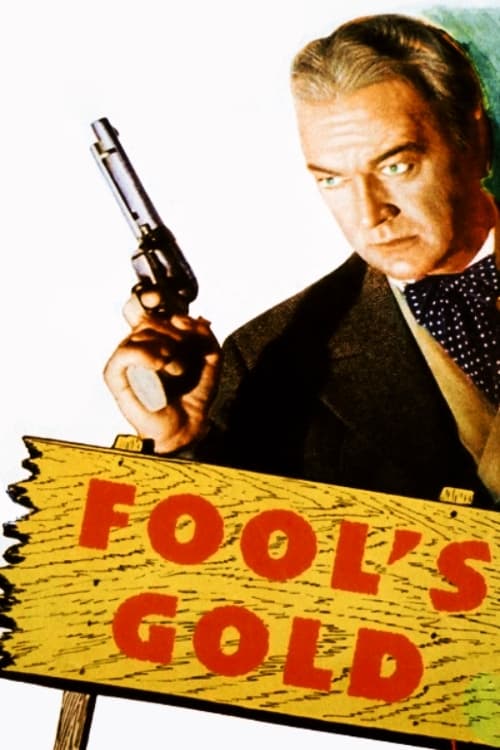
1946

1968
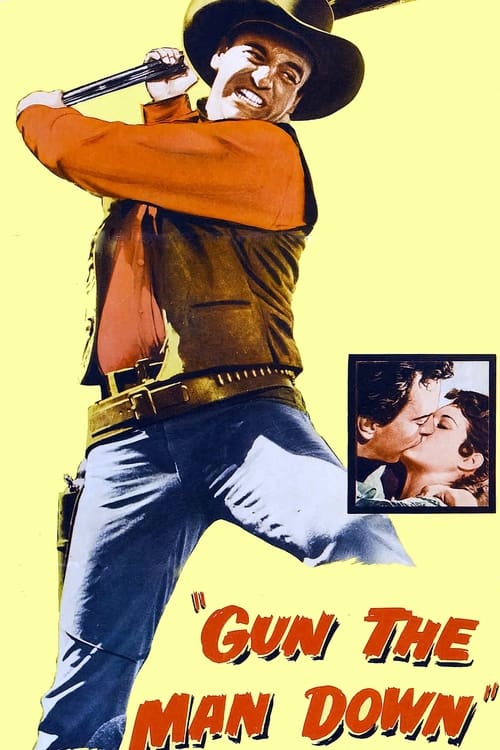
1956
No reviews yet. Be the first to share your thoughts on this movie!
Use the rating form above to leave a star rating and optional review.