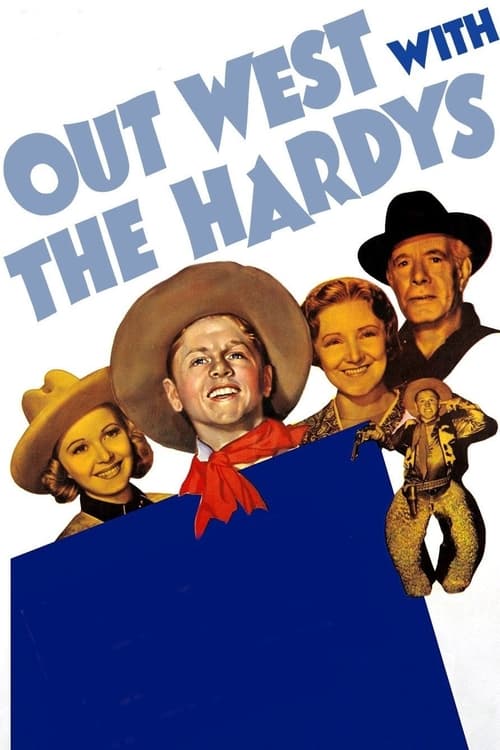
Out West with the Hardys
1938
No user ratings available yet
Representation score: 0.4 out of 10
Representation Score
Minimal
1949
ApprovedDirector
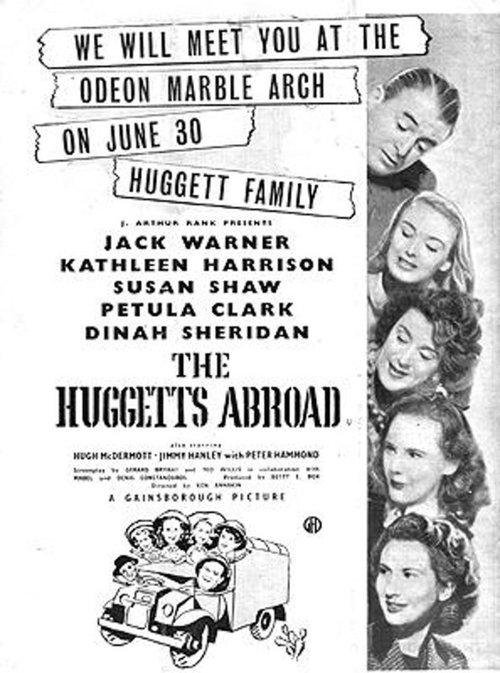
Ken Annakin
Runtime
89 minutes
Average Rating
No ratings yetNew Showbiz Analysis
The Huggetts Abroad is a product of its 1949 setting, focusing on domestic humor and escapism. It reinforces the social hierarchies of post-war Britain by centering on a homogeneous, working-class family. The film lacks representation of diverse identities, disabilities, or non-Western perspectives, sticking to traditional gender roles and social norms.
Category Breakdown
The film centers on a mid-century family unit that assumes everyone is straight and cisgender. There are no LGBTQ+ characters or non-conforming gender identities.
The movie upholds traditional gender roles where men are the main providers and women are homemakers within a patriarchal structure.
The cast is predominantly white and reflects the demographics of post-war British society. There is no ethnic diversity among the characters.
The story functions as traditional escapist media, emphasizing family stability and using 'fish out of water' scenarios without addressing broader societal issues.
There is no representation of physical, sensory, or neurodivergent disabilities. Characters are portrayed through typical comedic archetypes.
Present on Screen
Limited or Absent
Official Synopsis
Life is not going well for the Huggetts. Father has lost his job. Jimmy and his wife cannot get to South Africa where he has a new job. So the family decide that they should go to South Africa by truck. With their travelling companion they travel across the desert which includes a brush with the law.
1938

1934
1947
1983
1925
1970

1961
1971
No reviews yet. Be the first to share your thoughts on this movie!
Use the rating form above to leave a star rating and optional review.