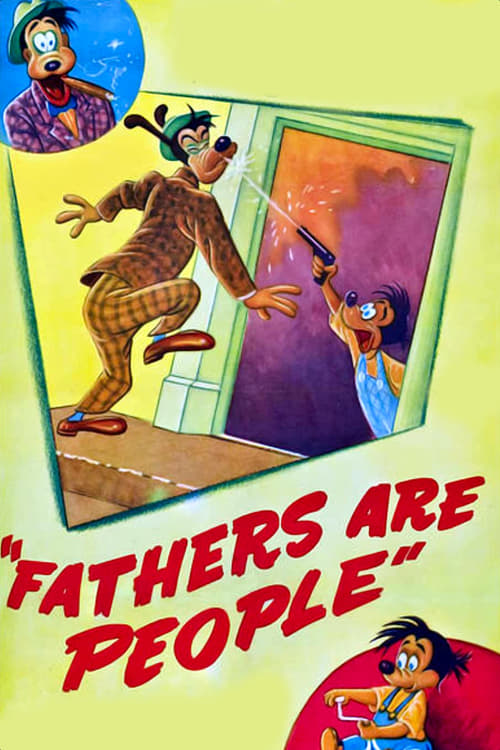
Fathers Are People
1951
No user ratings available yet
Diversity score: 1.4 out of 10
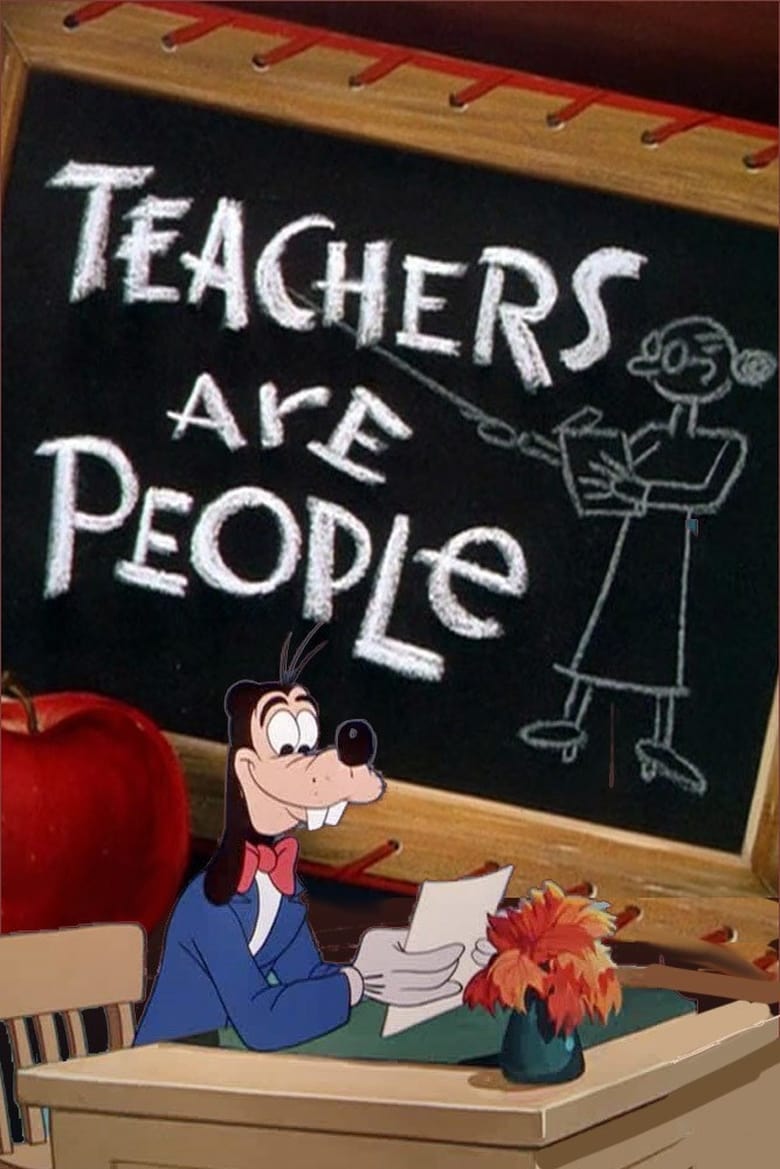
1952
Director
Jack Kinney
Runtime
7 minutes
Average Rating
No ratings yetSynopsis
As the narrator explains, educating children is one of the most important things today and the heroic man who takes on this role is "the school teacher" (Goofy, naturally). After taking role call, Goofy tries to teach the class but keeps having to deal with a mischievous trouble-maker named George who enjoys sneaking out of class to go fishing, eating the teacher's apple, squeaking chalk, making faces while teacher gives a geography lesson, and terrorizing the other students with his water pistol. In the end, George's mischief goes too far when he destroys the school with an exploding bomb and is forced to write "I will not bomb the school again" 100 times!
Overall Score
Minimal
Category Breakdown
LGBTQ+ Representation
The film lacks any depiction of non-heteronormative identities or queer themes. It operates within a traditional mid-century framework of conventional social structures.
Gender Representation
The narrative focuses on a singular male protagonist in a position of authority. There is no significant presence of female characters to allow for meaningful evaluation of gender dynamics.
Racial & Ethnic Diversity
The cast consists of anthropomorphic characters within a homogeneous, traditional Western educational environment. There is no evidence of multicultural casting or diverse ethnic backgrounds.
Religious & Cultural Diversity
The film adheres to traditional Western institutional values regarding classroom sanctity and formal education. It reinforces social order through the necessity of discipline and respect for authority.
Disability Representation
There is no evidence of characters with visible or invisible disabilities. Characters function strictly within the standard parameters of slapstick comedy archetypes.
Strengths
Areas for Improvement
AI Analysis
This 1952 animated short is a product of its era, prioritizing traditional slapstick comedy over social exploration. The narrative reinforces mid-century norms by focusing on a singular male authority figure struggling against a mischievous student. The work lacks the narrative architecture to engage with progressive values or intersectional identities. It presents a standardized view of social order, emphasizing institutional stability and the importance of discipline within a Western educational setting. Because the characters are anthropomorphic and the setting is highly conventional, the film offers almost no representation of diverse racial, gender, or LGBTQ+ identities.
1951
1951
1953
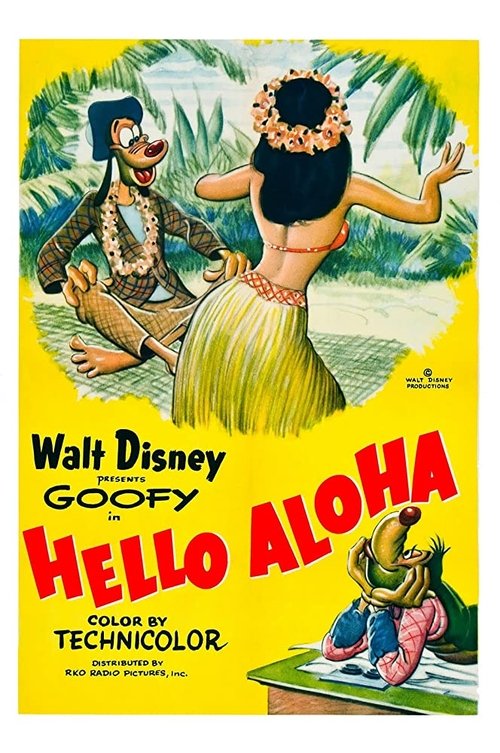
1952
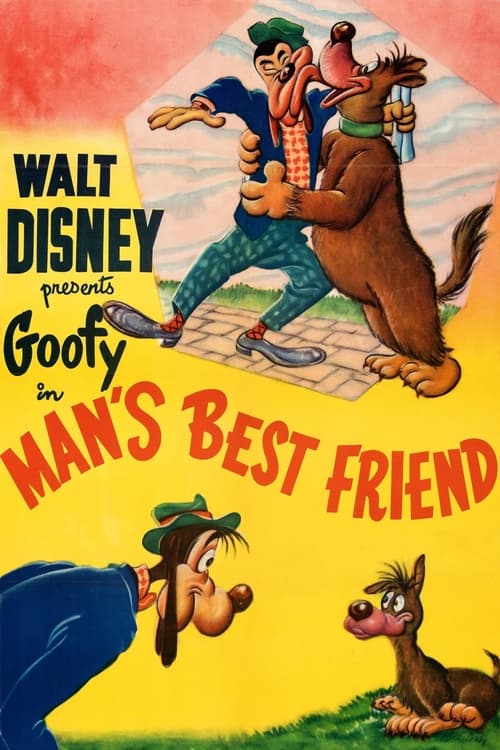
1952
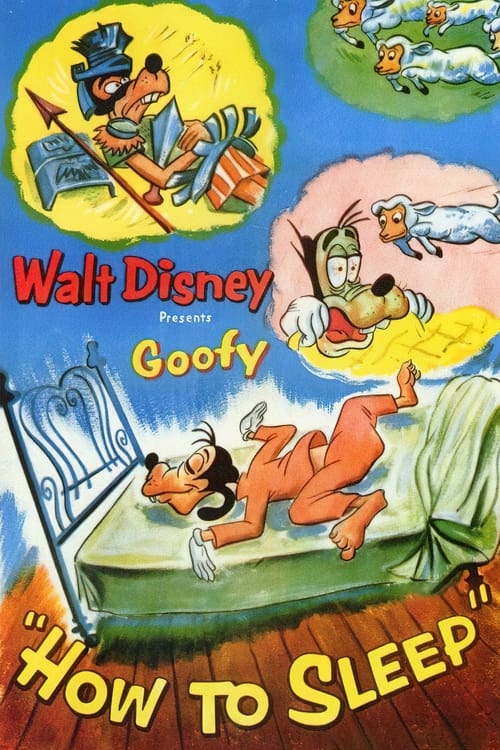
1953
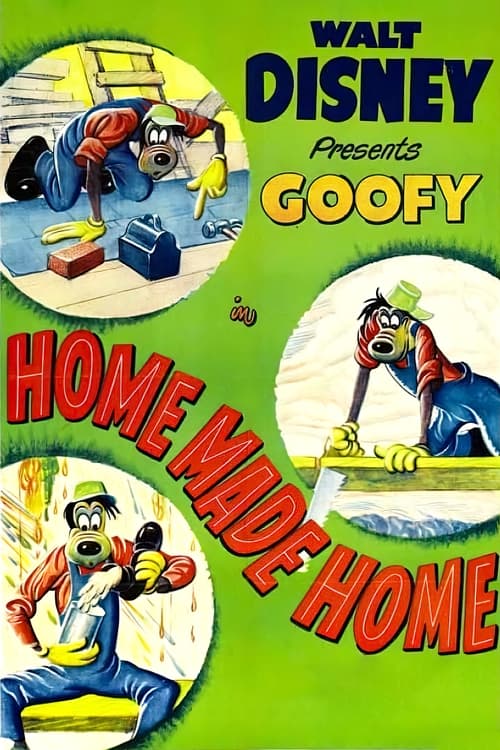
1951
1950
1927
1956
1964
1938
No reviews yet. Be the first to share your thoughts on this movie!
Use the rating form above to leave a star rating and optional review.