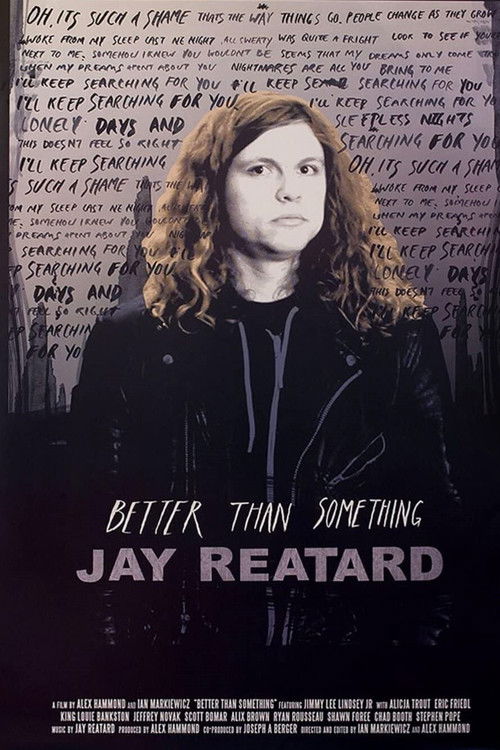
Better Than Something: Jay Reatard
2012
No user ratings available yet
Diversity score: 4.5 out of 10

2022
Director
Toby Amies
Runtime
85 minutes
Average Rating
No ratings yetSynopsis
The film explores the “acute suffering” and transcendent glory experienced by current and former members of King Crimson, allowing the audience an intimate and sometimes uncomfortable insight into the musicians’ experience as they confront life and death head on in the world’s most demanding rock band.
Overall Score
Fair
Category Breakdown
LGBTQ+ Representation
The documentary focuses on the history and internal dynamics of a specific rock ensemble. There is no explicit evidence of LGBTQ+ characters or narratives within this biographical context.
Gender Representation
The narrative centers on musicians within the male-dominated progressive rock genre. While it explores emotional vulnerability, the focus remains largely on the band's male-centric history.
Racial & Ethnic Diversity
The film appears to focus on a specific cohort of musicians. It lacks evidence of a diverse cast, reflecting the traditional representation typical of the progressive rock era.
Religious & Cultural Diversity
The film prioritizes existentialism and the psychological states of the artists. This approach disrupts conventional celebratory tropes by offering a complex, deconstructive view of musical legacy.
Disability Representation
The film touches on the psychological toll of a demanding career. However, there is no evidence of characters with visible or invisible disabilities serving as central narrative agents.
Strengths
Areas for Improvement
AI Analysis
This documentary functions as an intimate biographical study rather than a vehicle for social or identity-based representation. It prioritizes the psychological depth and existential realities of the musicians over intersectional casting. The film succeeds in moving away from sanitized, hagiographic traditions. By exploring 'acute suffering' and the uncomfortable aspects of a musical legacy, it offers a more nuanced, character-driven narrative than standard music biographies. However, the work remains largely confined to the historical context of its subjects. It does not overtly challenge systemic social hierarchies or provide significant representation across gender, race, or identity-based categories.
2012

2021
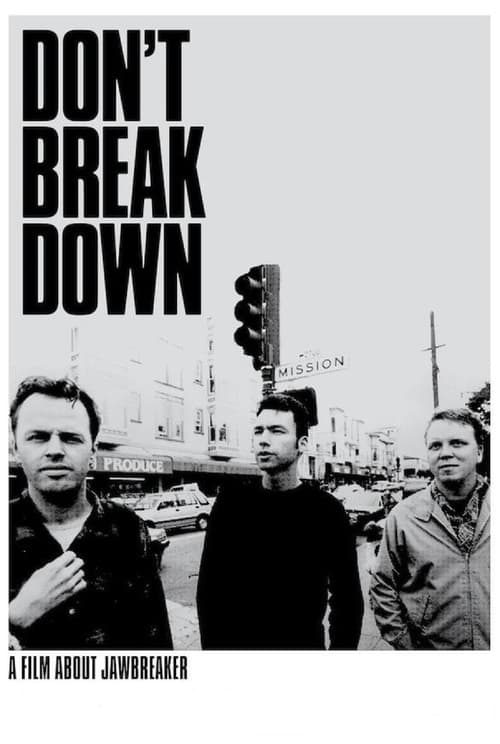
2017

2007
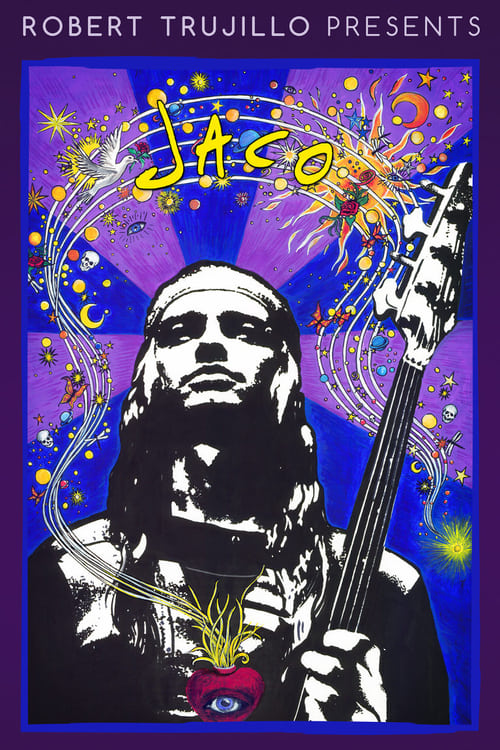
2015

2016

2014
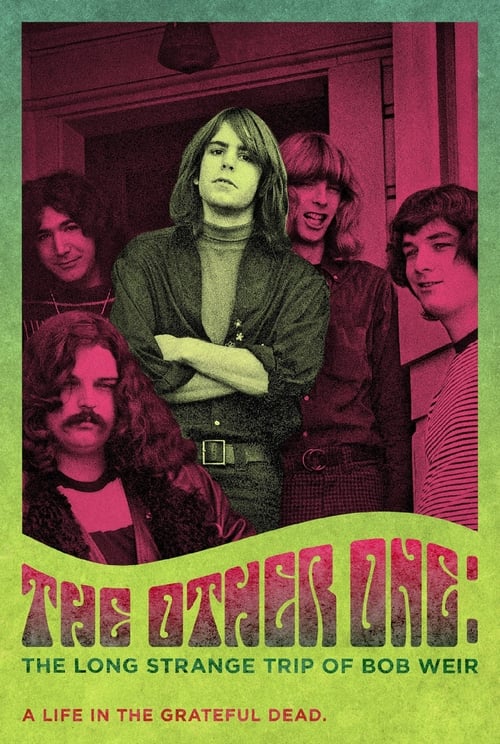
2014

2007
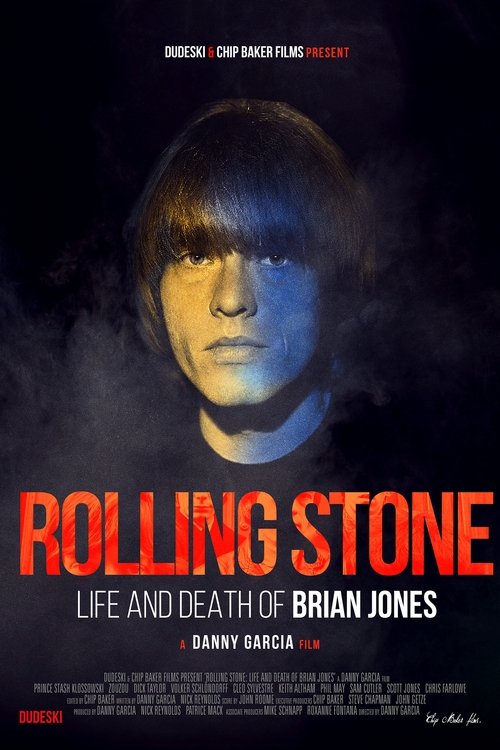
2019

2011
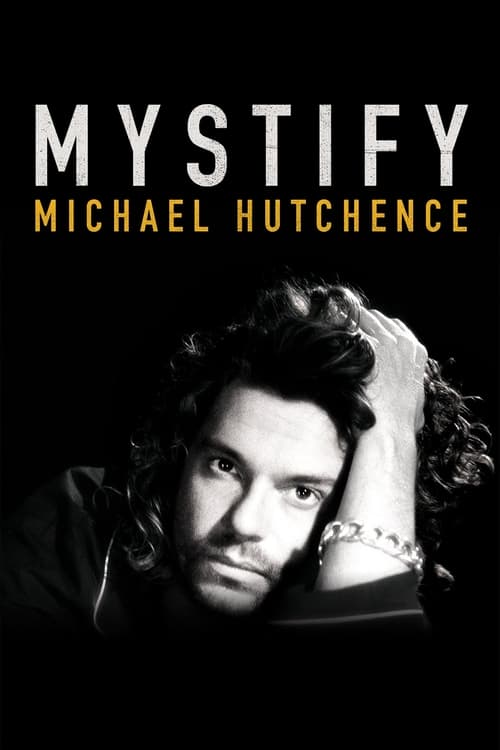
2019
No reviews yet. Be the first to share your thoughts on this movie!
Use the rating form above to leave a star rating and optional review.