NOVA-Lost Treasures of Tibet
2003
No user ratings available yet
Representation score: 3.8 out of 10
Representation Score
Limited
2021
TV-GDirector
Wolfgang Luck
Runtime
43 minutes
Average Rating
No ratings yetNew Showbiz Analysis
The film succeeds by de-centering the Western academic gaze, shifting the focus from external institutional intervention to localized, grassroots stewardship. It elevates the role of the local community over the outside expert, framing heritage preservation as a communal endeavor. However, the documentary lacks engagement with identity politics or LGBTQ+ narratives. The scope remains strictly tied to the physical labor of temple restoration and the traditions of the Cambodian village. Ultimately, the work provides a progressive look at cultural stewardship by validating non-Western methods of preserving history through collective strength and autonomy.
Category Breakdown
The film does not include any LGBTQ+ characters or themes. It focuses on communal rice farming and temple restoration without addressing identity-based social dynamics.
The film presents a neutral stance on gender. While it emphasizes a village community taking charge, there is no explicit evidence of gender hierarchy subversion or reinforcement.
The documentary centers on a non-Western majority by focusing on the Khmer Empire's legacy. It disrupts explorer clichés by positioning local ethnic populations as the primary actors in preservation.
The film highlights a community operating with almost no outside help. This promotes localized autonomy and indigenous control over standard Western models of institutional archaeology.
There is no evidence that disability or neurodivergence are central themes. No specific character arcs addressing these topics are present in the narrative.
Present on Screen
Limited or Absent
Official Synopsis
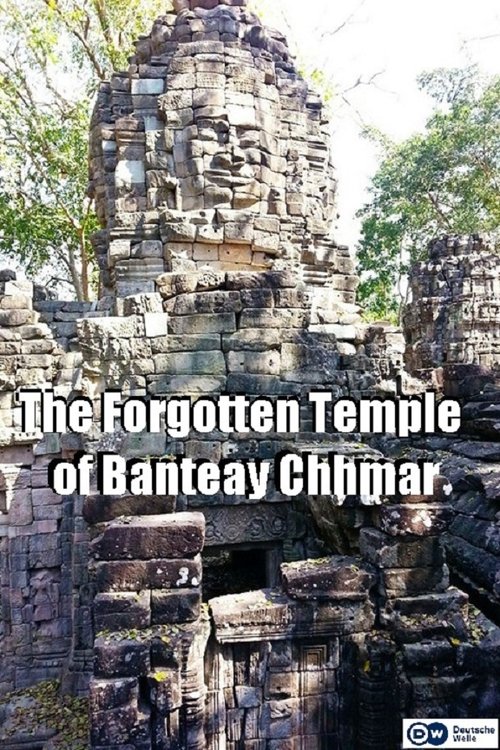
Deep in the jungle of Cambodia lies a jewel from the Khmer Empire: the temple of Banteay Chhmar. Half devoured by plants and long forgotten by most people, the 800-year-old complex is being rediscovered, slowly. The village community of Banteay Chhmar is taking charge. Far from the well-trodden tourist trails, the rice farmers of this small village are trying an experiment unknown in Cambodia: with almost no outside help, they are fighting to preserve and restore their temple using nothing but their own strength.
2003
2004
2003

2000
1997
2016
2016
2010
No reviews yet. Be the first to share your thoughts on this movie!
Use the rating form above to leave a star rating and optional review.