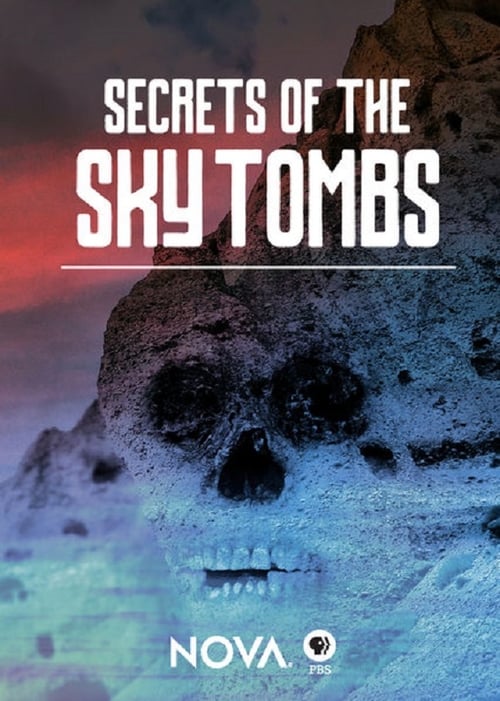
NOVA: Secrets of the Sky Tombs
2017
No user ratings available yet
Representation score: 4.9 out of 10

Representation Score
Limited
2003
TV-GDirector
Liesl Clark
Runtime
62 minutes
Average Rating
No ratings yetNew Showbiz Analysis
This NOVA documentary serves as a cultural preservation narrative. It avoids the character-driven clichés of scripted drama, focusing instead on the tension between time's decay and the preservation of human history. The film succeeds by emphasizing the spiritual and artistic legacies of the Mustang region. This approach validates non-Western historical legacies and treats cultural artifacts as vital components of a living identity. However, the documentary lacks depth in representing diverse identities. While it provides strong cultural visibility, it offers limited information on gendered power dynamics or the representation of LGBTQ+ and disabled individuals.
Category Breakdown
The documentary focuses on art conservation and archaeological preservation. There is no mention of LGBTQ+ characters or narratives related to gender identity.
Gender dynamics in the film relate to the professional roles of the conservationists. The film presents a neutral view of expertise without actively challenging or reinforcing traditional gender roles.
The film highlights the ethnic heritage of the Mustang region significantly. By centering the narrative on Buddhist temples, it emphasizes non-Western cultural history and indigenous heritage.
The documentary respects non-Western spiritual institutions. By documenting temple restoration, it adopts a lens of preservation rather than a Western-centric perspective of discovery.
There is no documented evidence of individuals with visible or invisible disabilities being included in this production.
Present on Screen
Limited or Absent
Official Synopsis
Nova follows a group of art conservationists to the ancient Buddhist Temples of the Mustang. There they attempt to restore artwork that has been slowly deteriorating with time.
2017

2004
2021
2020

2016
2010
2016
2006
No reviews yet. Be the first to share your thoughts on this movie!
Use the rating form above to leave a star rating and optional review.