
Gods and Generals
2003
No user ratings available yet
Representation score: 0.5 out of 10
Representation Score
Minimal
1993
PGDirector
Ronald F. Maxwell
Runtime
254 minutes
Average Rating
No ratings yetNew Showbiz Analysis
Gettysburg is a classical historical epic that prioritizes period accuracy and traditional social hierarchies over modern storytelling techniques. It reconstructs the American Civil War through a lens of established social structures, focusing on military command and nationalist duty. While the film acknowledges the presence of African American soldiers, it does not use their roles to challenge conventional clichés or provide deeper character development. The work adheres to 19th-century social parameters, emphasizing male leadership and Western institutional values.
Category Breakdown
The film focuses on traditional masculine military bonds without any queer subtext or non-cisgender identities.
Male characters dominate the narrative, centered on combat and leadership roles. Female characters are peripheral, reinforcing the era's patriarchal structure.
The cast is predominantly white, reflecting the historical officer corps. African American soldiers appear but have limited roles and ability to act.
The story emphasizes Western institutional values like patriotism and religious piety. It reinforces a nationalist perspective without challenging the era's social fabric.
There are no characters with visible or invisible disabilities central to the plot. Physical trauma is treated only as combat injury affecting military utility.
Present on Screen
Limited or Absent
Official Synopsis
In the summer of 1863, General Robert E. Lee leads the Confederate Army of Northern Virginia into Gettysburg, Pennsylvania with the goal of marching through to Washington, D.C. The Union Army of the Potomac, under the command of General George G. Meade, forms a defensive position to confront the rebel forces in what will prove to be the decisive battle of the American Civil War.
2003

1970
1998
1980
2004

1937
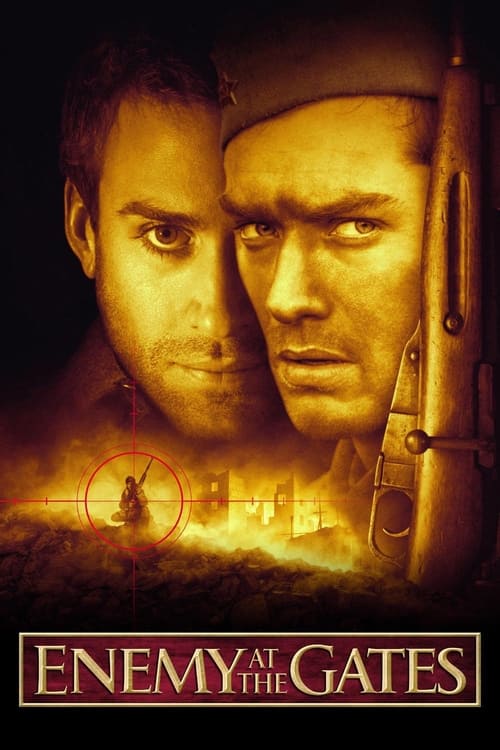
2001

1969
No reviews yet. Be the first to share your thoughts on this movie!
Use the rating form above to leave a star rating and optional review.