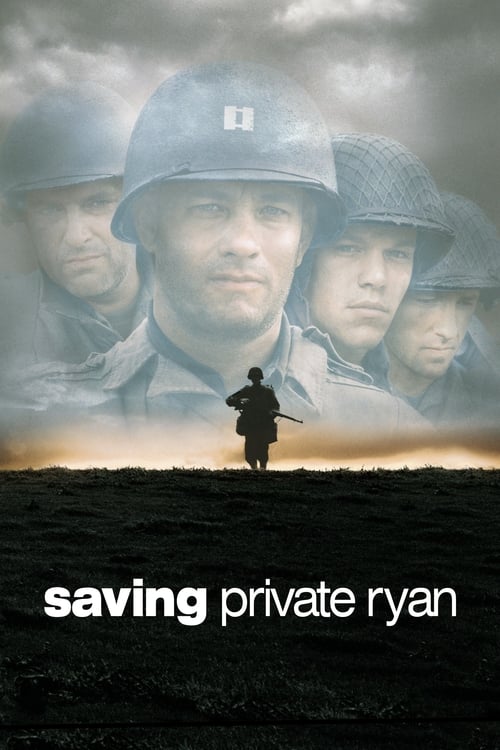
Saving Private Ryan
1998
No user ratings available yet
Representation score: 2.1 out of 10
Representation Score
Limited
2001
TV-14Director
Russell Mulcahy
Runtime
92 minutes
Average Rating
No ratings yetNew Showbiz Analysis
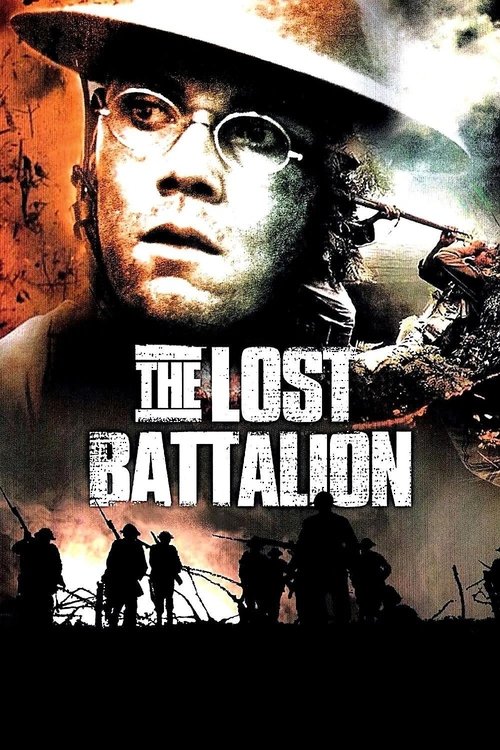
The Lost Battalion is a traditional historical narrative that emphasizes accurate military structures of the time. It focuses on the survival of soldiers within the context of 1918, without challenging existing social norms. The film's structure revolves around a homogeneous group of white, male soldiers, lacking diverse representation or modern social critiques. Ultimately, it serves as a conventional war drama, depicting the harshness of combat through a lens of traditional masculinity and institutional hierarchy.
Category Breakdown
The film does not include any LGBTQ+ characters or those with non-conforming gender identities. It stays within the social norms of a 1918 infantry unit.
The story focuses solely on male camaraderie and military structure. It emphasizes a male-dominated combat environment without giving women much influence or control.
The film centers on a predominantly white American infantry unit. It maintains a uniform demographic typical of traditional war films.
The movie presents a conventional survival drama. It shows the breakdown of order as a result of war without critiquing societal systems.
Characters with physical and psychological trauma are used mainly as plot devices. Those with disabilities do not have much control or detailed experiences.
Present on Screen
Limited or Absent
Official Synopsis
Fact-based war drama about an American battalion of over 500 men which gets trapped behind enemy lines in the Argonne Forest in October 1918 France during the closing weeks of World War I.
1998
2003
2006
2010

1981
1964
2001
1987
No reviews yet. Be the first to share your thoughts on this movie!
Use the rating form above to leave a star rating and optional review.