
Battle of Britain
1969
No user ratings available yet
Representation score: 0.2 out of 10
Representation Score
Minimal
1965
NRDirector
Ken Annakin
Runtime
169 minutes
Average Rating
No ratings yetNew Showbiz Analysis
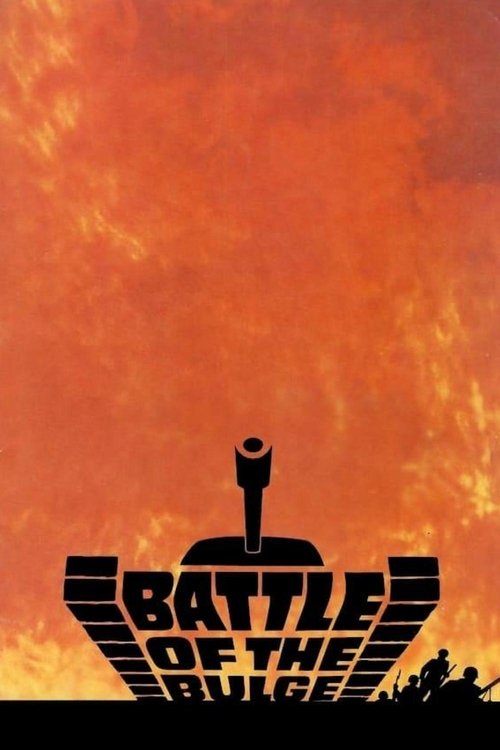
Battle of the Bulge is a quintessential mid-century historical epic that prioritizes grand-scale spectacle over social complexity. The film adheres to the traditional studio system's focus on military hierarchy and Western institutional stability. Representation is highly limited, with the narrative centering on a homogeneous group of white male soldiers. It avoids any exploration of diverse identities, queer life, or racial backgrounds, functioning as a standard product of its era's cinematic values. Ultimately, the film reinforces existing social hierarchies rather than challenging them. It presents a conventional view of masculinity and patriotism without subverting gendered power dynamics or including diverse perspectives.
Category Breakdown
The film follows a strictly heterosexual and cisgender structure, focusing on male military camaraderie. There are no depictions of queer identities or same-sex intimacy.
Narrative ability to act is almost exclusively male, focusing on combat and physical endurance. Women appear only as peripheral figures rather than central characters.
The cast is predominantly white and Anglo-Saxon, reflecting 1960s casting conventions. Allied forces are depicted as a largely homogeneous group.
The story operates within a traditional Western framework of patriotism and institutional authority. It presents the Allied effort as a morally straightforward endeavor.
There is no focus on visible or invisible disabilities. Characters are defined by the physical capabilities required for combat.
Present on Screen
Limited or Absent
Official Synopsis
In the winter of 1944, the Allied Armies stand ready to invade Germany at the coming of a New Year. To prevent it, Hitler orders an all-out offensive to re-take French territory and capture the major port city of Antwerp.
1969

1966
1977

1970

1957

1944
1993
1969
No reviews yet. Be the first to share your thoughts on this movie!
Use the rating form above to leave a star rating and optional review.