The Boxer from Shantung
1972
No user ratings available yet
Representation score: 5.8 out of 10
Representation Score
Fair
1972
RDirector
Chang Cheh
Runtime
90 minutes
Average Rating
No ratings yetNew Showbiz Analysis
The film is a classic example of 1970s martial arts cinema, emphasizing masculine themes and brotherhood. It creates a transnational scope by moving the action through various Asian territories, highlighting regional conflicts. However, the film's narrow focus on male-dominated hierarchies limits its diversity. The absence of women's ability to drive the story and nuanced disability representation further restricts its inclusivity. Ultimately, the film's strength lies in its subversion of traditional moral frameworks through intense male bonds and vigilante justice.
Category Breakdown
The film emphasizes a strong emotional bond between two brothers rather than traditional romantic plots. While there are no explicit same-sex romances, the story focuses on a deep male friendship that challenges typical views of male friendships.
This martial arts film is heavily centered around male characters and their physical prowess. Women play minor roles, and the plot is driven by men navigating the world of organized crime.
The story unfolds across Hong Kong, Bangkok, and Japan, highlighting cross-cultural interactions and regional tensions. It addresses the complexities of intra-Asian geopolitics rather than presenting a single cultural perspective.
The narrative supports vigilantism and subjective morality over formal legal systems. It critiques systemic failures by showing organized crime as a corrupting influence on individuals.
There are no characters with disabilities shown with ability to act. Physical impairments in this genre often serve as a cliché for vengeance rather than a detailed exploration of conditions.
Present on Screen
Limited or Absent
Official Synopsis
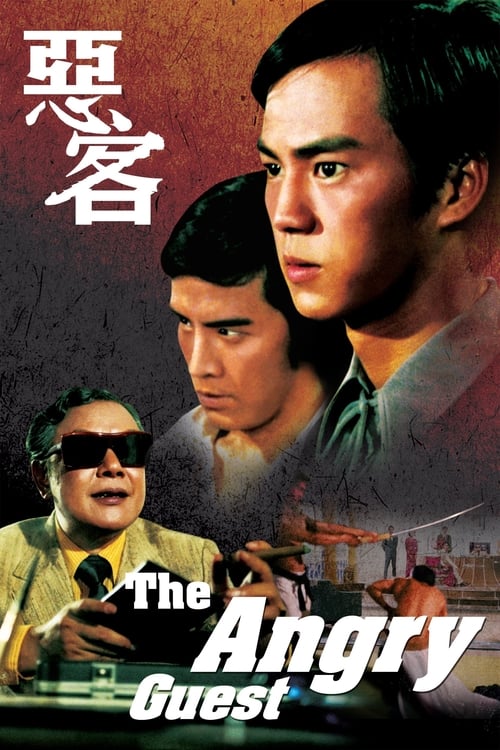
The Angry Guest is a direct sequel to Duel of Fists which had two long-separated brothers, Ti Lung and David Chiang, reuniting in Bangkok and running afoul of the local mob after Ti Lung, a boxer, beats the local favorite in the ring. In this film, the action shifts from Bangkok to Hong Kong to Japan and then back to HK as the brothers contend with a Japanese mob led by crime boss Yamaguchi, who is played by the film's director, Chang Cheh, in a rare screen appearance.
1972
1967
1975
1986
1969
1974
1974
2018
No reviews yet. Be the first to share your thoughts on this movie!
Use the rating form above to leave a star rating and optional review.