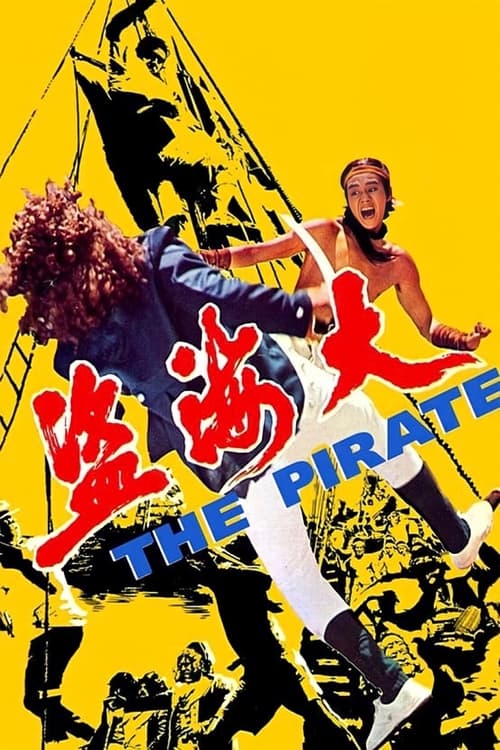
The Pirate
1973
No user ratings available yet
Representation score: 5.0 out of 10
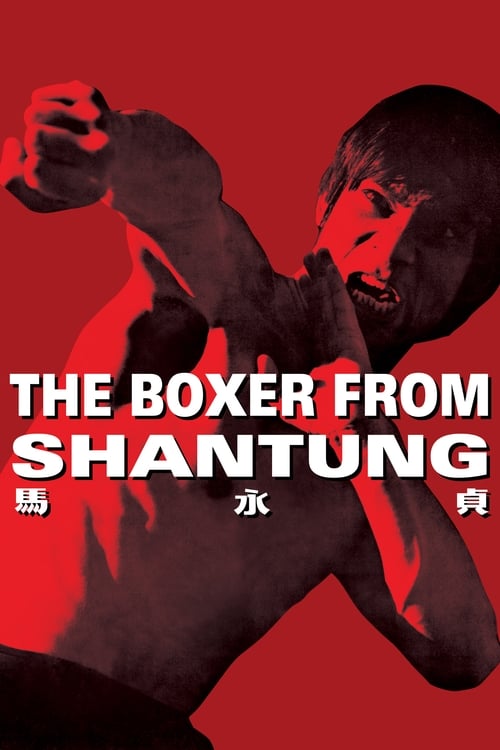
Representation Score
Fair
1972
UnratedDirector
Chang Cheh, Pao Hsueh-Li
Runtime
134 minutes
Average Rating
No ratings yetNew Showbiz Analysis
The Boxer from Shantung is a genre piece that prioritizes post-colonial critique over contemporary Western social standards. While it lacks diversity in terms of gender and LGBTQ+ identities, it excels in cultural representation by centering indigenous resistance against foreign imperialist influence. The film serves as a powerful challenge to Western-centric narratives. By framing the Boxer movement as a response to systemic corruption from foreign religious and political institutions, it offers a nuanced look at nationalist militancy. Ultimately, the film's value lies in its deconstruction of Western dominance. It prioritizes a culturally specific exploration of resistance against encroachment over traditional inclusivity.
Category Breakdown
The film adheres to a traditional masculine-focused framework typical of 1970s martial arts cinema. There is no clear representation of LGBTQ+ identities or same-sex relationships.
The story centers on male protagonists and their physical strength. Female characters are given secondary or supportive roles, reinforcing a male-dominated power structure.
The film explores indigenous identity through an almost exclusively Chinese cast. It challenges Western-centric hero clichés by emphasizing the ability to act of the colonized.
The story critically examines Western institutional influence, portraying religious and imperialist institutions as corrupt. It portrays the Boxer movement as a justified nationalist response.
Characters are generally portrayed as physically perfect and combat-ready. There is no meaningful exploration of neurodivergence or characters with disabilities having significant narrative impact.
Present on Screen
Limited or Absent
Official Synopsis
Leaving the poverty of his life in Shantung to seek fortune in Shanghai, The Boxer is instead drawn into a world of corruption, gang warfare and evil... Where his only protection is his famed fighting technique.
1973
2018
1972
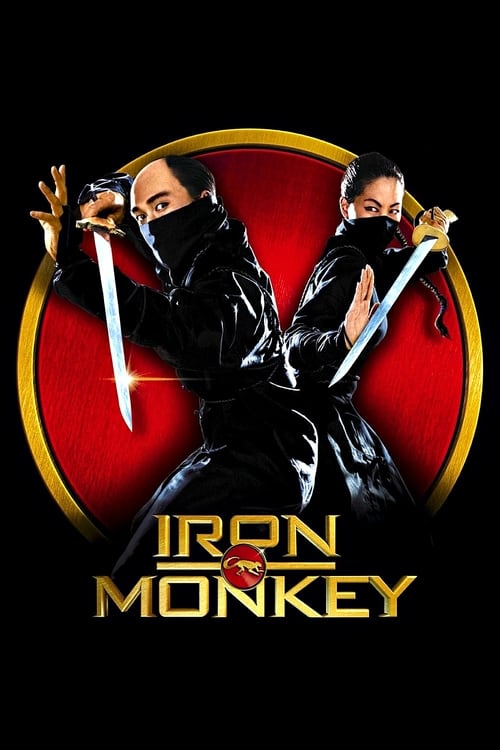
1993
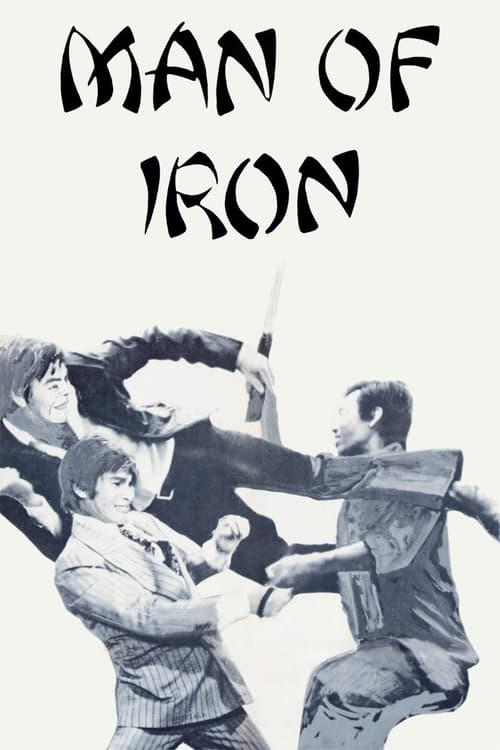
1972
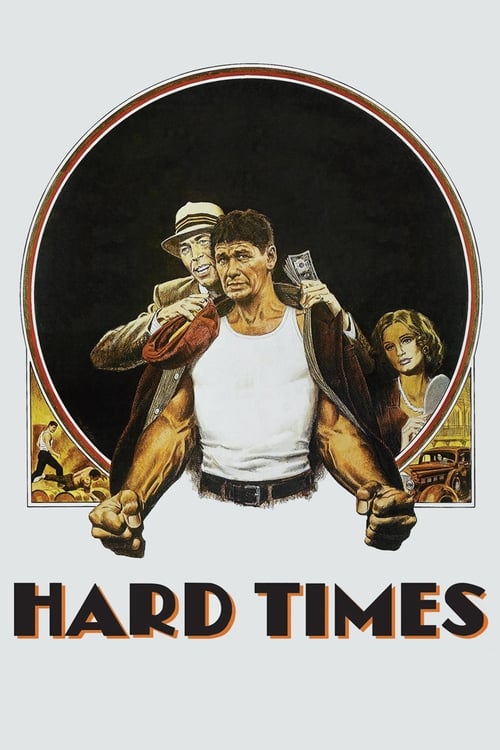
1975
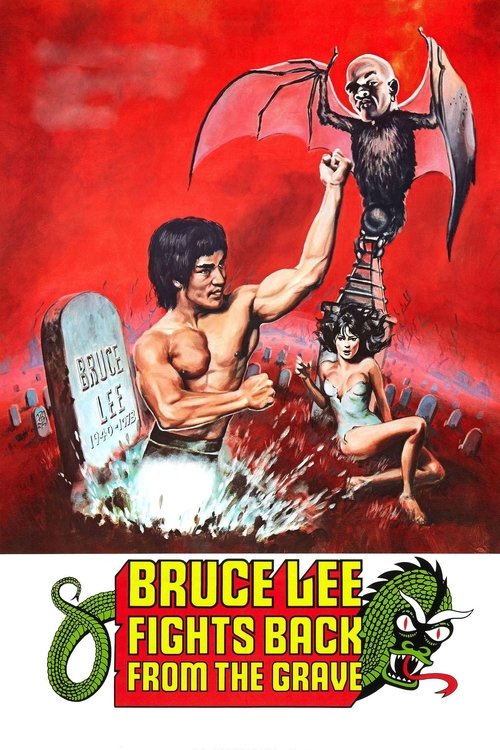
1976
2014
No reviews yet. Be the first to share your thoughts on this movie!
Use the rating form above to leave a star rating and optional review.